




What Exactly Is El Niño?
El Niño, which means "the Christ Child" in Spanish, is a climate phenomenon characterized by the unusual warming of sea surface temperatures in the central and eastern Pacific Ocean. This change might seem distant, but it triggers a cascade of atmospheric
effects that ripple across the globe. Normally, trade winds push warm water towards Asia, but during an El Niño year, these winds weaken. This shift alters global weather patterns and has a historically strong connection to the performance of the Indian monsoon. Forecasts indicate that El Niño conditions, which developed in May 2026, are likely to persist through February 2027 with a high probability.
The Monsoon Connection and Kharif Crop Risk
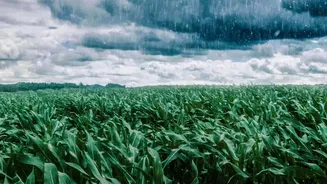
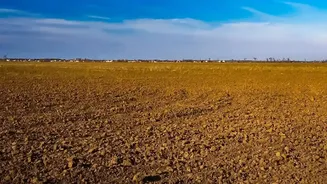
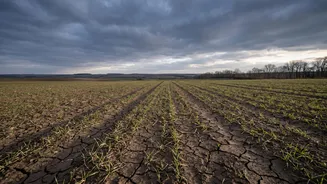
The Indian summer monsoon is the lifeblood of the country's agriculture, with nearly half of the net sown area dependent on rainfall. El Niño often weakens the monsoon winds, leading to delayed onset, reduced overall rainfall, and long dry spells. This poses the most immediate threat to Kharif (monsoon) crops, which are sown in June and July. Rain-fed crops like rice, maize, soybean, cotton, and various pulses are highly vulnerable. Historical data shows that in previous El Niño years, paddy and maize yields have declined by over 10% in dozens of districts. The timing of the rain is just as crucial as the amount; a delay can postpone sowing and shorten the growing season, while dry spells during critical flowering stages can severely reduce yields.
Which Regions and Crops Are Most Vulnerable?
The impact of a weak monsoon is not uniform across the country. States with lower irrigation coverage are naturally at higher risk. Analysis points to Maharashtra, Rajasthan, Karnataka, and Madhya Pradesh as particularly vulnerable. Key crops at risk in these states include jowar, tur, soybean, cotton, and bajra. While one might assume water-intensive crops like rice are always the most affected, this is not always the case. In regions with low irrigation, even less water-dependent crops like pulses and oilseeds suffer significantly from moisture stress. In response, government authorities have identified over 300 vulnerable districts and are activating contingency plans to manage the situation based on local rainfall patterns.
Beyond the Monsoon: Rabi and Economic Impacts
The consequences of a poor monsoon extend beyond the Kharif harvest. Deficient rainfall means lower water levels in reservoirs, which are critical for irrigating the subsequent Rabi (winter) crops like wheat and mustard. A weak monsoon can also lead to reduced rural incomes, suppress farm-related employment, and affect industries that rely on agricultural raw materials. Furthermore, a drop in the production of cereals, pulses, and vegetables can lead to a rise in food prices, impacting household budgets across the nation and contributing to broader economic inflation. The strengthening El Niño has also raised concerns about a warmer, more erratic winter, which could affect the wheat crop during its crucial grain-filling stage.
Strategies for a Resilient Harvest
While farmers cannot prevent El Niño, proactive planning can significantly mitigate its impact. Agricultural bodies and government agencies are issuing advisories urging farmers to adopt several strategies. These include prioritizing timely sowing as soon as adequate rain is received, opting for short-duration and drought-tolerant crop varieties, and implementing soil moisture conservation techniques. Other key measures involve careful weed and pest management, as stressed crops are more susceptible to attack, and preparing for supplemental irrigation where possible. At a larger level, governments are preparing seed buffers, promoting climate-resilient crops, and enhancing water management infrastructure to build resilience against a variable monsoon.