







The Regulator's New Rules
The Food Safety and Standards Authority of India (FSSAI) has taken a decisive stand: beverages with high caffeine content can no longer be marketed or labelled as 'energy drinks'. The regulator argues that since there is no official standard for such
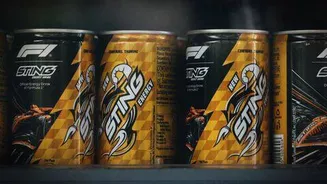
a product category under Indian food laws, the term is inherently misleading. Major brands like Red Bull, Monster, and PepsiCo's Sting have been given a 90-day window to comply. Instead of 'energy drink', these products must now be identified as 'caffeinated beverages'. This move is part of a broader push by the FSSAI to ensure food labels are accurate and do not make unsubstantiated claims. The regulator has also flagged marketing slogans that suggest the drinks can vitalise the body and mind or aid in general weakness, viewing them as impermissible therapeutic claims.
What 'Energy' Really Means
The core of the issue is the term 'energy' itself. From a scientific perspective, energy for the human body comes from calories. While these drinks contain sugar—a source of calories—the primary sensation of a 'boost' comes from caffeine, a stimulant. Health experts argue that marketing these drinks as sources of 'energy' creates a false perception of health and vitality. In reality, they are often a mix of carbonated water, high levels of sugar, caffeine, and other additives like taurine and B-vitamins. The FSSAI has set clear limits, capping caffeine content at 300 milligrams per litre and mandating warning labels for children, pregnant women, and people sensitive to caffeine. The new regulatory stance aims to force a semantic shift: these are not magical fuel sources, but simply caffeinated drinks.
The Public Health Concern
This labelling debate is deeply rooted in public health. Medical experts in India have increasingly warned about the risks associated with the rising consumption of these beverages, particularly among young people. Doctors report a surge in cases of liver dysfunction and non-alcoholic fatty liver disease (NAFLD) linked to the high sugar and additive content in these drinks. The combination of high caffeine and sugar can place significant stress on the liver and cardiovascular system. When consumed excessively or mixed with alcohol, the dangers are amplified because the stimulant effects of caffeine can mask the feeling of intoxication, leading to higher alcohol consumption. The aggressive marketing of these products to young consumers, who may not be fully aware of the risks, is a primary driver of the regulatory crackdown.
Industry Pushback and Consumer Confusion
The beverage industry has not welcomed the change. Major companies argued that banning the 'energy drink' label could damage brand reputations built over years and cause significant consumer confusion. In a letter to the FSSAI, the Indian Beverage Association expressed concerns that the move could disrupt business operations. Their stance is that consumers are familiar with the term and that removing it could make them think the product itself has changed. However, the FSSAI rejected these arguments, stating that consumer safety and transparency trumped brand concerns, and even suggested companies were free to challenge the decision in court. Despite initial protests, the companies have reportedly agreed to comply with the new rules.
The Case for a Deeper Review
Simply removing the word 'energy' is a crucial first step, but it also highlights the need for a more comprehensive review of how such products are marketed. The success of flashy advertising campaigns, which often depict these drinks giving users superhuman abilities, shows the power of marketing over nutritional information. This regulatory action is a case for looking beyond just one word and examining the entire ecosystem of marketing that surrounds processed foods and beverages. It forces a necessary question: should brands be allowed to use aspirational, and often scientifically baseless, names and slogans that directly contradict the health implications of their products? This isn't just about 'energy drinks' becoming 'caffeinated beverages'; it's about empowering consumers to make informed choices based on facts, not marketing-induced fantasy.