





Wayanad, Kerala
While Kerala is famous for its monsoon, the secret is to visit just as the season retreats. The period from late September to November is arguably the best time to see Wayanad. The landscape, still bursting with life from the preceding rains, is a vibrant
tapestry of paddy fields, spice plantations, and dense forests. The waterfalls are full, the air is fresh, and the weather is pleasant, with only occasional showers. This post-monsoon window allows for trekking, exploring the Edakkal Caves, and boating on Pookode Lake without the constant downpour that can disrupt plans during the peak wet season.
Shillong, Meghalaya
Known as the 'Scotland of the East', Shillong is a fantastic choice for green views. While its state, Meghalaya, is home to some of the wettest places on Earth, Shillong itself enjoys a more moderate climate, especially as the monsoon wanes. Visiting in September or October means you arrive when the landscape is spectacularly lush, but the rainfall has significantly decreased. The chance of a wet day drops considerably through September, giving way to clearer skies and pleasant temperatures perfect for exploring Umiam Lake or the cascading Elephant Falls, which are still magnificent post-monsoon.
Lonavala, Maharashtra
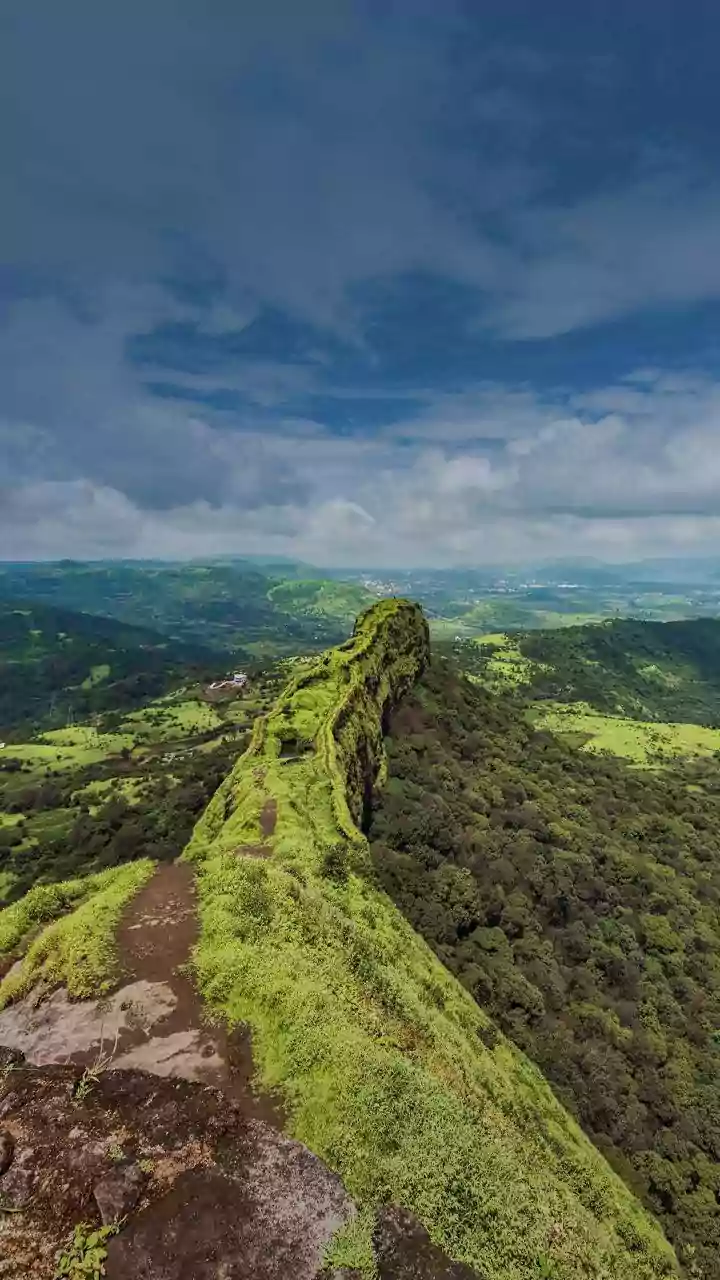
A beloved getaway for residents of Mumbai and Pune, Lonavala in the Western Ghats is at its most beautiful in the late monsoon. While drenched from June to August, the period from late August through September offers the perfect balance. The Sahyadri hills are carpeted in a vivid green, wildflowers are in bloom, and waterfalls like the Kune Falls are still impressive. The constant, heavy downpours have subsided, making it ideal for drives, visiting viewpoints like Tiger's Leap, and exploring the region’s historic forts without being completely washed out.
Valley of Flowers, Uttarakhand
This UNESCO World Heritage Site is a high-altitude Himalayan valley that transforms into a floral paradise during the monsoon. While peak bloom in July and August coincides with heavy rains, a visit in early September is often considered a sweet spot. By then, the crowds have thinned, the relentless rain has eased, and the skies are often clearer, revealing stunning mountain views. While some flowers are beginning to fade, many varieties are still in bloom against a backdrop of impossibly green meadows, offering a breathtaking trekking experience with more stable weather conditions.
Coonoor, Tamil Nadu
Nestled in the Nilgiri Mountains, Coonoor offers a gentler monsoon experience compared to the torrential rains of the Western Ghats. Its rolling hills, covered in immaculate tea plantations, are perpetually green and often shrouded in a light, romantic mist. The rainfall here is typically less intense, making it a wonderful year-round destination for greenery. The post-monsoon months of October and November are particularly pleasant, with crisp air, clear views, and the entire landscape looking refreshed and vibrant. It’s perfect for scenic walks through tea estates and visiting Sim's Park without the worry of a downpour.
Spiti Valley, Himachal Pradesh
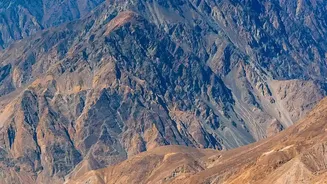
For a truly rain-free experience amidst stunning landscapes, Spiti Valley is an unparalleled choice. As a high-altitude cold desert, it lies in a rain-shadow region, meaning the Himalayas block the monsoon clouds from ever reaching it. While the rest of India is drenched, Spiti remains largely dry and sunny. During the months of July and August, the valley is at its greenest, with patches of lush vegetation creating a stark, beautiful contrast against the barren brown mountains. This is the ideal destination for those who want dramatic, open landscapes, ancient monasteries, and adventure without a single drop of monsoon rain.