




The Golden Rule of Sunlight
The headline says it all: kiwifruit vines are sun-worshippers. To thrive and produce fruit, they require a location that receives full sun, which translates to a minimum of six hours of direct, unfiltered sunlight each day. This energy is essential for
photosynthesis, which fuels the vine’s vigorous growth and, most importantly, the development and ripening of its fruit. A spot against a sunny, north-facing wall is often ideal, as it provides both ample light and protection from harsh winds. Insufficient sunlight will lead to lush foliage but very little to no fruit, a common point of frustration for aspiring growers.
Soil, Spacing, and Support
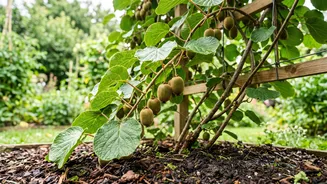
Beyond sunlight, the right foundation is crucial. Kiwi vines need deep, well-drained soil to prevent root rot, a common issue in waterlogged conditions. A loamy or sandy-loam soil rich in organic matter is ideal, with a slightly acidic pH between 5.0 and 6.5. Before planting, enrich the soil with plenty of compost or well-rotted manure. Because these are vigorous climbers that can grow over 15 feet long, spacing is key; plant vines at least 10 to 15 feet apart. From day one, you’ll also need a sturdy support structure. A strong T-bar trellis, pergola, or arbor made with heavy-gauge wire is essential to hold the weight of a mature, fruit-laden vine.
The Pollination Puzzle
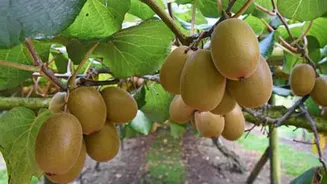
Here's a critical fact many new growers miss: most kiwifruit plants are dioecious, meaning you need separate male and female plants for fruit production. The female plants produce the fruit, but only if they are pollinated by a nearby male plant. For home gardens, one male vine can typically pollinate up to eight female vines. Plant them within 50 feet of each other to ensure bees and wind can effectively transfer pollen. If you have limited space, look for a self-fertile variety like 'Issai,' which is a hardy kiwi that can produce fruit without a separate male pollinator, though its fruits are smaller and smooth-skinned.
Watering and Feeding
Kiwi vines are thirsty, especially during the growing season and as fruits begin to swell. They have large leaves that lose a lot of water on sunny days. The goal is to keep the soil consistently moist but never soggy. Watering deeply a few times a week during dry spells is usually sufficient. A good layer of organic mulch will help retain soil moisture and suppress weeds. When it comes to feeding, kiwi roots can be sensitive to fertilizer burn, so it's best to be conservative. Apply a balanced fertilizer in early spring and again just after the plant has flowered to support healthy growth.
Pruning for Productivity
Left to its own devices, a kiwi vine will become a tangled, unproductive mess. Regular pruning is essential to manage its growth and maximize your harvest. Kiwis produce fruit on canes that grew in the previous season (one-year-old wood). Therefore, the primary goal of pruning is to continually renew this fruiting wood. There are two main pruning windows: a major prune in winter when the plant is dormant, and a lighter prune in summer. In winter, remove the canes that have already fruited and select strong new canes to take their place. In summer, trim back excessive vegetative growth to allow sunlight to reach the developing fruit and improve air circulation.