


The Garden Hack Hiding in Your Kitchen
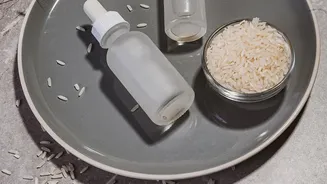
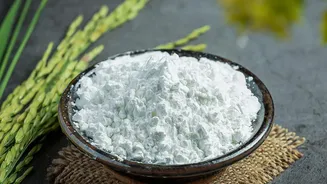
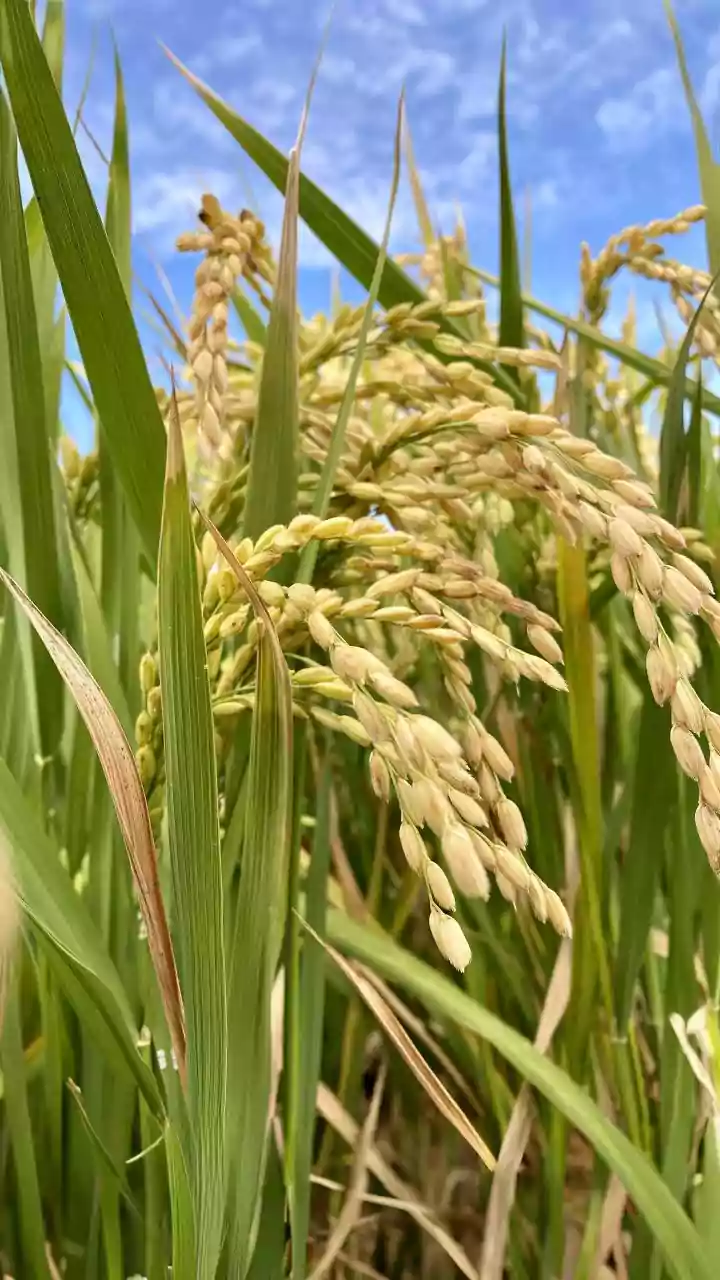
In a country where rice is a daily staple, the cloudy water left from rinsing grains is an abundant resource. For years, gardeners have repurposed this kitchen byproduct, believing it to be a gentle, natural fertiliser. Science backs this up to an extent;
the water that washes the starch off rice grains also picks up small amounts of nutrients like nitrogen, phosphorus, and potassium, as well as B vitamins and minerals. These are all beneficial for plant growth, supporting everything from leafy greens to root development. The core idea is simple and sustainable: instead of pouring this nutrient-rich liquid down the drain, you can redirect it to your houseplants and garden beds, turning kitchen waste into plant food.
The Problem with Undiluted Rice Water
The very thing that makes rice water cloudy—starch—is also its biggest risk when used improperly. When you pour undiluted or highly concentrated rice water onto your plants, the liquid evaporates and leaves behind a starchy residue. Over time, this can form a hard crust on the surface of the soil. This layer is problematic for several reasons. First, it can suffocate the soil, blocking oxygen and water from reaching the plant's roots, which can lead to root rot. Second, this starchy film creates a perfect breeding ground for unwanted visitors. It can attract pests like fungus gnats and ants, and encourage the growth of fuzzy white mould on the soil surface. While often harmless, this mould is a sign that the soil environment is unbalanced.
To Ferment or Not to Ferment?
You'll often hear gardeners advocating for fermented rice water, and for good reason. Letting your rice water sit for a few days (typically three to five) allows beneficial bacteria like lactobacillus to multiply. This fermentation process does two things: it makes the existing nutrients more bioavailable for plants to absorb, and it introduces helpful microbes to the soil. Studies have shown that fermented rice water is more potent than fresh, with some nutrient levels increasing significantly. However, fermentation also makes the water more acidic, which can harm certain plants if used too frequently or without dilution. In short, fermented rice water offers a bigger nutritional punch, but also carries a higher risk if not used correctly.
The Golden Rule: Dilution and Frequency
Whether you use fresh or fermented rice water, dilution is the key to preventing starch buildup and other issues. For fresh water from rinsing rice, a 1:1 ratio with plain water is a safe starting point, though some experts say it can be used undiluted if applied sparingly. For boiled or fermented rice water, which is more concentrated, dilution is non-negotiable. A ratio of at least 1 part rice water to 10 parts plain water is sometimes recommended, though a 1:1 dilution is also common for fermented preparations. How often you use it matters, too. Applying rice water should replace a regular watering, not add to it. A good rule of thumb is to use the diluted mixture no more than once every two to four weeks during the growing season. This provides a mild nutrient boost without overwhelming the soil.
Which Plants Benefit and When to Stop
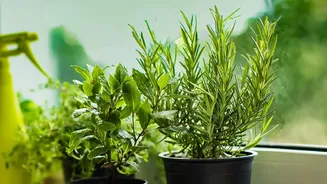
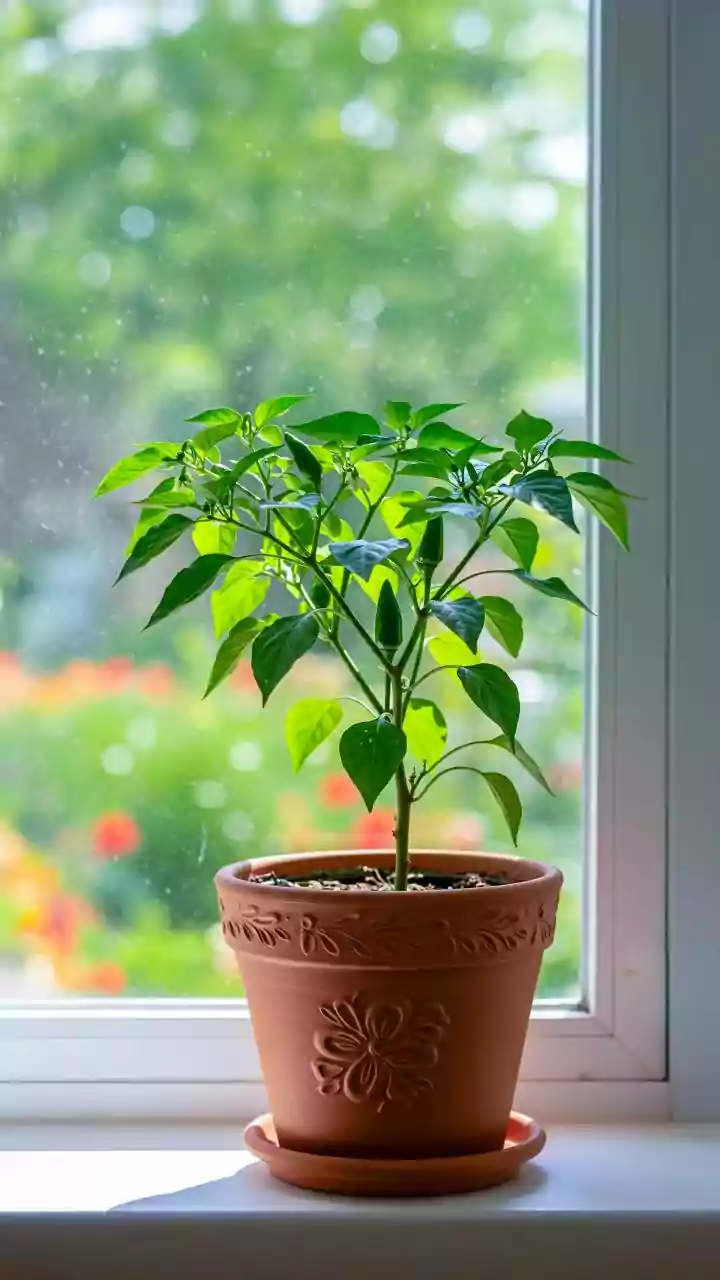
Most common houseplants and vegetables, like tomatoes, eggplants, and leafy greens, respond well to the gentle feeding that rice water provides. Acid-loving plants may particularly appreciate the slight drop in pH from fermented versions. However, it's not a one-size-fits-all solution. Plants that prefer dry, less-rich soil, such as succulents and desert roses, should be given rice water very sparingly. Always watch your plants for signs of trouble. If you notice yellowing leaves, a sour smell from the soil, an increase in pests, or a visible crust forming on the surface, it's time to stop and switch back to plain water. Remember, rice water is a supplement, not a replacement for a balanced fertiliser routine.