


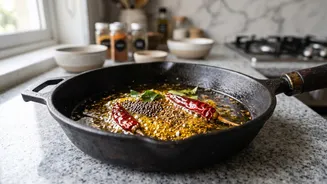
The Art and Science of Tadka
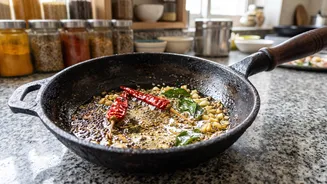
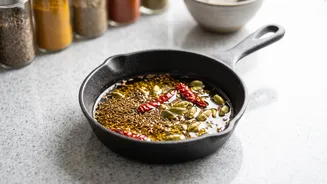
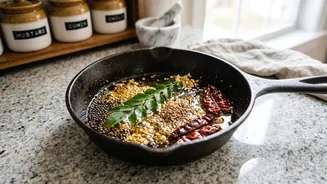
In kitchens across India, it is an essential daily ritual known as tadka, chaunk, or simply tempering. This technique involves briefly frying whole or ground spices in hot oil or ghee to build a foundation of flavour. The aromatic, infused fat is then
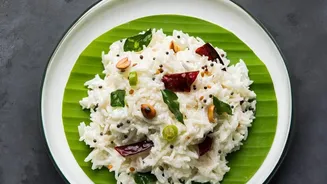
added to dishes like dal, curries, and vegetables, distributing its essence throughout every bite. While it may seem like a simple step, it is a controlled chemical reaction designed to extract and transform the flavour molecules within spices. Most of the key flavour compounds in spices are fat-soluble, not water-soluble. This means they cannot be fully released by simply adding them to a water-based curry or dal. It is the combination of heat and fat that unlocks their full potential.
Releasing Volatile Compounds
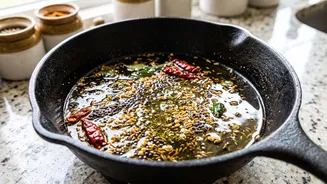
Spices owe their distinct aromas and tastes to volatile aromatic compounds, such as terpenes, aldehydes, and phenols. These compounds are locked within the tough cell walls of seeds, bark, and roots. When spices are introduced to hot oil, two crucial things happen. First, the heat works to break down these cell walls, allowing the essential oils to escape. Second, the fat acts as a solvent, dissolving these oil-soluble compounds and becoming a carrier for them. This process, often called 'blooming', makes the compounds more available and spreads them evenly, creating a more integrated and complex flavour profile than if the spices were added raw. The incredible fragrance that fills the kitchen is the smell of this science at work.
The Link to Metabolic Health
The benefits of blooming spices go beyond taste and aroma. Modern science is beginning to validate the long-held wisdom that this technique also enhances the nutritional properties of spices, particularly in ways that support metabolic health. Metabolic health refers to how well the body processes energy and is linked to factors like blood sugar, cholesterol, inflammation, and body weight. The volatile compounds released from spices during tadka are not just for flavour; many possess biological activities. Studies show that essential oils and active components in common spices can have anti-inflammatory and antioxidant properties, which are crucial for managing metabolic stress.
Key Spices and Their Benefits
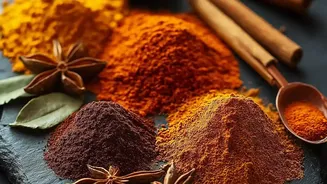
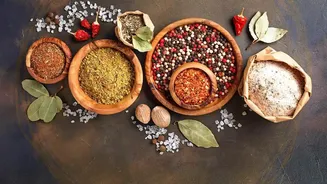
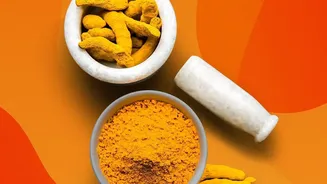
Several spices commonly used in tadka contain compounds linked to metabolic support. Turmeric contains curcumin, a powerful anti-inflammatory whose absorption is significantly increased when consumed with fat and heat. Cumin seeds, which release the aromatic compound cuminaldehyde, have been studied for their role in aiding digestion, managing blood sugar, and lowering cholesterol. Cinnamon contains cinnamaldehyde, which has shown potential in improving insulin sensitivity and reducing inflammation. Even black pepper, containing piperine, not only has its own benefits but also boosts the bioavailability of compounds like curcumin. Heating these spices in fat makes their beneficial compounds more readily available for the body to use.
Mastering the Technique
To get the most out of your spices, timing and temperature are key. The oil or ghee should be hot but not smoking. A good test is to drop in a single cumin seed; if it sizzles immediately, the oil is ready. Whole spices like mustard seeds or cumin seeds generally go in first and need about 30 to 60 seconds. You will know they are ready when mustard seeds start to pop or cumin seeds darken and become fragrant. Ground spices like turmeric or chili powder have more surface area and can burn quickly. They should be added towards the end, often after turning off the heat, and cooked for just 20-30 seconds before being added to the main dish. The goal is to toast the spices, not burn them, as burnt spices will impart a bitter taste.