
A Craving for Healthier Breads
The primary driver behind this trend is a collective shift towards healthier eating. As consumers become more health-conscious, the demand for baked goods that are nutritious without sacrificing taste is surging. Ancient Indian grains are perfectly positioned
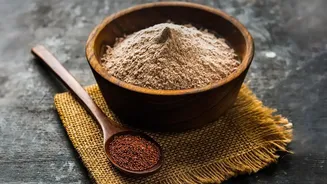
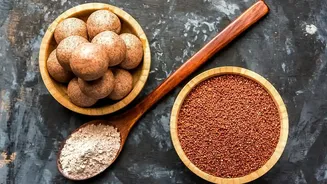
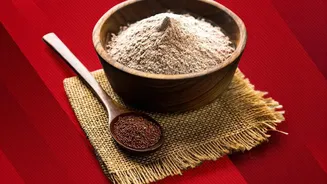
to meet this demand. Millets like bajra (pearl millet), jowar (sorghum), and ragi (finger millet), along with heritage wheat varieties like khapli (emmer), are nutritional powerhouses. These grains are naturally high in dietary fiber, which aids digestion and promotes a feeling of fullness. For many, breads made with these flours are also easier to digest. Khapli wheat, for instance, has a different gluten structure that is often better tolerated than modern, high-yield wheat. The slow fermentation process of sourdough further enhances this by making the nutrients in these grains more bioavailable and easier for the body to absorb.
A Renaissance of Flavour and Texture
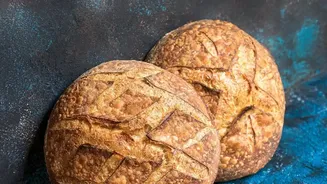
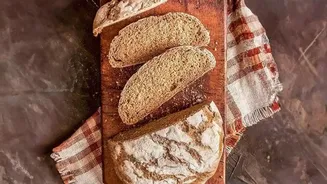
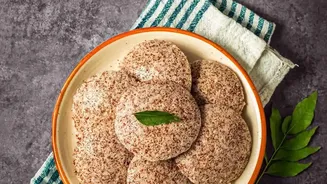
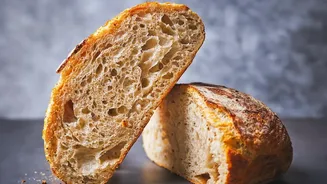
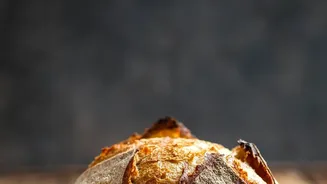
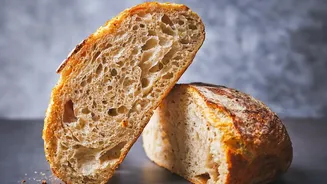
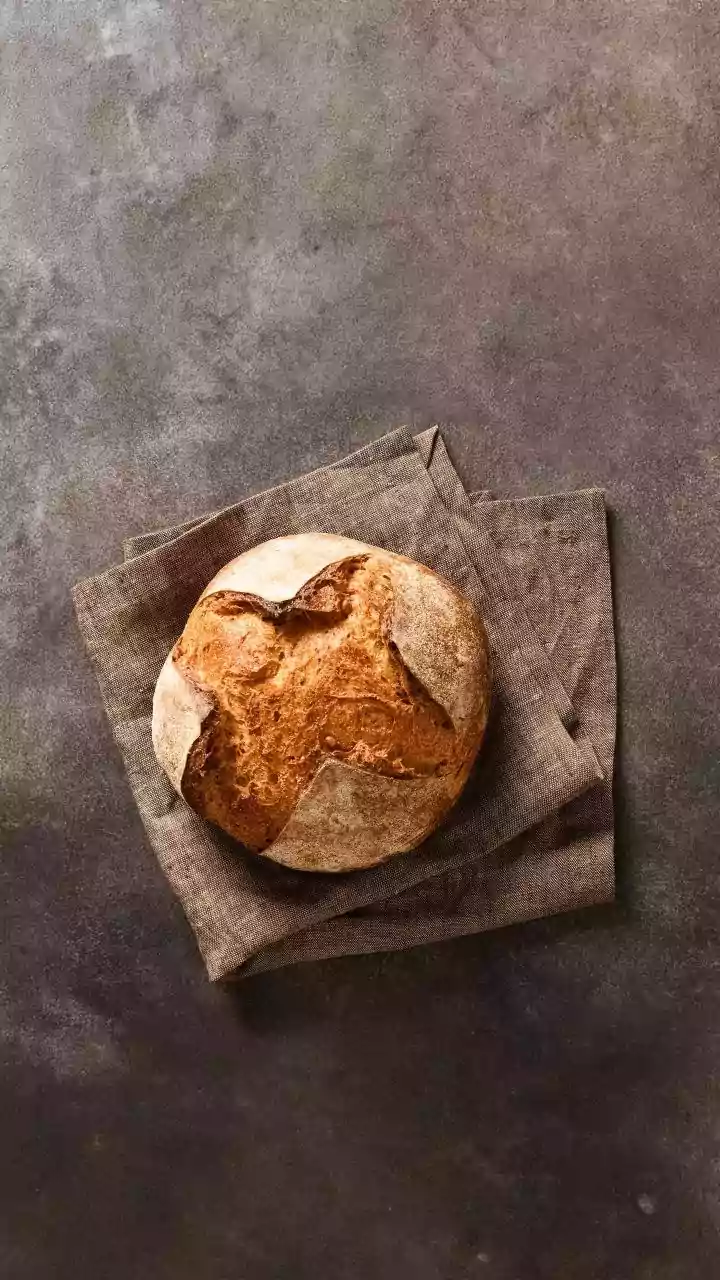
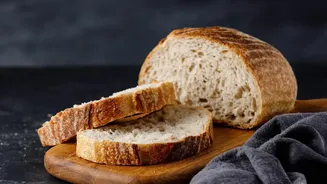
While health is a major draw, this movement is equally about taste. Bakers and food lovers are discovering that ancient grains introduce a wonderful complexity to sourdough's classic tangy profile. Khapli wheat imparts a distinctly nutty and earthy flavour, creating a loaf that is dense yet tender. Millets bring their own unique notes; ragi offers a deep, slightly malty taste, while others can add a subtle sweetness. This is a departure from the often one-dimensional flavour of breads made with highly processed white flour. The result is a loaf with character and a more interesting texture. This fusion of a global baking technique with local ingredients creates something that feels both innovative and deeply rooted in Indian culinary heritage.
Reviving Agricultural Heritage
The use of these grains is not just a culinary statement; it is a significant nod to India's agricultural biodiversity. For decades, many of these indigenous grains were overshadowed by the high-yield wheat and rice varieties of the Green Revolution. This new demand from artisan bakeries is helping to create a modern market for heirloom grains like Paigambari, a wheat variety that traces its origins to the Indus Valley Civilization. By choosing to bake with millets and heritage wheat, bakeries support farmers who cultivate these traditional crops, which are often more resilient and better suited to local climates. This trend, therefore, plays a small but important role in preserving agricultural heritage and promoting sustainable farming practices.
The Artisan Baker's New Challenge
Working with ancient grain flours is a testament to a baker's skill. Many of these flours, particularly millets, are gluten-free or low-gluten. This means they do not behave like standard wheat flour, making the dough stickier and the bread structure denser. Achieving a good rise and a satisfying crumb requires experimentation and a deep understanding of fermentation. Yet, this is a challenge that modern Indian bakers are enthusiastically embracing. They are developing new techniques and blends to showcase the unique properties of each grain, pushing the boundaries of their craft. This inventive spirit is transforming the sourdough scene from a borrowed trend into a uniquely Indian art form.