





The Rise of the Personal Sanctuary
Once, a home’s corners were afterthoughts—spaces for a stray pot plant or a forgotten piece of furniture. Today, they are becoming the main event. This shift is not just an interior design trend; it's a cultural response to our increasingly hectic lives.
The pandemic accelerated this change, blurring the lines between work and home and highlighting the need for a mental escape hatch within our own four walls. As remote work continues for many and urban life gets denser, the desire for a dedicated space to decompress, meditate, read, or simply ‘be’ has become a non-negotiable part of home design. This isn't about grand gestures but about intentionality—carving out a pocket of peace amidst the chaos.
What Defines a Calm Corner?
A calm corner is more than just a comfortable chair. It’s a curated space designed to soothe the mind and soul. Unlike a home office or a TV lounge, its primary function is not productivity or entertainment, but restoration. The goal is to create a multisensory experience that encourages mindfulness and disconnects you from daily stressors. It’s a physical manifestation of ‘me-time’. This space is deeply personal, reflecting the individual’s path to tranquility. For one person, it might be a corner for morning yoga; for another, a spot for evening chai and journaling. The common thread is its purpose: to be a deliberate retreat from the noise of the outside world.
Start with a Comfortable Foundation
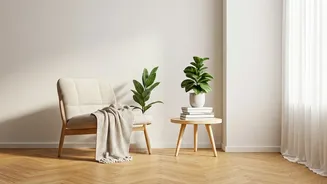
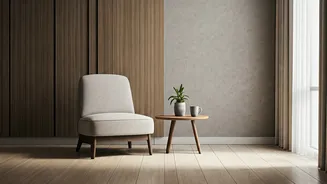
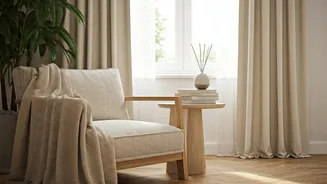
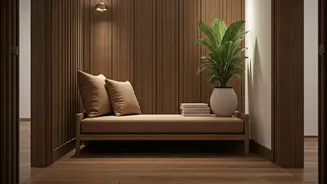
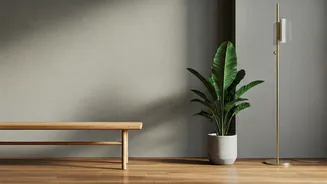
The heart of any calm corner is a place to sit comfortably. This doesn't require an expensive armchair. It could be a traditional Indian 'baithak' with plush floor cushions and bolsters, a simple wooden bench adorned with a soft throw, or a cosy wingback chair tucked away from high-traffic areas. The key is comfort and posture that allows for relaxation. Consider materials that feel good to the touch—natural cotton, soft wool, or smooth wood. The seating should invite you to linger, to put your phone down, and to settle into the present moment. A small side table or a stool is also essential for holding a cup of tea, a book, or a journal.
Layer with Light, Scent, and Sound
Engaging the senses is crucial for creating a truly immersive sanctuary. Harsh, overhead lighting is the enemy of calm. Instead, opt for soft, layered light. A floor lamp with a warm-toned bulb, a string of fairy lights, or even candlelight can create a serene ambience. Natural light is a bonus, so if your corner is near a window, use sheer curtains to diffuse the sunlight. Scent is another powerful tool. The familiar fragrance of jasmine, sandalwood incense, or a diffuser with essential oils like lavender or eucalyptus can instantly signal to your brain that it's time to relax. Finally, consider sound. This might mean silence, the gentle hum of a fan, a curated playlist of calming music, or a small tabletop fountain.
Incorporate Nature and Personal Totems
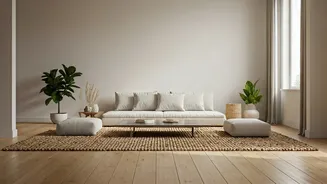
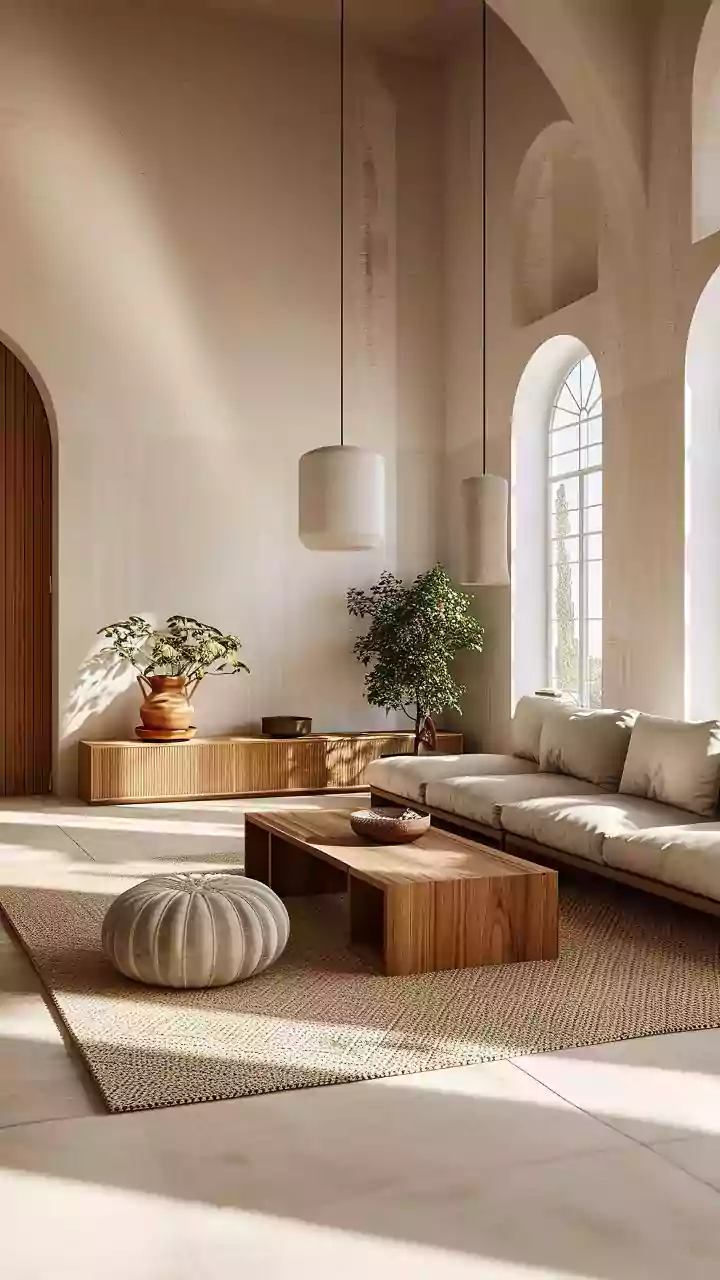
Biophilia—our innate connection to nature—is a cornerstone of wellness design. Bringing the outdoors in has a proven calming effect. A few low-maintenance indoor plants like a snake plant, money plant, or peace lily can purify the air and add a touch of life and colour. Natural materials also play a vital role. Think jute rugs, bamboo decor, terracotta pots, or stone coasters. Beyond nature, this space should be uniquely yours. This is not a showroom; it's a reflection of your inner world. Decorate it with objects that hold personal meaning: a favourite book, a piece of art that inspires you, a stack of family photos, or spiritual items like a small idol or prayer beads. The key is to keep it uncluttered—choose a few meaningful items over a collection of things.
No Corner? No Problem.
Living in a compact urban apartment or a bustling multi-generational family home doesn't exclude you from this trend. A calm corner can be created anywhere with a little creativity. It can be a small section of a balcony, a clear patch of floor space designated by a rug, or even a section of your bed propped up with pillows. The 'corner' is more of a concept than a literal architectural feature. Use screens, curtains, or even a tall plant to visually separate the space. The act of creating this boundary, no matter how small, sends a powerful signal to both yourself and others that this is a zone for quiet contemplation.