






A New Definition of Fitness
In a world dominated by high-intensity interval training (HIIT) and competitive fitness goals, a quieter revolution is taking place on the yoga mat. Young adults, from college students to early-career professionals, are increasingly drawn to yoga practices
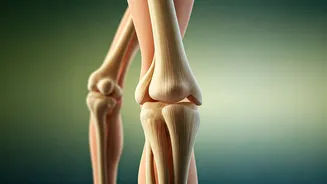
traditionally associated with older demographics. The theme of ‘healthy ageing’ is no longer seen as a distant concern but as an immediate, proactive strategy. This isn't about a fear of getting old; it's about a desire to stay functional, mobile, and pain-free for as long as possible. The focus is shifting from short-term aesthetic goals, like building abs, to long-term wellness goals, like preserving joint cartilage and maintaining a full range of motion.
What is 'Healthy Ageing' Yoga?
Unlike the fast-paced flows of Vinyasa or the muscle-sculpting intensity of Power Yoga, a practice centred on healthy ageing prioritises stability, mobility, and gentle strength. The movements are deliberate and mindful. The goal isn't to push into the deepest possible stretch but to explore the body’s current range of motion safely and effectively. Poses are often held for shorter durations or flow together in sequences designed to lubricate the joints—particularly the hips, shoulders, and spine. This style of yoga emphasizes alignment and the use of props like blocks and bolsters to support the body, ensuring that the benefits are accessible to everyone, regardless of their initial flexibility. It’s a practice of kindness to the body, built on the principle of sustainability.
The 'Pre-habilitation' Mindset
One of the key drivers behind this trend is the concept of 'pre-habilitation'—the idea of preventing injuries before they happen. Today’s youth are more informed than ever about the long-term consequences of both a sedentary lifestyle and improper exercise. Hours spent hunched over laptops and smartphones lead to stiff necks and tight hips, while weekend sports or intense gym sessions can strain unprepared joints. Yoga for healthy ageing acts as the perfect antidote. It systematically addresses these modern-day physical stresses by strengthening the small stabiliser muscles around joints, improving posture, and promoting balanced muscle development. It's an investment in their future selves, ensuring that they can remain active and enjoy their hobbies without being sidelined by chronic pain or injury down the line.
Poses That Protect Your Joints
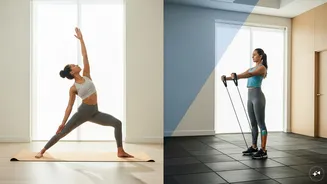
This practice focuses on foundational poses that offer maximum benefit with minimal risk. Think of Marjaryasana-Bitilasana (Cat-Cow Pose), which gently mobilizes the entire spine, releasing tension from the neck to the tailbone. Adho Mukha Svanasana (Downward-Facing Dog) is another staple, as it lengthens the hamstrings and calves while strengthening the shoulders and wrists. Poses like Virabhadrasana II (Warrior II) are excellent for building stability in the hips and knees. The key is the approach: moving slowly, breathing deeply, and listening to the body’s signals rather than forcing a particular shape. These movements increase the production of synovial fluid, the body’s natural lubricant for joints, keeping them supple and healthy.
Beyond the Physical Benefits
The appeal isn't purely physical. The mindful, slower pace of healthy ageing yoga offers a powerful tool for managing the mental and emotional pressures faced by young adults today. In an always-on digital culture, the deliberate focus on breath and body provides a much-needed mental reset. This practice cultivates patience and self-awareness, teaching practitioners to work with their bodies instead of against them. It reduces cortisol levels, eases anxiety, and improves focus. For many young people, the yoga mat has become a sanctuary—a place to disconnect from external pressures and reconnect with themselves, building not just a resilient body but also a resilient mind.