




Plan Before You Purchase
The most effective way to combat food waste begins before you even step into a store. Taking a quick inventory of your pantry, fridge, and freezer is a crucial first step. Knowing what you already have prevents you from buying duplicates that are likely
to spoil. Once you have a clear picture, plan a few meals for the week. This doesn't need to be a rigid, hour-by-hour schedule. Instead, think in themes like 'pasta night' or 'leftovers day' to give yourself a flexible framework. This approach allows you to build a shopping list based on actual needs, not just cravings or impulse buys. Planning meals that build on one another is another savvy strategy; a roast chicken one night can become chicken sandwich filling the next.
Master the Art of Storage
How you store your food is just as important as how you buy it. Simple changes can dramatically extend the life of your groceries. First, ensure your refrigerator is set to 40°F or below. Store highly perishable items like milk and meat on a middle or bottom shelf where the temperature is coldest and most consistent, not in the door. When it comes to produce, moisture is often the enemy. Avoid washing fruits and vegetables until you're ready to use them, as dampness encourages mould growth. For leafy greens like lettuce and celery, wrapping them in foil can keep them crisp for weeks. Similarly, treating soft herbs like a bouquet of flowers—stems in a jar of water—can keep them fresh on your counter or in the fridge.
Decode the Date Labels
Confusion over date labels is a major contributor to premature food disposal. It’s vital to understand what they actually mean. The 'Sell-By' date is for retailers to manage inventory and is not a safety deadline for consumers. Food is often perfectly safe to eat for several days past this date. The 'Best-By' or 'Best if Used By' date refers to peak quality—flavour and texture. A product past this date might be slightly stale but is typically still safe to consume. The 'Use-By' date is the one to take most seriously, especially for perishable items like meat and dairy. It represents the manufacturer's assessment of the last date for peak safety and quality. Outside of infant formula, these dates are generally not federally regulated for safety, so use your senses; if it looks, smells, or feels off, it's best to discard it.
Implement an 'Eat Me First' System
A simple but brilliant trick is to create an 'Eat Me First' bin or shelf in your refrigerator. This is a designated spot for items that are approaching their expiry date or produce that needs to be used up quickly. Place yogurts, leftovers, opened sauces, and produce that's starting to look a little sad in this zone. It acts as a visual cue for everyone in the household, making it easy to grab a snack or meal ingredient that should be prioritised. This strategy takes the guesswork out of what to eat next and helps ensure that older items are consumed before new ones, following the 'First-In, First-Out' principle that retailers use.
Embrace the Freezer and Revive Your Scraps
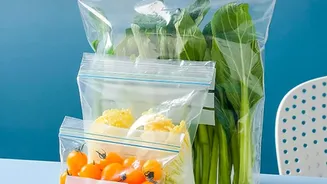
Your freezer is a powerful tool for pressing the pause button on food. You can freeze an astonishing variety of items before they spoil, from bread slices and shredded cheese to leftover pasta sauce and cooked rice. If you have herbs you won't use in time, chop them and freeze them in ice cube trays with a little water or oil for future use. For vegetables that are slightly wilted but not yet spoiled, don't discard them. Limp carrots, celery, and bell peppers can be revived in a bowl of ice water or chopped and used as a base for soups, stocks, and sauces. Stale bread can become croutons or breadcrumbs. By thinking creatively, you can give many items a second life instead of sending them to the bin.