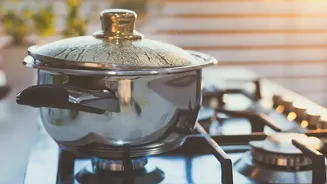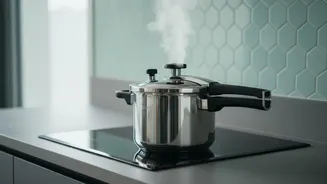







The Science of a Sealed Pot
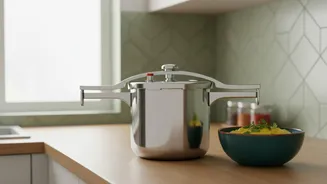
To understand the danger, you first have to appreciate the physics. A pressure cooker works by trapping steam. As you heat the liquid inside, the steam has nowhere to go, which dramatically increases the pressure within the pot. This high-pressure environment
raises the boiling point of water well above 100°C, sometimes up to 121°C. This superheated steam cooks food in a fraction of the time. But it also means the pot contains an immense amount of stored energy. Think of it not just as a cooking vessel, but as a contained, high-pressure system that demands respect. If that pressure is released suddenly and uncontrollably, the results can be violent.
An Explosion of Scalding Food
Forcing the lid open before the pressure has normalized is like uncorking a geyser of boiling-hot food. When the pressure is suddenly released, the liquid inside instantly and violently boils and expands, creating an explosion of steam and contents. This isn't just a bit of messy splatter; it's a powerful eruption that can launch the lid across the room and spray scalding food and liquid onto anyone nearby. This leads to the most common and severe injuries associated with pressure cookers: devastating thermal burns. Victims often suffer second and third-degree burns on their hands, arms, chest, and face, which can require hospitalization, skin grafts, and leave permanent scars.
Trust the Safety Features
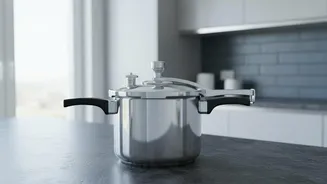
Modern pressure cookers are designed with multiple safety mechanisms to prevent these kinds of accidents. These include locking lids that should be impossible to open while the pot is pressurized, as well as primary and backup safety valves designed to release excess steam. However, these locks are a warning, not a challenge. If the lid feels stuck or won't turn easily, it means there is still pressure inside. Attempting to pry it open with tools or excessive force can bypass these safety features and lead directly to an explosive depressurization. User error, specifically trying to open the lid prematurely, is a leading cause of pressure cooker injuries.
The Safe Method: Natural Pressure Release
The safest way to depressurize your cooker is the 'natural release' method. It’s also the easiest: simply turn off the heat and let the cooker sit. The pressure will slowly dissipate on its own. This can take anywhere from 10 to 30 minutes, depending on how full the cooker is. You'll know it's safe to open when the float valve, a small metal pin, drops down completely. This method is ideal for foods that benefit from a continued, gentle cook time, like meats, broths, and legumes, as it helps keep them tender.
When You're in a Hurry: Quick Release Methods
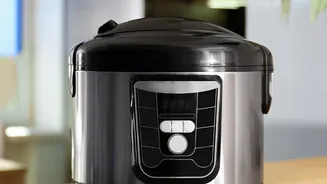
For foods that you want to stop cooking immediately, like vegetables, you can use a 'quick release'. This involves carefully turning the steam release valve on the lid to the 'venting' position, which lets the built-up steam escape rapidly. Always keep your hands and face away from the valve, as the jet of steam is extremely hot. Another option for stovetop models (but never electric ones) is the cold water release, where you run cool tap water over the lid until the pressure indicator drops. Whichever quick method you use, never attempt to open the lid until the float valve has fully dropped.