


The Fabric Revolution
The single biggest change in modern monsoon wear is the fabric. For years, heavy cotton that stays damp for hours was the default. Today, the focus has shifted to lightweight, quick-drying materials that can handle humidity and sudden showers. Synthetic
blends, particularly polyester-cotton mixes, are now go-to choices because they dry fast and maintain their shape when wet. Even classic fabrics are getting an upgrade; specially treated cotton offers water resistance while retaining its natural comfort. Linen, once considered a poor choice for rain, is making a comeback because it dries surprisingly quickly and doesn't trap odour. For those facing a serious downpour during their commute, high-performance technical fabrics like Nylon, Gore-Tex, and other polyester blends offer superior waterproofing without the bulk of old-school raincoats.
Outerwear Gets an Upgrade
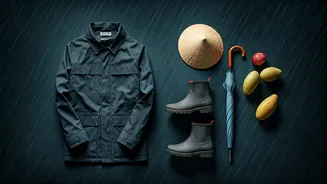
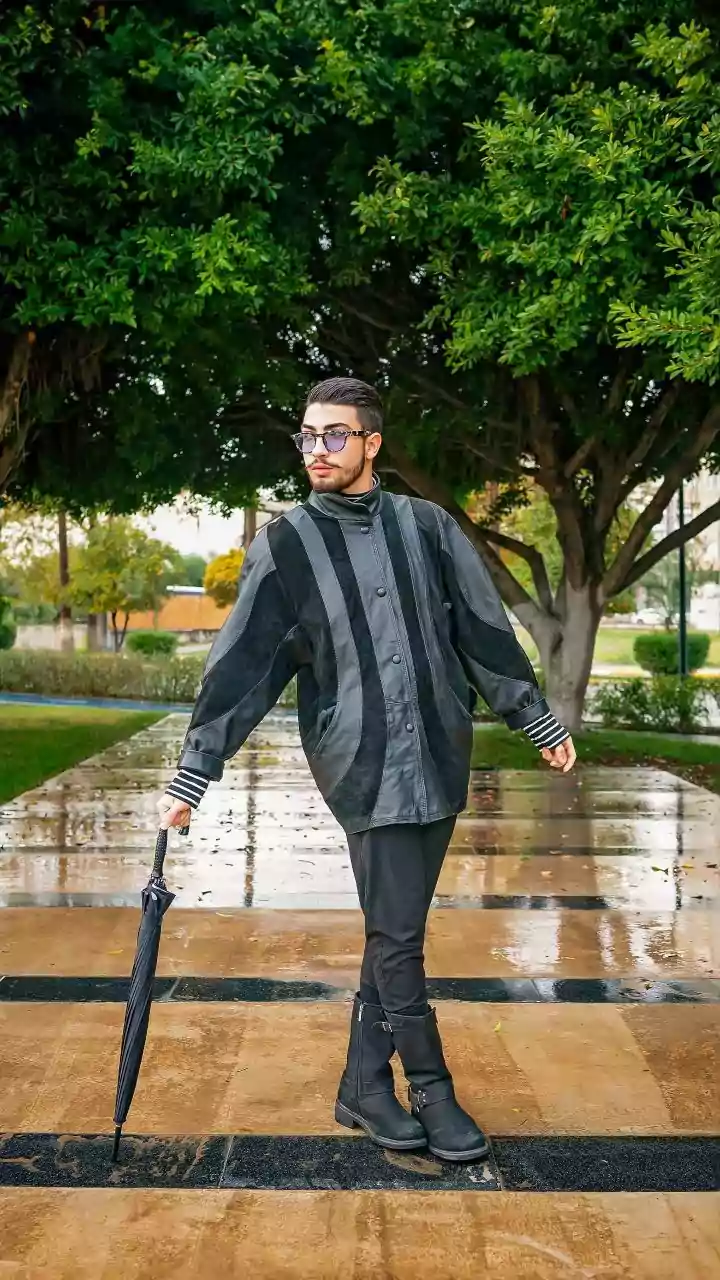
The humble windcheater has finally been dethroned. The new wave of monsoon outerwear is all about versatile, lightweight layers that add style instead of just covering up. Technical jackets with a boxy fit and drawstring details are trending, offering a contemporary edge that pairs well with both casual and semi-formal looks. Another key piece is the 'shacket'—a hybrid of a shirt and a jacket. Made from water-resistant cotton or nylon blends in neutral colours like olive and navy, it’s the perfect layer for unpredictable weather. Even trench coats, once deemed too formal, are being reimagined in sleek, waterproof materials that work just as well over a suit as they do with a saree, protecting your entire outfit.
Beyond Shorts and Soggy Jeans
While shorts remain a practical staple, the options for trousers have expanded significantly. Heavy denim that becomes stiff and uncomfortable when wet is being replaced by relaxed-fit jeans, often with a bit of stretch for better movement and water repellency. Dark wash denim is particularly popular as it effectively hides mud and water splashes. For a smarter look, slim-fit chinos in dark shades like navy, charcoal, or olive are an excellent choice. Many brands are now offering trousers and cargo pants made from quick-dry technical fabrics, bridging the gap between athleisure and everyday wear to provide comfort without looking sloppy.
Footwear That’s Both Smart and Safe
Footwear is arguably the most critical part of a monsoon wardrobe, and the choices are more stylish than ever. Flimsy rubber flip-flops are out, replaced by thoughtfully designed alternatives. Waterproof sandals and slides made from EVA or rubber offer anti-slip soles and quick-drying properties, perfect for heavy rain days. For those who prefer closed shoes, options now include quick-dry sneakers and waterproof loafers that protect your feet without sacrificing a polished look. These modern designs often feature cushioned insoles and breathable linings for all-day comfort, ensuring that you can navigate waterlogged streets with a secure and stylish footing. The key is to avoid materials like canvas and suede, which absorb water and can be easily ruined.
A Brighter, Smarter Colour Palette
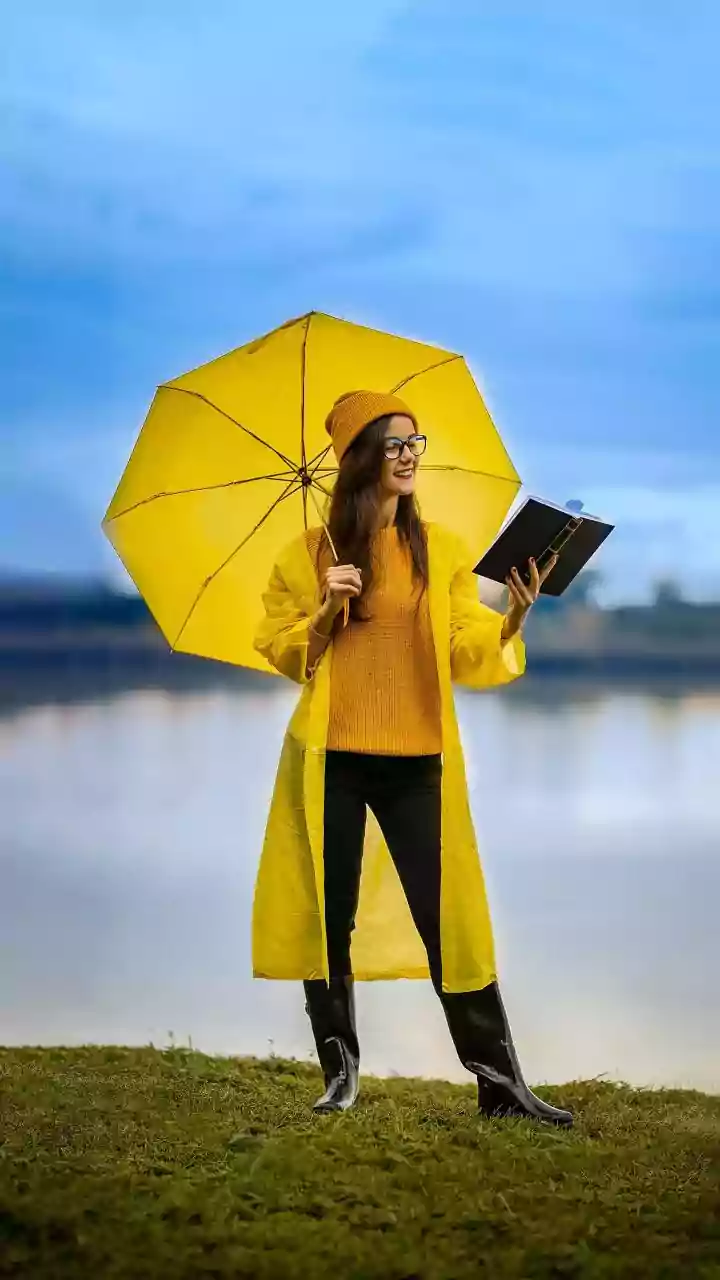
Traditionally, monsoon fashion meant sticking to dark colours to hide stains. While dark hues like navy, charcoal, and black remain practical and popular, the modern approach also embraces colour. Busy prints, such as floral or geometric patterns, are excellent for camouflaging water spots and adding personality to an otherwise gloomy day. On the other end of the spectrum, some style guides suggest embracing lighter pastel and earthy tones like mint green and sand beige, which don't show rain spots as prominently as stark white. The key is to be strategic; pairing a light-coloured shirt with dark trousers creates a balanced and practical look.