



Think Up, Not Out: Embrace Vertical Space
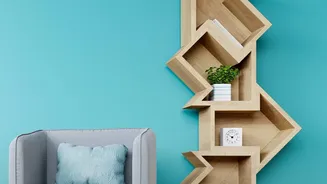
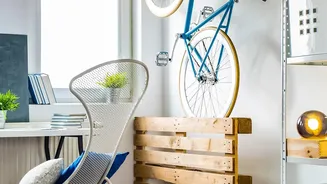
When floor space is a premium, the only way to go is up. Urban Indian apartments often have generous ceiling heights that are underutilised. Instead of buying another bulky cabinet that eats up floor area, draw the eye upward with vertical storage. Floating
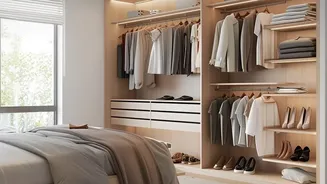
shelves are perfect for displaying books and decor without visual weight. Consider installing tall, narrow bookshelves that stretch towards the ceiling, which not only provides ample storage but also makes the room feel taller. For a truly transformative solution, a 'perimeter shelf' running high along the walls, about 30-40cm below the ceiling, creates a mini-loft for items you don't need daily. Storing seasonal items or extra bedding in identical, neat boxes on these high shelves keeps clutter out of your immediate sightline, making the room feel open and airy.
Furniture That Works Overtime
In a small home, every piece of furniture should earn its keep. Multi-functional furniture is your secret weapon against clutter. A sofa-cum-bed is a classic choice for a reason, perfect for accommodating guests without needing a separate guest room. Modern versions often come with built-in storage, adding another layer of utility. Ottomans that open up to reveal hidden storage are ideal for stashing away blankets, magazines, or children's toys while doubling as extra seating or a coffee table. Similarly, a hydraulic storage bed allows you to lift the entire mattress base to access a huge, dust-free space for bulky items like razais and suitcases, effectively replacing an extra cupboard. For your workspace, a wall-mounted foldable desk can be neatly tucked away after office hours, instantly returning the space to your living area.
Master the Art of Hidden Storage
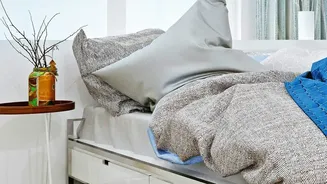
Some of the best storage spots are the ones you don't see. The space under your bed is prime real estate that often goes to waste. Instead of letting dust bunnies gather, use shallow rolling bins or vacuum-sealed bags to store off-season clothing, extra linens, and shoes. This keeps items organised and protected from dust and moisture, a common issue in humid climates. Another often-ignored area is the back of your doors. An over-the-door organiser with multiple pockets can hold everything from shoes and accessories to cleaning supplies and toiletries, taking up zero floor space. In the kitchen, slim pull-out racks that fit into narrow gaps next to the fridge or cabinets can be a game-changer for storing spices, oils, and jars.
Adopt a Minimalist Mindset
Creating a sanctuary isn't just about buying smart furniture; it's about changing your relationship with your belongings. The core principle of minimalism is 'less is more'. Start by decluttering with a simple rule: if you haven't used an item in the last year, it's time to let it go. Donating, selling, or recycling items you no longer need is the first step to reclaiming your space. To maintain this, adopt the 'one-in, one-out' policy. For every new item you bring into your home, an old one must leave. This prevents the slow accumulation of clutter. Making decluttering a regular habit, rather than a massive annual task, is key. Spend just 15 minutes each evening clearing surfaces to maintain a sense of order and calm.
Organise with Intention and Style
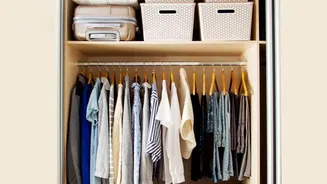
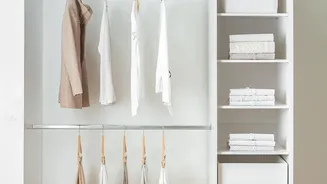
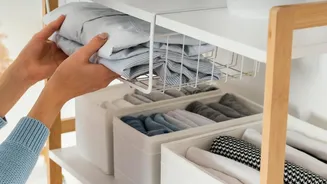
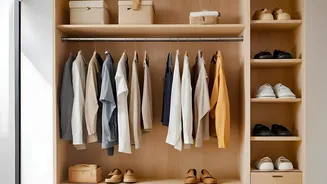
Once you've decluttered, the final step is to organise what remains in a way that is both functional and beautiful. Use baskets and stylish bins to group similar items together. This not only looks neat but also makes it easier to find what you need. In the kitchen, use shelf risers inside cabinets to double your storage space for plates and bowls. In your wardrobe, vertical shelf dividers can prevent stacks of clothes from toppling over. Using clear, stackable containers for pantry items or craft supplies allows you to see what you have at a glance, preventing you from buying duplicates. The goal is to create a system where every item has a designated home, making tidying up a quick and effortless process.