





From Afterthought to Asset
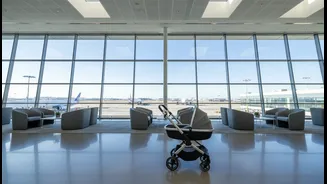
For years, the needs of traveling families were often an overlooked aspect of airport design. Parents were left to juggle luggage, strollers, and energetic kids in crowded gate areas not built for comfort. Any amenities for children were frequently minimal
and uninspired. Today, that is changing dramatically. Airports are waking up to the reality that families are a significant and valuable group of passengers. This shift is turning family needs from a secondary concern into a primary design consideration. It's a move driven by a desire for better customer service and a sound economic strategy that sees improved passenger satisfaction as a key goal.
Designing for Delight, Not Just Delay
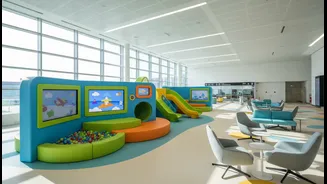
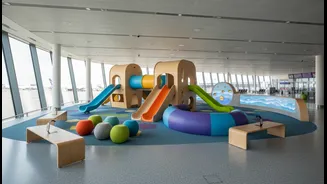
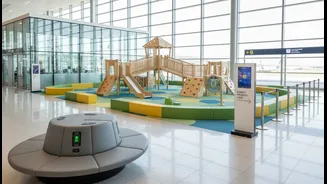
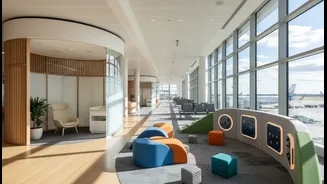
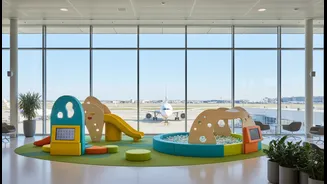
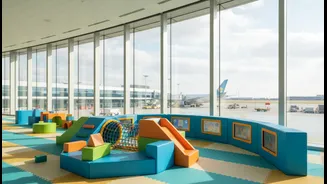
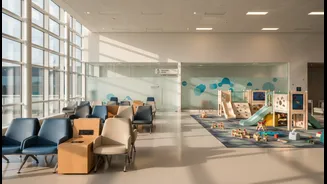
The new generation of family spaces goes far beyond a simple plastic slide in a forgotten corner. Modern airport play areas are designed to be engaging, safe, and a genuine oasis for both kids and parents. These aren't just playpens; they are thoughtfully designed zones that can include soft-climb structures, interactive digital games, and even aviation-themed exhibits that allow kids to explore a mock cockpit or control tower. For parents with infants, the improvements are equally profound. Airports are now widely featuring dedicated nursing rooms and private lactation pods, complete with comfortable seating, sinks, and changing stations. Some airports are also adding sensory rooms to provide a calm, quiet environment for neurodivergent travelers who may find the bustling terminal overwhelming.
Indian Airports Lead the Way
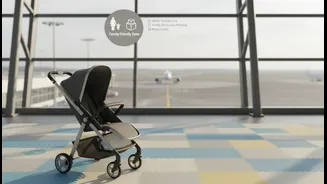
This global trend has strong roots in India, with several major hubs earning international praise for their family-friendly facilities. In a July 2026 ranking, both Kempegowda International Airport in Bengaluru and Rajiv Gandhi International Airport in Hyderabad were named among the world's top five most family-friendly airports. Hyderabad Airport, which ranked fourth globally, offers a comprehensive suite of services including dedicated kids' play areas, family rooms, complimentary baby strollers, and even therapy dogs to ease travel anxiety. Similarly, Bengaluru Airport has invested in play zones, extensive baby care facilities, and family-friendly lounges. Airports in Delhi and Mumbai also feature dedicated zones for children, acknowledging the importance of keeping young travelers engaged.
A Win-Win for Passengers and Airports
The investment in family spaces provides a clear return for airports. Providing a safe and engaging outlet for children's energy dramatically reduces stress for parents. This creates a calmer atmosphere throughout the terminal, which benefits all passengers. Happier families are also more likely to spend more time—and money—in airport shops and restaurants. When children are entertained, parents can relax, browse, and dine, turning layover time into a more pleasant and commercially active period. This approach enhances the airport's reputation, boosts passenger satisfaction scores, and fosters loyalty, encouraging families to choose airports that cater to their needs.