


What Exactly Is a Meteor Shower?
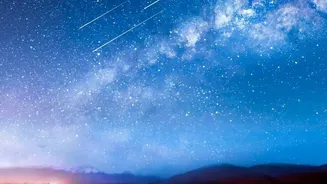
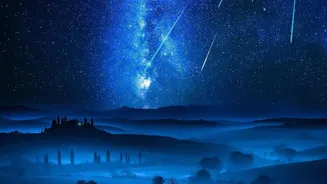
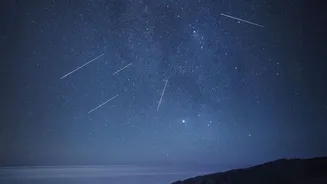
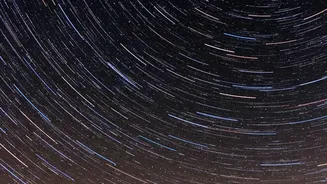
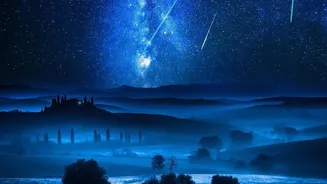
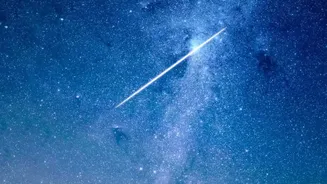
A meteor shower is a celestial event where numerous meteors appear to originate from one point in the night sky. These 'shooting stars' aren't stars at all; they are tiny particles of space debris, often no bigger than a grain of sand, left behind by
comets. As Earth orbits the Sun, it passes through these debris trails. When the particles enter our atmosphere at high speed, they burn up, creating the brilliant streaks of light we see. The two most famous showers for Indian skywatchers are the Perseids in August and the Orionids in October.
August's Spectacle: The Perseids
The Perseid meteor shower, which peaked on the night of August 12-13, 2026, was one of the best celestial events of the year. This was because its peak coincided with a new moon, providing exceptionally dark skies free from lunar glare. The Perseids are caused by debris from Comet Swift-Tuttle. Under ideal conditions, this shower can produce up to 100 meteors per hour, though viewers in rural areas typically see between 30 and 50. The best viewing window was in the pre-dawn hours, when the radiant point in the constellation Perseus was high in the northeastern sky. If you missed it, don't worry—another fantastic opportunity is just around the corner.
Coming Soon: The Orionids in October
The upcoming Orionid meteor shower is special because its particles come from the famous Halley's Comet. This shower will be active from early October to early November, but the best time to watch will be during its peak on the nights of October 21-22, 2026. While not as prolific as the Perseids, the Orionids can still offer about 15 to 25 fast-moving meteors per hour under perfect conditions. This year, there will be a bright waxing gibbous moon during the peak. However, there is a key window for viewing: the moon will set a few hours before dawn, leaving the sky dark for optimal meteor spotting. Plan to watch between 3 a.m. and the start of morning twilight for your best chance.
The Golden Rule: Escape the City Glow
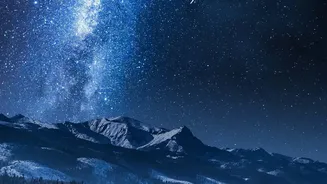
The single most important factor for watching a meteor shower is getting away from city light pollution. For those in metro areas, this means planning a short trip. Even driving an hour or two outside the city limits can make a dramatic difference. The goal is to find a location with a wide, unobstructed view of the sky, far from streetlights and buildings. Regions in India known for their pristine dark skies include Hanle in Ladakh (India's first official Dark Sky Reserve), Spiti Valley, the Rann of Kutch, and parts of Rajasthan and Coorg. However, you don't need to travel to a national park; any rural area, hilltop, or open field with minimal artificial light will greatly improve your experience.
Your Viewing Kit: Comfort is Key
The best equipment for meteor watching is simply your eyes. Telescopes and binoculars are not recommended because they restrict your field of view, and meteors appear too quickly to track. Instead, focus on comfort. Bring a reclining chair or a blanket so you can lie on your back and look up without straining your neck. Even on a summer night, it can get chilly in the early morning hours, so dress in layers and consider bringing a warm drink. Finally, allow your eyes at least 15-20 minutes to fully adjust to the darkness; this will help you spot the fainter meteors. Avoid looking at your phone, as the white light will ruin your night vision. If you need a light, use a torch covered with red cellophane.
How to Watch: Patience and Perspective
Once you're settled in a dark location, look up at the sky, focusing about halfway between the horizon and the zenith (the point directly overhead). While the meteors will appear to radiate from their respective constellations (Perseus for the Perseids, Orion for the Orionids), they can appear anywhere in the sky. Looking slightly away from the radiant point can actually result in seeing longer, more dramatic streaks. Don't expect a constant downpour of shooting stars. Meteor showers come in waves; you might see several in a few minutes, followed by a lull. Be patient, relax, and enjoy the vastness of the night sky. The experience is as much about the quiet moments of stargazing as it is about the thrill of spotting a meteor.