





Prioritise Light, Sattvic Meals
The wisdom of eating light during Shravan is deeply connected to Ayurveda. The monsoon season, or 'Varsha Ritu', is a time when our digestive fire, known as 'Agni', is naturally weaker. Heavy, oily, and complex foods can overburden the system, leading
to bloating and indigestion. Instead, embrace a Sattvic diet, which consists of pure, simple, and easily digestible foods. Think of fresh fruits, milk products, and vrat-friendly grains like Sabudana (tapioca pearls), Kuttu (buckwheat flour), and Rajgira (amaranth). Vegetables like lauki (bottle gourd), pumpkin, and potato are also excellent choices. These foods not only provide sustained energy for fasting but also promote mental clarity and calmness.
Hydrate Smartly, Not Coldly
Staying hydrated in the humid monsoon weather is crucial, but how you hydrate matters. Instead of reaching for iced or chilled drinks, which can further dampen your digestive fire, opt for warm fluids. Sipping on warm water throughout the day aids digestion and helps flush out toxins. Herbal teas infused with immunity-boosting spices like ginger, tulsi, and black pepper are excellent choices to keep you warm and protected. Fresh coconut water is another fantastic option for replenishing electrolytes lost during fasting and humidity. Always ensure you are drinking boiled or properly filtered water to safeguard against waterborne diseases, which are common during this season.
Know Which Foods to Temporarily Avoid
A key part of maintaining health during Shravan involves knowing what to leave off your plate. Leafy green vegetables like spinach and cabbage, while usually healthy, are best avoided. They grow close to the ground and can harbour dirt, worms, and microbes in the damp weather, making them difficult to clean thoroughly. It's also wise to steer clear of street food, including chaat and cut fruits, as the risk of contamination is exceptionally high. Heavy, deep-fried snacks can feel comforting but are hard to digest and can lead to acidity. According to Ayurveda, it's also a good practice to avoid or limit curd, especially at night, as it can increase mucus in the body; warm buttermilk with a pinch of spice is a better alternative.
Fortify Your Immunity Naturally
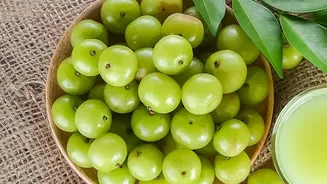
The monsoon is notorious for bringing a wave of colds, coughs, and viral infections. Bolstering your immune system is your first line of defence. Incorporate warming spices like ginger, black pepper, and cumin into your vrat-friendly meals. These spices not only add flavour but also have antimicrobial properties and aid digestion. A small amount of pure ghee is also recommended in Ayurvedic tradition, as it helps boost immunity and nourishes the body. For those whose fasting rules allow, including Vitamin C-rich fruits can also help strengthen the body's natural defences against seasonal illnesses.
Practice Mindful Fasting
Fasting during Shravan is an act of devotion, but it should not come at the cost of your health. The goal is spiritual and physical balance, not exhaustion. Listen to your body's signals. Instead of going without food for long stretches, have small, nutritious meals throughout the day. A handful of nuts, roasted makhana (fox nuts), or a piece of fruit can keep your energy levels stable. When you break your fast, start with something light like a fruit or a glass of milk rather than a heavy, fried meal. This approach prevents shocking your digestive system and ensures you remain energetic and focused on your spiritual practices.
Focus on Personal Hygiene and Comfort
Beyond diet, simple lifestyle habits are vital for staying comfortable and healthy during the monsoon. Personal hygiene is paramount. Wash your hands frequently, especially before eating. If you get caught in the rain, change out of damp clothes immediately and dry yourself thoroughly to prevent colds and fungal skin infections. Wearing waterproof footwear is also a practical step to keep your feet dry and infection-free. At home, ensure there is no stagnant water in or around your house to prevent mosquitoes from breeding and spreading diseases like dengue and malaria.