




The Great Mountain Migration
Across India's beloved hill stations, a noticeable shift is underway. Cafes that once catered to a trickle of seasonal tourists are now experiencing year-round demand, with queues snaking out the door. Owners in places like Manali, Shimla, and even lesser-known
hamlets in the Kumaon hills report a significant uptick in customers, transforming their businesses and the local economy. This isn't just a simple case of post-pandemic 'revenge travel.' It's a deeper cultural phenomenon, a perfect storm of social media influence, the remote work revolution, and a renewed national appreciation for domestic travel. The humble mountain cafe has evolved from a pitstop for chai and Maggi into a destination in its own right, a crucial part of the modern hill station experience.
1. The Instagram-Worthy Viewpoint
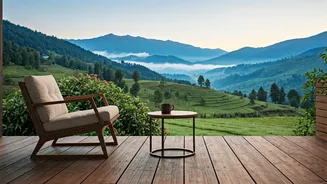
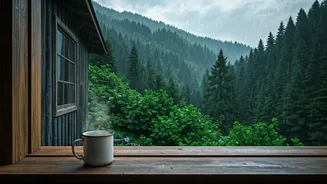
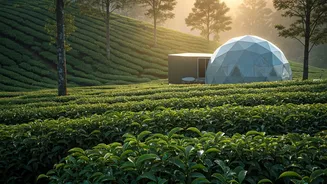
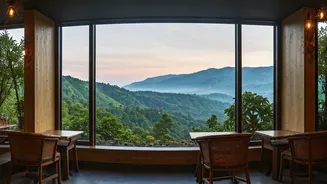
In the age of social media, a cafe's value is often measured by its 'grammability.' Today's travellers are hunting for the perfect backdrop, and cafes perched on cliff edges or nestled in pine forests are striking gold. Establishments with stunning panoramic views, aesthetic decor, and unique architectural features are drawing customers like moths to a flame. These are not just places to eat; they are content creation studios. Cafes in Landour with their sweeping Doon valley views, or those overlooking the tea gardens of Munnar, have become pilgrimage sites for influencers and tourists alike, all eager to capture that perfect shot of a steaming coffee cup against a majestic mountain vista. This visual appeal is a powerful, free marketing tool that is directly translating into higher footfall.
2. The Digital Nomad's New Office
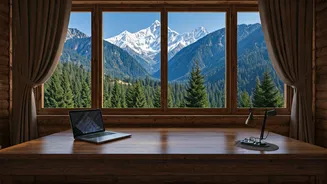
The rise of 'work from anywhere' has fundamentally changed who visits the hills and for how long. Previously a weekend getaway, hill stations are now temporary homes for a growing tribe of digital nomads. These remote workers are swapping cramped city apartments for inspiring mountain landscapes, and local cafes have become their new co-working spaces. Cafes that offer reliable Wi-Fi, comfortable seating, and ample power outlets are seeing a steady stream of patrons who stay for hours, turning a single coffee into a full day's work session. This creates a stable, weekday revenue stream that was previously non-existent, smoothing out the traditional boom-and-bust cycle of weekend tourism and transforming cafes into vibrant community hubs.
3. The Quest for Authentic Flavours
While some seek views, others are travelling for taste. A growing segment of tourists is moving beyond generic cafe fare and seeking authentic, local culinary experiences. In response, a new wave of hill cafes is championing regional produce and traditional recipes. Think cafes in Himachal serving Siddu with freshly made chutney, or establishments in the Nilgiris incorporating local cheeses and chocolates into their menus. This focus on farm-to-table and hyper-local ingredients offers a unique selling proposition that distinguishes them from city chains. For travellers, it’s a chance to connect with the local culture through food, making their visit more memorable and meaningful. These cafes are proving that a good meal with a local story is as big a draw as a good view.
4. The Rise of the Boutique Brewery
The specialty coffee movement has officially reached the mountains. Gone are the days when the only option was a standard instant coffee. Today, discerning travellers and locals are fuelling a demand for high-quality, artisanal brews. Cafes are now roasting their own beans, sourced from Indian estates in Chikmagalur or Araku Valley, and training baristas in the art of the pour-over, Aeropress, and perfect espresso shot. This elevation of the coffee experience has turned many hill cafes into serious destinations for connoisseurs. It adds a layer of urban sophistication to the rustic charm of the mountains, appealing to a clientele that appreciates craft and quality, and is willing to pay a premium for it.