






The Unspoken Delivery Gamble
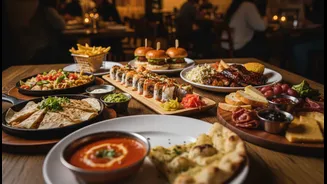
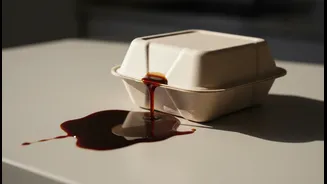
Every time you order in, you’re taking a gamble. You trust that the delicious meal prepared with care in the kitchen will survive its journey. Yet, far too often, it doesn't. The casualties are familiar: soups that have seeped through paper bags, gravies
that have painted the inside of the container, and crispy items that have turned soft and steamy. This isn't just a minor inconvenience; it ruins the meal you paid for. The failure happens at the final and most critical touchpoint—the moment the food arrives. When a customer has to clean up a spill before they can eat, their satisfaction plummets, regardless of how good the food might have tasted. The problem isn’t the food; it's the flimsy, ill-fitting container it was forced into.
Pretty Boxes, Poor Performance
In the age of social media, restaurants have become obsessed with branding. They spend significant amounts on custom logos, stylish fonts, and Instagram-worthy box designs. Packaging has become the brand's silent handshake, a physical representation of its identity. But what good is a beautiful box if it can't perform its most basic function: to hold food securely? Many brands invest in aesthetics while cutting corners on the engineering of the package itself. They opt for thin paperboard that gets soaked with grease, plastic containers that warp with heat, and lids that don't create a proper seal. This focus on appearance over function suggests a misunderstanding of what customers truly value. A memorable logo is nice, but a leak-proof container is essential. No one remembers the branding when they’re wiping dal off their table.
The Anatomy of a Secure Closure
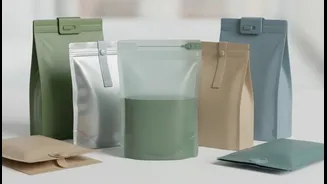
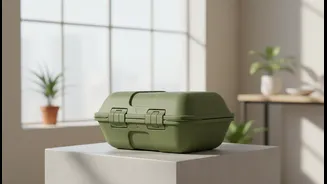
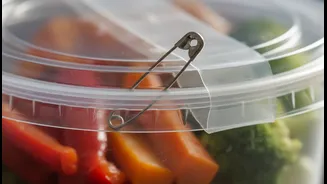
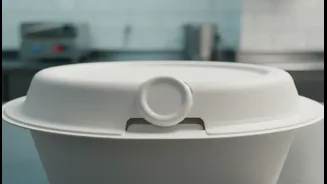
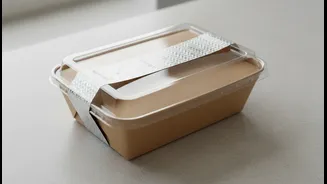
So, what separates good packaging from bad? It’s all in the details of the closure. The best containers feature secure, interlocking lids that click firmly into place. For liquids like soups and curries, tight-fitting seals are non-negotiable. For fried foods, proper ventilation is key to prevent trapped steam from turning crispy items soggy. Smart design also includes using the right materials. Thicker, coated paperboards resist grease and moisture, while sturdy plastics maintain their shape when holding hot food. Multi-compartment trays are another excellent solution, keeping different elements of a meal from mixing during transit. Innovations like tamper-evident seals not only provide security but also give customers peace of mind. These functional features are what truly protect the integrity and quality of the meal.
Is Good Design Really More Expensive?
Many restaurants argue that high-quality, secure packaging is too expensive, especially when operating on thin margins. However, this is often a false economy. The hidden costs of poor packaging—customer refunds, negative online reviews, and lost repeat business—can be far more damaging to the bottom line. One bad review complaining of a leak can deter dozens of potential customers. Delivery platforms often side with the customer on complaints, forcing restaurants to absorb the cost of a ruined order. Investing a little more in better containers isn't just an added expense; it's a crucial investment in customer satisfaction and brand reputation. A meal that arrives intact and well-presented reinforces the value of the purchase and encourages loyalty, which is ultimately priceless.