



What Is Seasonal Eating, Really?
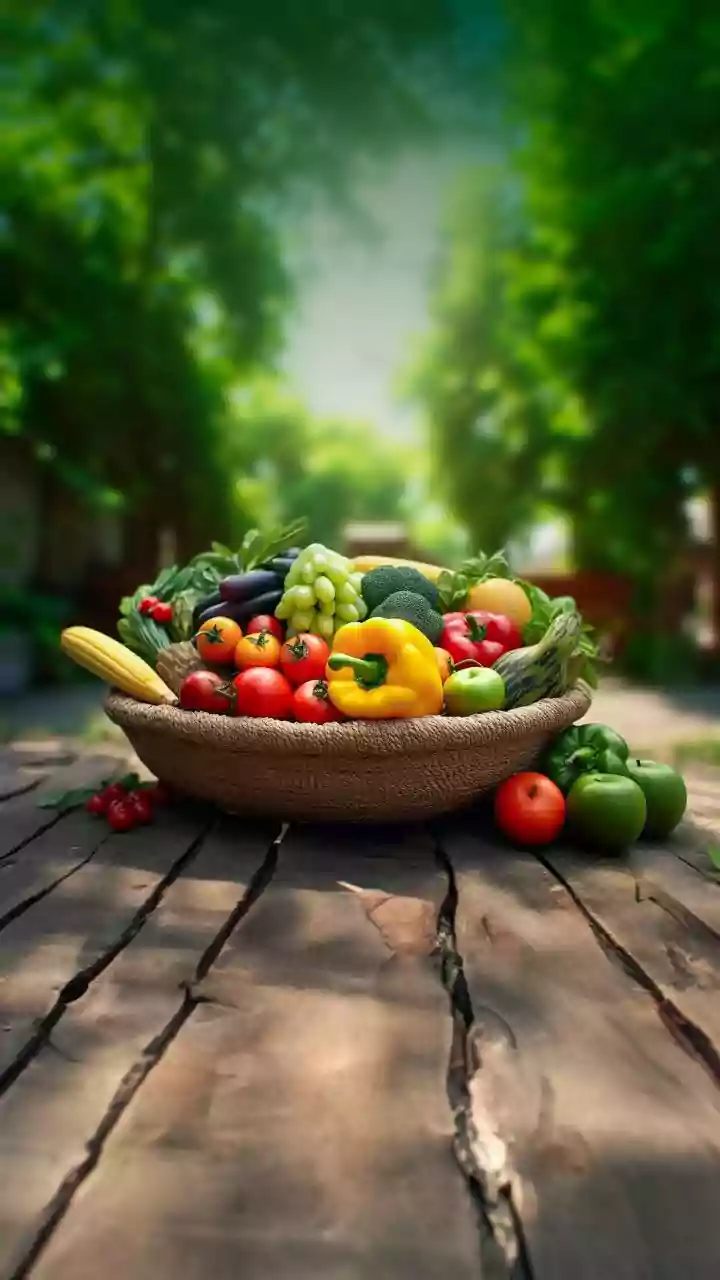
At its heart, seasonal eating is the practice of eating foods at the time of year they are naturally ready to be harvested. It’s choosing mangoes in the summer, leafy greens during the monsoon, and vibrant root vegetables in the winter. This isn't a restrictive
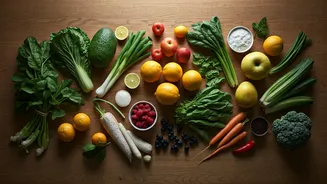
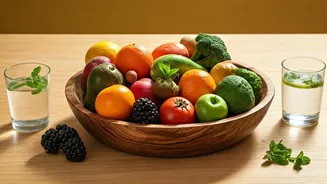
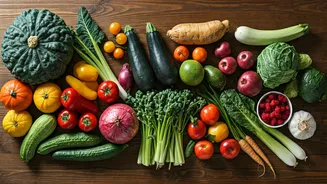
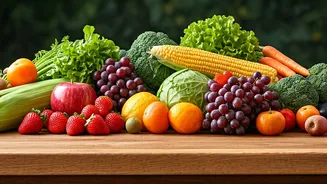
diet with a long list of forbidden foods. Instead, it's a flexible approach guided by nature's own calendar. Think of it as aligning your plate with the world outside your window. When you walk through a local *sabzi mandi*, the produce that is piled high, looks the freshest, and is most affordable is almost always what's in season. It’s a concept our grandparents and great-grandparents understood instinctively, long before global supply chains made it possible to buy strawberries in December.
The Triple Win: Flavour, Nutrition, and Cost
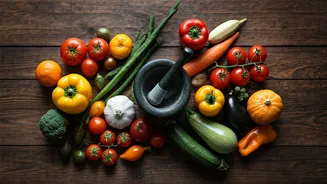
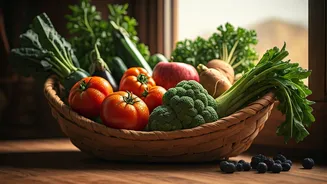
The most immediate reward of seasonal eating is taste. A sun-ripened summer tomato or a crisp winter carrot simply tastes better than one that has been picked prematurely and shipped across the country. When fruits and vegetables are allowed to ripen naturally, their sugars and other flavour compounds develop fully. This peak flavour often corresponds with peak nutrition. Produce that is harvested in its prime season tends to have a higher concentration of vitamins, minerals, and antioxidants. A study in the *International Journal of Food Sciences and Nutrition* found that broccoli grown in its peak season had significantly more Vitamin C than broccoli grown out of season. Furthermore, eating seasonally is often kinder to your wallet. The basic law of supply and demand means that when a particular fruit or vegetable is abundant, its price naturally drops. You get better quality food for less money—a clear win.
Breaking the Monotony of 'Healthy' Food
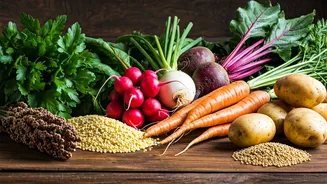
One of the biggest reasons diets fail is boredom. Eating the same rotation of 'healthy' foods day in and day out can quickly feel punishing and unsustainable. Seasonal eating is the perfect antidote to this. Nature provides a built-in variety pack. Just as you get used to summer's light and juicy offerings, the monsoon arrives with a different array of gourds and greens. This is followed by the hearty, warming foods of winter like *sarson* (mustard greens) and sweet potatoes. This constant rotation not only keeps your meals interesting but also ensures you're getting a diverse range of nutrients throughout the year. It encourages creativity in the kitchen, prompting you to try new recipes and explore vegetables you might normally overlook. Instead of focusing on what you *can't* eat, you start celebrating what you *can*.
How to Get Started Without Overthinking It
Starting with seasonal eating doesn't require a complete overhaul of your life. Begin with small, simple steps. 1. **Visit Your Local Market:** Your local vegetable vendor is your best guide. Ask them what's fresh, what just came in, and what's tasting best right now. Their knowledge is invaluable. 2. **Plan One Seasonal Meal a Week:** Don't try to change everything at once. Challenge yourself to cook one meal per week using only ingredients that are currently in season. This makes it a fun experiment rather than a strict rule. 3. **Be Curious:** If you see an unfamiliar vegetable that's in season, buy a small amount and look up a simple recipe. You might discover a new favourite. 4. **Embrace Imperfection:** If you’re craving cauliflower in the middle of summer, it’s okay. The goal isn’t rigid purity; it’s about shifting your overall habits towards a more natural, enjoyable rhythm.
Connecting With Food and Tradition
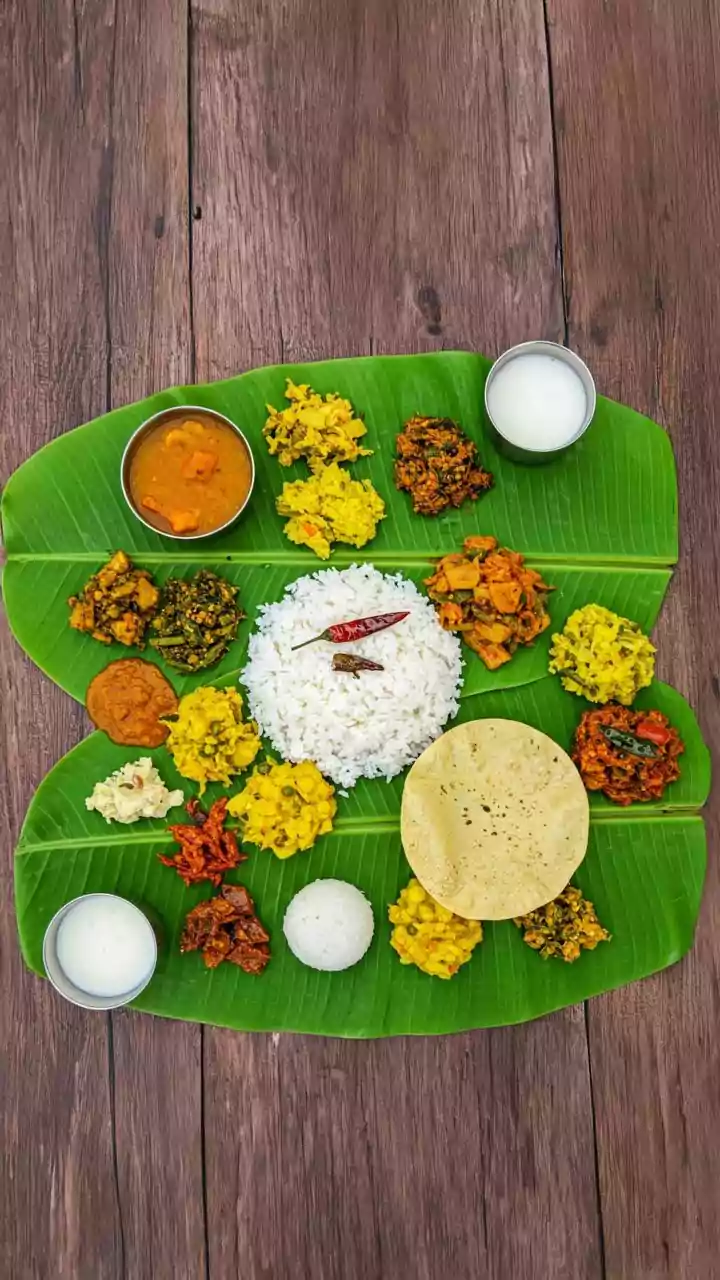
Beyond the personal health benefits, eating seasonally reconnects us to our food, our environment, and our culture. Many of our traditional Indian festivals and dishes are intrinsically linked to the harvest calendar. Think of *Pongal* celebrating the new rice harvest, or the winter indulgence in *gajar ka halwa* when carrots are at their sweetest. By choosing seasonal foods, we are participating in a timeless cycle. It fosters a deeper appreciation for the effort that goes into growing our food and the natural systems that support it. This mindful approach transforms eating from a mere act of consumption into a more meaningful and grounded daily ritual.