



A Taste of Home
For many Indians, especially those who have moved away from their hometowns for work or family, food is a powerful anchor to their roots. A specific dal, a regional curry, or a festive sweet isn't just sustenance; it's a comforting taste of childhood
and a tangible piece of identity. The act of recreating a dish from one's grandmother's kitchen can bridge distances, making a new city feel a little more like home. These recipes serve as delicious, edible heirlooms, carrying stories of family, place, and tradition in every bite. They are a way of saying, 'This is where I come from', whether you're sharing a tiffin with colleagues or introducing friends to the flavours of your region.
The Keepers of the Flame
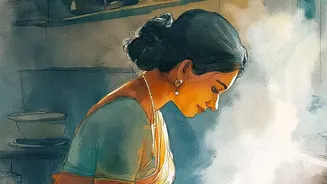
Historically, culinary knowledge in India was passed down orally, from mother to daughter, grandmother to granddaughter. Recipes were rarely written down. Instead, they were learned through observation and practice, measured not in cups and grams but in approximation and intuition—a 'pinch of this' or 'a little of that'. This intimate method of teaching turned cooking into a shared experience, a time for bonding and storytelling. These matriarchs became the unofficial guardians of a family's culinary legacy, preserving flavours and techniques that defined their household and their community's identity. Every faded, handwritten notebook, with its smudges and notes in the margins, is a treasured piece of family history.
Challenges in the Modern Kitchen
Today's fast-paced lifestyles present a challenge to the preservation of these traditions. For busy professionals, the slow, multi-step process of traditional cooking can seem daunting. Sourcing specific regional ingredients, like a particular variety of chili from Rajasthan or sun-dried vegetables for a specific dish, can be difficult in large metros, let alone abroad. Furthermore, the unwritten 'andaaz' or estimation that grandmothers used is hard to replicate. Without precise measurements, a recipe can be lost when the person who perfected it is no longer there to guide the process, risking the disappearance of unique family tastes.
The Digital Spice Box
Interestingly, the very modernity that poses a threat is also offering a solution. Technology has become a crucial tool for a new generation of home cooks eager to reconnect with their culinary roots. Family WhatsApp groups buzz with recipe requests, while YouTube tutorials break down complex techniques into easy-to-follow steps. Food bloggers and Instagrammers are meticulously documenting their family's recipes, creating digital archives that can be shared across the globe. Apps are even being developed to scan and digitise old, handwritten recipe books, ensuring that a grandmother's fading script can be preserved forever. This digital movement is not just about learning; it's about sharing and creating a new kind of community around heritage food.
More Than a Meal
Ultimately, the effort to cook a traditional meal is about more than just dinner. It is an act of cultural preservation. When a young cook in a city apartment learns to make their family's signature biryani or pickle, they are not just following instructions. They are participating in a ritual that has connected their family for generations. They are reclaiming a piece of their history and grounding themselves in a rapidly changing world. Each dish tells a story of a specific time, place, and people, from the fiery Laal Maas of Rajasthan to the subtle, complex curries of Kerala. By keeping these recipes alive, Indian home cooks ensure that their heritage remains a living, breathing, and delicious part of their present.