

A Festival Steeped in Sweetness
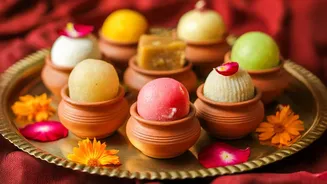
Janmashtami, the celebration of Lord Krishna's birth, is a festival of vibrant devotion, fasting, and feasting. Central to the celebration is the offering of 'bhog' or 'prasad' to the deity, which often includes a lavish spread of 56 dishes known as the 'Chappan
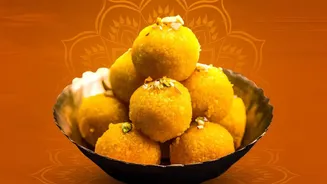
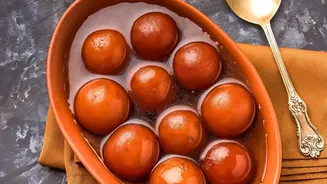
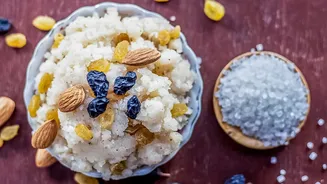
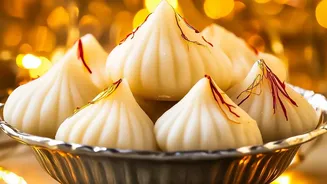
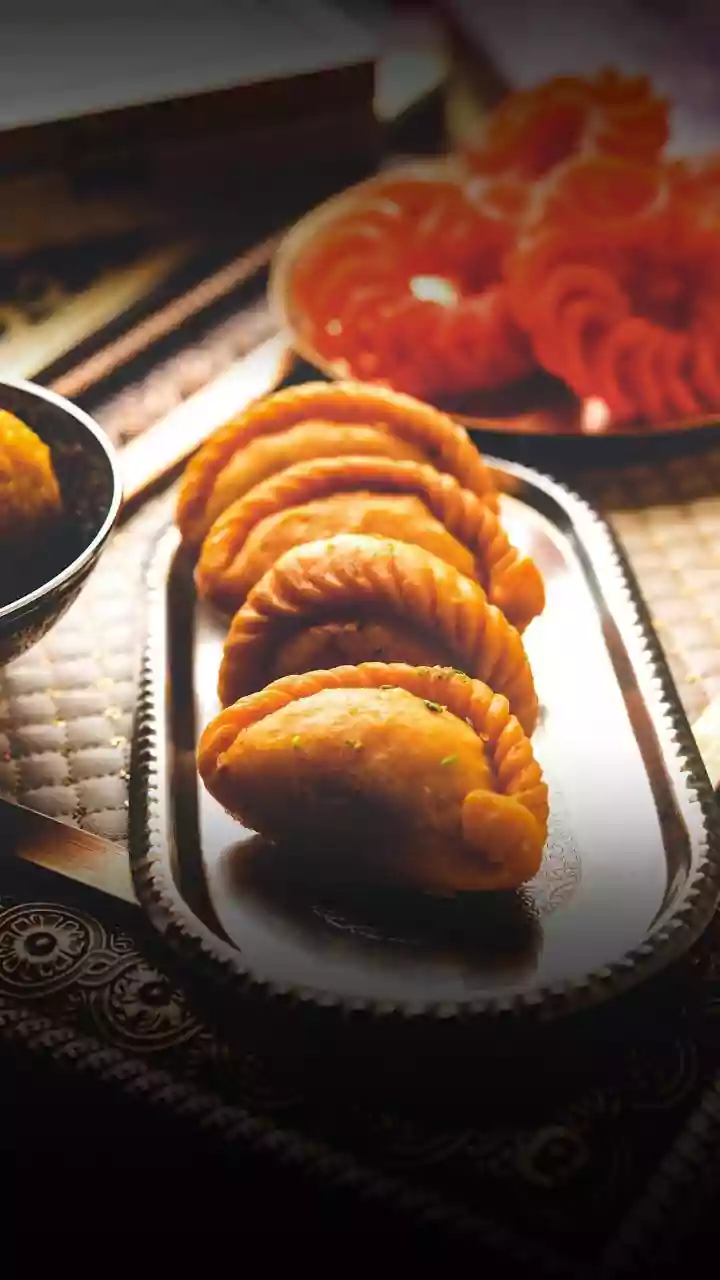
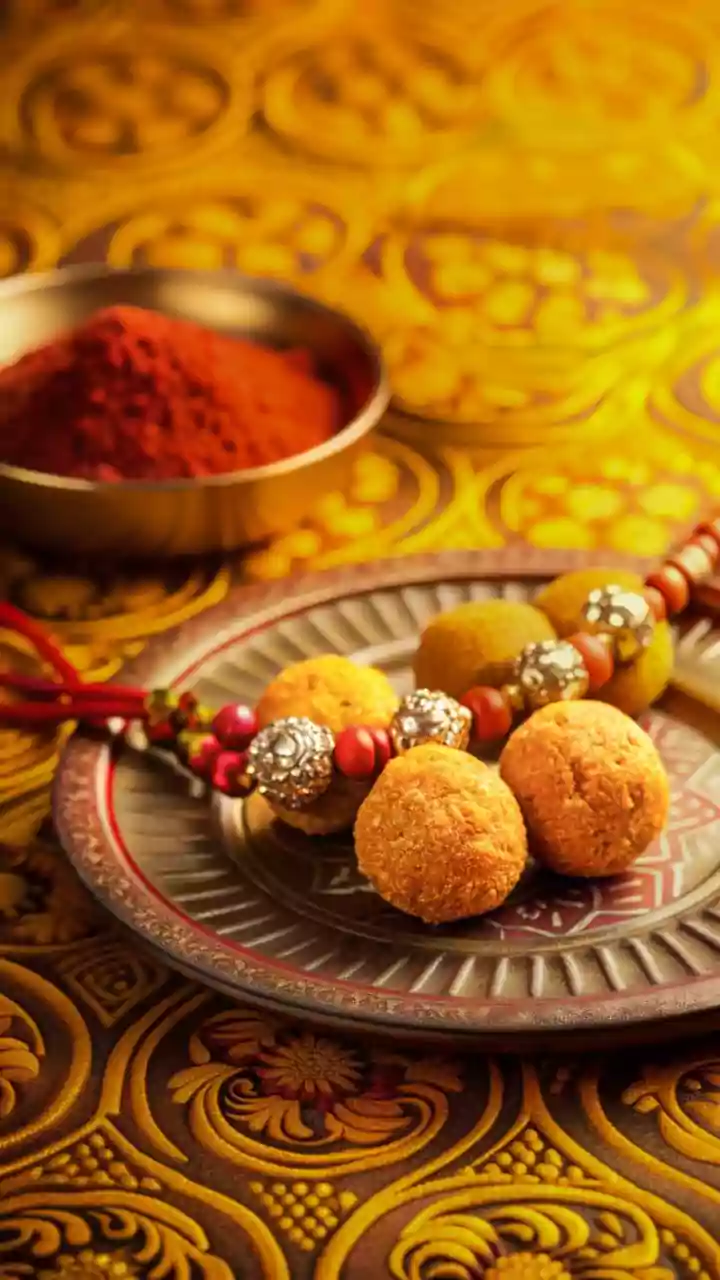
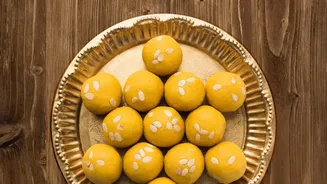
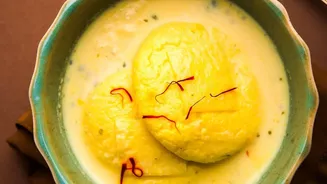
Bhog'. Sweets are the star of this offering. For generations, households have prepared rich, decadent treats like panjiri, makhana kheer, malai peda, and various ladoos. These recipes, passed down through families, are synonymous with the joy and indulgence of the festival, celebrating Krishna's legendary love for butter and milk-based sweets.
A New Generation’s Recipe for Change
However, a noticeable shift is taking place in kitchens across India. Driven by youth collectives, community health groups, and digitally-savvy home cooks, there is a growing movement to give these traditional recipes a healthy makeover. The core idea isn't to abandon tradition but to adapt it to modern wellness sensibilities. This trend is seeing a conscious move away from refined white sugar and towards more wholesome alternatives, ensuring the festive spirit doesn't come at the cost of well-being. The push is for sweets that everyone, including the elderly and those with health conditions like diabetes, can enjoy without worry.
Why Health Is the Main Ingredient
This culinary evolution is fuelled by a broader cultural shift towards health and wellness in India. With rising awareness about lifestyle diseases, younger generations are becoming more mindful of their dietary choices. They are seeking a balance between honouring cultural practices and maintaining a healthy lifestyle. The sentiment is clear: festivals should be a time of joy, not a source of health-related anxiety. This has led to an explosion of creativity, with home cooks and food bloggers sharing recipes that are both delicious and nutritious, ensuring that the essence of the festival remains intact.
Tradition, Not Restriction
So, what do these healthier sweets look like? The primary change is the replacement of refined sugar with natural sweeteners. Jaggery, date paste, figs, honey, and even fruit pulp are being used to sweeten classic dishes like panjiri and ladoos. Instead of polished rice or refined flour, many are using whole grains and millets like ragi, which are rich in fibre. For example, a traditional coconut laddoo might be reimagined with fresh coconut and a light jaggery syrup instead of condensed milk and sugar. Dates and nut energy bites, packed with almonds, cashews, and figs, are becoming a popular, guilt-free alternative to richer barfis. Even makhana kheer is being prepared with low-fat milk and a minimal amount of natural sweetener.
From Community Kitchens to Social Media
This quiet revolution is being amplified through modern channels. What might start as a conversation in a family WhatsApp group quickly finds a wider audience through Instagram reels and YouTube tutorials. Youth-led community groups are organising local workshops, while health-focused websites and food bloggers are publishing extensive lists of diabetes-friendly and low-calorie festival recipes. This digital sharing culture has accelerated the trend, allowing these adapted recipes to reach households far and wide, making healthy celebrations more accessible than ever. The movement shows that tradition is not static; it is a living, breathing thing that can evolve to meet the needs of the present.