






The Race for Faster Food
In our fast-paced lives, convenience is king. This reality has supercharged the growth of the Quick Service Restaurant (QSR) market in India, which is projected to grow from over USD 27 billion in 2025 to more than USD 47 billion by 2031. This surge isn't
just about traditional fast-food chains; it's a fundamental shift in how we eat, driven heavily by urbanisation and the dominance of food delivery apps. Platforms like Zomato and Swiggy have revolutionised access to food, making home delivery a dominant force. Restaurants are adapting by creating delivery-specific menus, optimising packaging for transit, and even designing kitchens with a separate, dedicated area for delivery personnel to ensure orders get out the door faster. The result is a dining landscape built for speed, where getting a hot meal delivered to your desk or doorstep is easier and quicker than ever before.
The Rise of the Conscious Eater
Alongside the need for speed is a powerful counter-current: a collective move towards healthier eating. Indian diners are increasingly conscious of what they consume, leading to a surge in wellness-focused menus. This isn't just about adding a lone salad to the menu; it's a deep-seated trend. The plant-based food market in India is booming, with projections showing significant growth as consumers seek healthier, more ethical options. Menus are now proudly highlighting dishes made with millets, which the Indian government has championed, as well as plant-based meats and dairy alternatives. Chefs are reducing sugar in desserts and using traditional ingredients like jaggery and local honey for flavour. This shift caters to a well-informed diner who wants transparency about ingredients and isn't willing to compromise on health, even when eating out.
A Menu Made Just for You
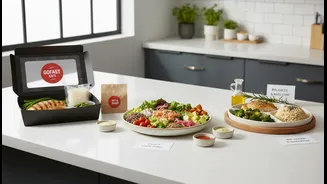
The one-size-fits-all meal is becoming a relic of the past. Today's diners crave personalisation, and restaurants are listening. The most visible sign of this trend is the rise of 'Build-Your-Own' (BYO) concepts, where customers can create their own salads, bowls, or wraps from a selection of fresh ingredients. Beyond this, a new wave of services is offering highly customised meal plans delivered to your home. Companies now offer consultations with nutritionists to create weekly or monthly meal plans tailored to specific health goals, such as weight loss, muscle gain, or managing health conditions like diabetes. Menus are also becoming more accommodating to dietary restrictions, clearly labelling gluten-free, vegan, and keto-friendly options so diners no longer have to guess. This focus on customisation reflects a broader cultural shift towards individuality, celebrating personal taste and specific dietary needs rather than catering to a generic palate.
Technology: The Secret Ingredient
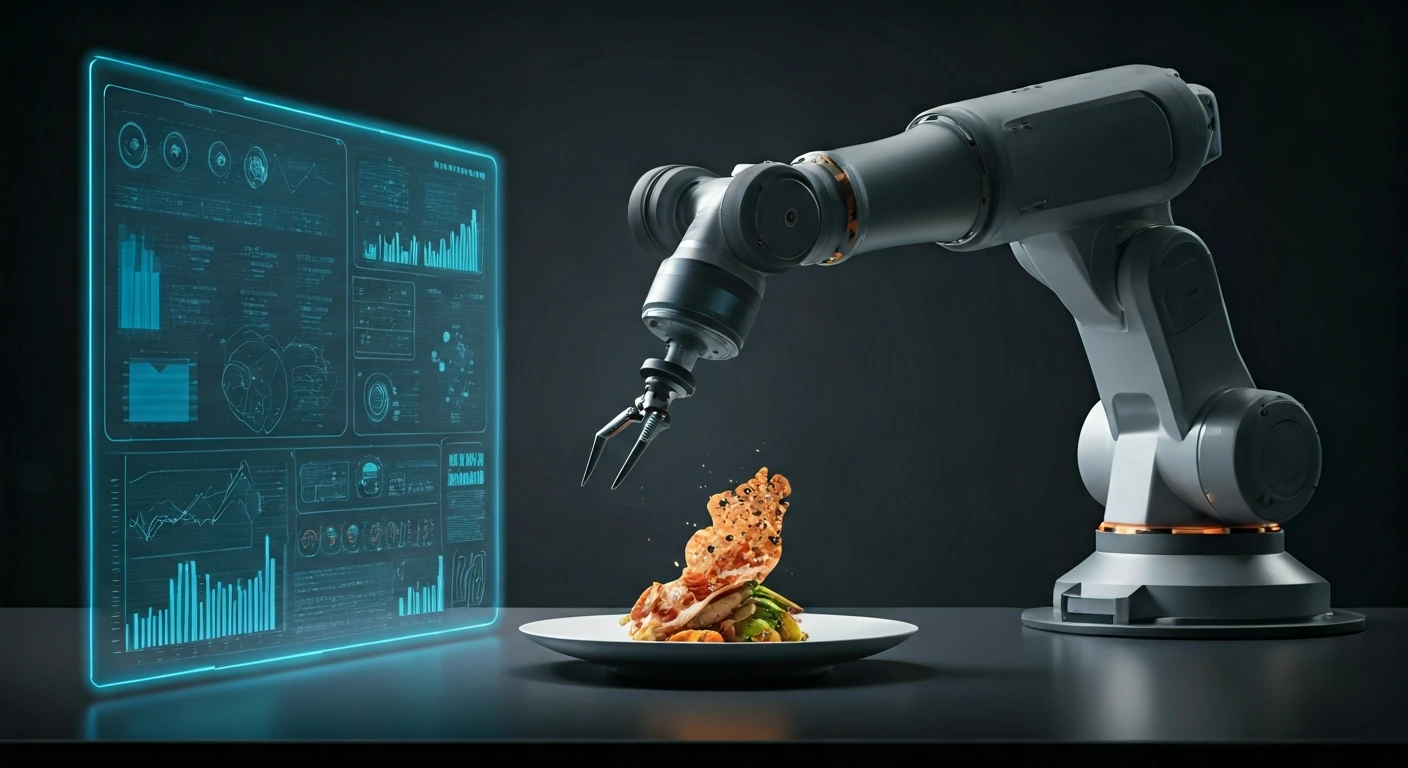
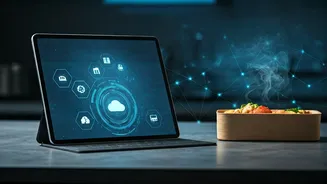
Underpinning these three major trends is the silent, powerful engine of technology. Digital integration is the thread connecting speed, health, and personalisation. Food delivery platforms use sophisticated logistics to ensure quick and reliable service. At the same time, many apps and services allow for detailed customisation and provide nutritional information for every meal, empowering healthier choices. AI is being used for menu recommendations, while smart kitchen technology helps restaurants manage orders efficiently, ensuring both speed and accuracy. Even at the dining table, QR code menus allow for instant updates and personalised offers. This digital transformation means restaurants can cater to individual needs at scale, delivering a faster, healthier, and more personalised experience than was ever possible before.