
Why Venus Dazzles the Night Sky
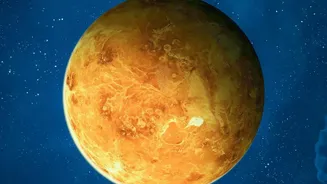
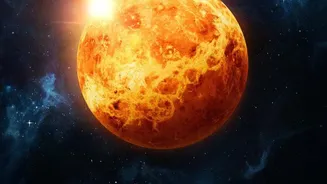
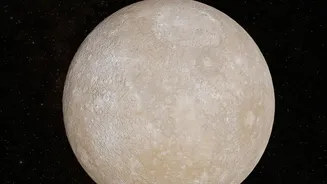
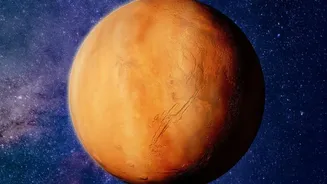
Venus is the brightest object in our night sky after the Moon, and there's a simple reason for its brilliance. Its orbit is closer to the Sun than Earth's, and it's shrouded in thick, highly reflective clouds of sulfuric acid. These clouds act like a giant
mirror, bouncing a tremendous amount of sunlight back into space, making the planet shine like a beacon. Its relative proximity to Earth also helps. This August, Venus will be a prominent fixture in our evening sky, offering a fantastic opportunity for stargazers and casual observers alike to appreciate its splendour without any special equipment.
Best Dates and Times for Viewing
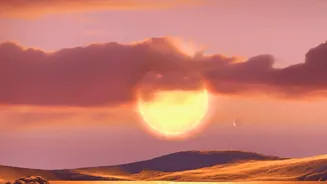
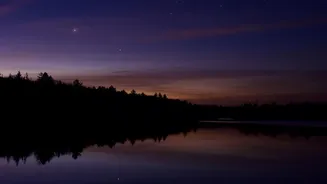
Throughout August 2026, Venus will be visible as a magnificent 'Evening Star'. The best time to look is in the western sky about 30 to 90 minutes after sunset. As twilight deepens, Venus will emerge as a stunningly bright point of light. A particularly special date is August 15, when Venus reaches its 'greatest eastern elongation'. This means it will be at its farthest apparent distance from the Sun in the sky, making it easier to spot against the darkening backdrop. Around this time, it will shine at a brilliant magnitude of -4.3. The planet will remain a spectacular sight through the end of the month, continuing to brighten as it heads towards its peak brilliance in September.
Where to Look: A Compass for the Cosmos
Finding Venus is simple: face the direction of the setting Sun. Shortly after sunset, cast your gaze towards the west to west-southwest horizon. You won’t be able to miss it; its brightness is unmistakable. Early in the month, you'll find it shining brightly, and as August progresses, you can watch it step eastward across the constellation Virgo. On August 16, a beautiful celestial event occurs as the waxing crescent Moon passes near Venus, creating a breathtaking pairing visible to the naked eye. Throughout the month, you may also notice Venus closing the distance with the bright star Spica, the brightest star in Virgo, which will be near the planet in the sky.
Do You Need a Telescope?
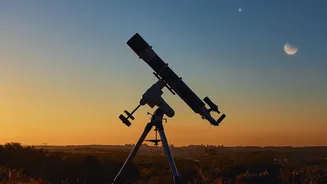
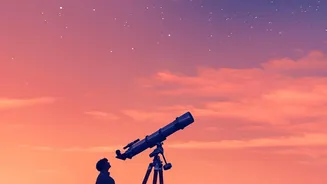
No special equipment is required to enjoy the sight of Venus. Its incredible brightness makes it easily visible to the naked eye, even from light-polluted cities. However, if you have a pair of binoculars or a small telescope, you're in for an extra treat. Pointing them at Venus will reveal that, just like the Moon, it has phases. Around August 12, Venus reaches what is called a 'dichotomy', where it appears as a perfect half-moon. After this, it will transition into a noticeable crescent shape for the rest of its evening appearance. Viewing this phase is a fascinating experience, first documented by Galileo Galilei, which helped prove that planets orbit the Sun.
Tips for Urban and Rural Stargazers in India
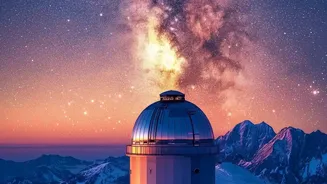
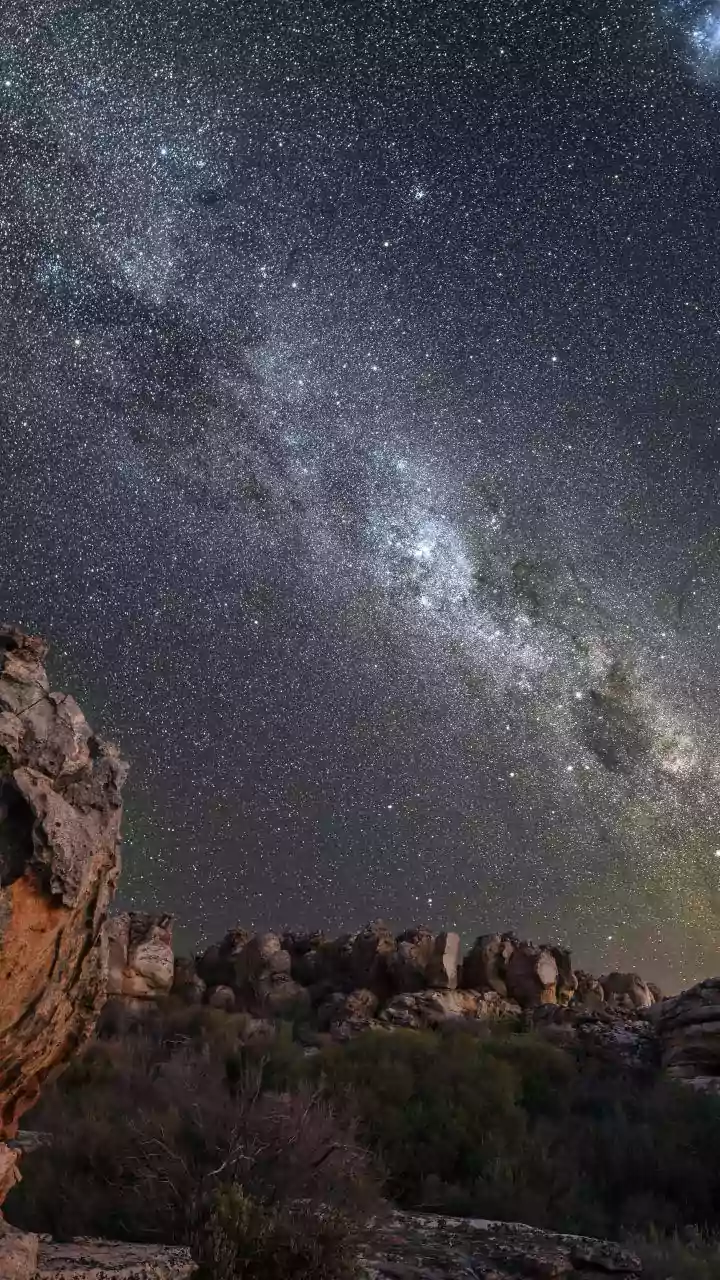
For those living in bustling Indian cities like Mumbai, Delhi, or Bengaluru, light pollution can be a challenge. To get the best view of Venus, find a location with an unobstructed view of the western horizon. A high-rise balcony, a park, or an open field away from the worst of the city's glare will work perfectly. Give your eyes about 15-20 minutes to adapt to the dark; this will make Venus and other celestial sights appear much clearer. For observers in rural areas with darker skies, the view will be even more rewarding. The brilliance of Venus will stand out starkly against the fainter stars, and you'll have a better chance of spotting the nearby star Spica and the subtle glow of the Milky Way on moonless nights.