



What Exactly Is Nordic Walking?
Imagine cross-country skiing without the snow or skis—that's the essence of Nordic walking. It’s an enhanced walking technique where you use specially designed poles to propel yourself forward. Originally developed in Finland as a summer training method
for elite skiers, it has since been embraced worldwide as a low-impact, high-reward exercise for all ages and fitness levels. Unlike simply carrying poles for stability on a hike, Nordic walking involves an active technique of planting the poles and pushing off to engage your entire body with each step.
The Upper-Body Advantage
The true game-changer with Nordic walking is its impact on the upper body. Regular walking primarily works muscles from the waist down, engaging about 50% of your body's muscles. By adding the specific poling technique, you recruit muscles in your arms, shoulders, chest, and back, activating up to 90% of your body's muscles. This active pushing motion works your triceps, lats, and trapezius muscles, helping to improve posture and build upper-body strength and endurance. Studies have shown it can improve shoulder mobility and even reduce muscle tenderness for those who spend long hours at a desk.
More Than Just Toned Arms
The benefits extend far beyond the upper body. By engaging more muscles, Nordic walking significantly increases calorie burn—anywhere from 18% to over 60% more than conventional walking, according to various studies. It also boosts your heart rate more effectively at a similar pace, making it a superior cardiovascular workout without the high impact of running. This makes it an excellent choice for improving heart health, managing weight, and reducing stress on joints like the knees and hips. The poles also provide extra stability, which can improve balance and confidence on uneven terrain.
Gearing Up to Get Started
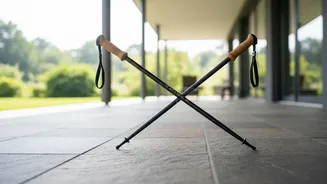
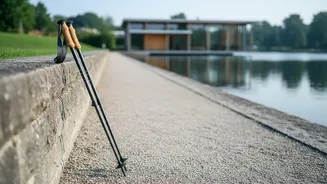
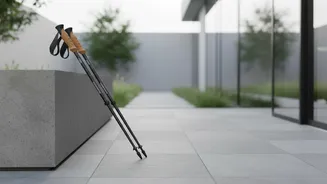
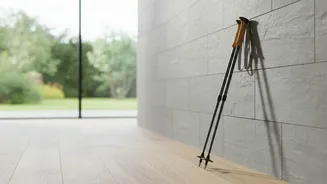
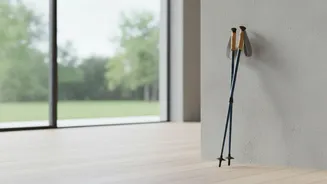
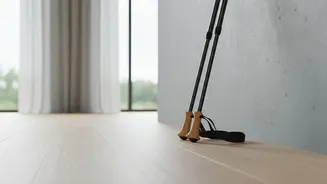
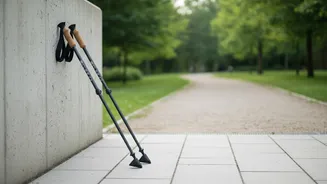
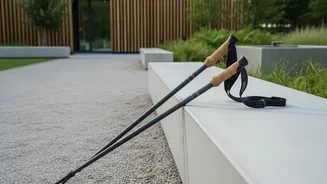
Getting started is simple, but the right equipment is key. You'll need a pair of dedicated Nordic walking poles, which are different from trekking poles used for hiking. Nordic poles are typically lighter and feature a special glove-like strap system that allows you to perform the push-off technique correctly by releasing your grip on the handle. They come in fixed-length or adjustable models, with materials ranging from affordable aluminum to lightweight carbon fiber that absorbs more vibration. For footwear, comfortable walking shoes with good support are all you need. The poles come with rubber tips for pavement and can be removed for better traction on trails.
Mastering the Basic Technique
The technique is rhythmic and natural once you get the hang of it. The core principle is walking with an opposite arm and leg motion—as your right leg steps forward, your left arm swings forward to plant the pole. The poles should be held at an angle, pointing backward. You plant the pole beside you, push off to propel yourself forward, and let your hand open at the back of the swing, guided by the strap. Maintain an upright posture, keep your shoulders relaxed, and look ahead. The goal is to create a smooth, flowing motion where the poles become an extension of your arms, adding power to your stride rather than just being carried along.