





Embrace the Rainy Season's Potential
Gardening during the monsoon is uniquely rewarding. The naturally high humidity, cooler temperatures, and abundant water create the perfect conditions for many plants to flourish, often growing much faster than in other seasons. For those living in apartments,
this is an opportunity to create a personal sanctuary that is both beautiful and calming. The key is to choose plants that love the wet conditions and to manage the primary challenge: excess water. With the right approach, your small space can become a testament to the life-giving power of the rains.
A Palette of Monsoon-Proof Colours
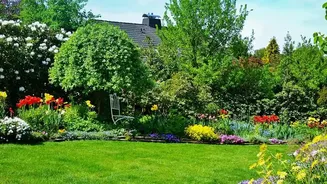
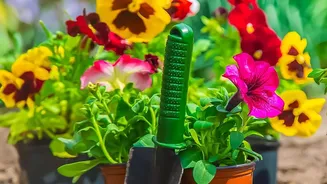
To add a splash of colour that can withstand the downpours, focus on flowering plants that peak during this season. Balsam is a classic choice, known for its cheerful pink, purple, and white blooms that thrive in moist conditions. Hibiscus also enters a vigorous flowering phase during the monsoon, producing large, stunning blossoms that can brighten any space. Other reliable options for pots include the hardy Periwinkle (Sadabahar), which blooms continuously, and Rain Lilies, which, true to their name, often surprise with delicate flowers after a shower. These plants are ideal for adding vibrant hues to your balcony garden.
Lush Greenery for Texture and Depth
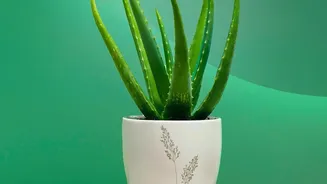
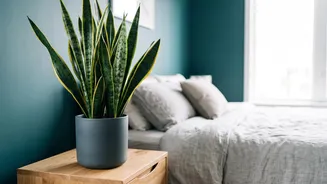
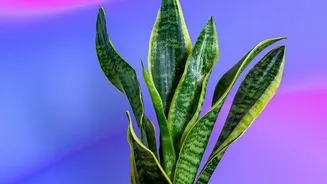
A successful garden balances colour with the calming effect of greenery. Foliage plants add texture, depth, and a tropical feel. Ferns are an excellent choice as they adore the high humidity of the monsoon. Coleus is another standout, celebrated not for its flowers but for its incredibly colourful leaves in shades of green, pink, red, and maroon. It grows well in partial shade, making it perfect for balconies that don't receive direct sun all day. For a low-maintenance option that also purifies the air, consider the resilient Snake Plant or a trailing Money Plant, both of which handle monsoon humidity with ease.
The Foundation: Preventing Waterlogged Pots
The single most critical factor for success in monsoon container gardening is drainage. Waterlogged soil can lead to root rot, which is the most common reason plants fail during this season. First, ensure every pot has clear, unobstructed drainage holes. It is also highly beneficial to elevate your pots using plant stands or simple bricks; this allows excess water to drain away freely and prevents the pots from sitting in puddles. Opt for a light, well-draining potting mix. You can create one by mixing regular soil with compost and sand or coco peat to improve its structure and prevent compaction. Using fabric grow bags can also be an advantage, as their breathable material allows moisture to escape from all sides.
Essential Monsoon Care
During the monsoon, your watering routine needs to change. Never water your plants on a schedule. Instead, check the soil first by sticking a finger about an inch deep; if it feels moist, do not water. On rainy days, your plants will likely not need any additional water at all. High humidity can also invite pests and fungal diseases. As a preventative measure, you can spray your plants with a diluted neem oil solution every couple of weeks. Also, ensure good air circulation by not overcrowding your plants and pruning any yellowing or dead leaves to keep the plants healthy and robust.