



A Sweet and Tangy Revival
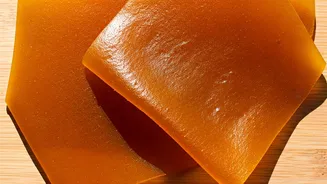
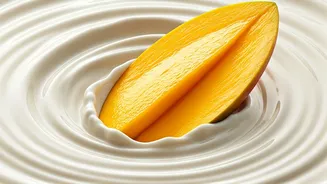
Scroll through social media feeds this summer, and you might see something beautifully familiar yet surprisingly trendy: glistening, gem-toned sheets of mango pulp drying in the sun. This is aam papad, or mango fruit leather, a treat that instantly transports
many Indians back to their childhood. What’s new, however, is who is making it. Gen Z has embraced the traditional process, transforming the humble aam papad from a store-bought snack into a viral DIY project. The appeal lies in the satisfying process—the vibrant color of the mango puree, the rhythmic spreading of the pulp, and the almost magical transformation into a chewy, delicious sheet. This isn't just a snack; it's a content-worthy craft.
More Than Just Nostalgia
While nostalgia is a powerful ingredient, the trend is about more than just recreating a childhood memory. For a generation that values authenticity and hands-on experiences, making aam papad from scratch is a perfect fit. It taps into the DIY culture that thrives on platforms like Instagram and YouTube, where process is as important as the final product. There's also a growing interest in traditional food preservation techniques. Making aam papad is a way to connect with the past and understand how seasonal abundance was managed long before refrigerators became common. The trend has been further fuelled by viral videos showing the mass production of aam papad, which sometimes raise hygiene concerns, prompting many to try making a cleaner, homemade version themselves.
Your Simple Guide to Homemade Aam Papad
Intrigued and ready to try it yourself? Making aam papad at home is simpler than you might think. The core of the recipe involves just three steps: cooking mango pulp with a sweetener, spreading it thinly, and drying it. Here's a basic breakdown: 1. **Create the Pulp:** Start with about 2 cups of ripe mango pulp. You can get this by blending the flesh of 3-4 sweet mangoes until completely smooth. For an even finer texture, you can strain the puree to remove any fibrous threads. 2. **Cook the Mixture:** Transfer the pulp to a wide, heavy-bottomed pan. Add sugar or jaggery to taste—a good starting point is about half a cup, but adjust based on your mangoes' sweetness. Cook on a low-to-medium flame, stirring continuously for 15-20 minutes until the mixture thickens. It’s ready when it has a glossy, translucent look and comes together, leaving the sides of the pan. At this stage, you can add flavourings like a pinch of cardamom powder or black salt. 3. **Spread and Dry:** Grease a steel plate or a tray with a little ghee. Pour the thickened mango mixture onto the plate and spread it into a thin, even layer with a spatula. Traditionally, this sheet is dried in the sun for two to three days, covered with a thin muslin cloth to protect it from dust. If you're short on time or sunlight, you can also dry it under a fan overnight or in an oven at the lowest possible temperature (around 50-70°C) for several hours until it’s leathery and no longer sticky.
Perfecting Your Papad Sheets
Once your aam papad is fully dry, it should peel away from the plate easily. You can then use a knife or a pizza cutter to slice it into strips, squares, or diamonds. Roll them in parchment paper or store them in an airtight container, where they can last for months, preserving the taste of summer long after the season ends. The beauty of making it at home is the ability to experiment. You can create different versions, from a purely sweet one to a tangy and spicy masala-flavored papad. Some recipes even call for a mix of ripe and raw mangoes for a more complex flavour profile. No matter how you make it, the result is a delicious, preservative-free snack that carries the satisfaction of having been made with your own hands.