








The Double Impact of a Downpour
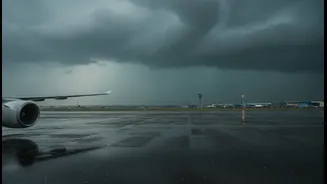
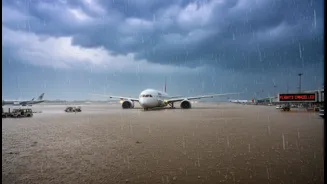
A heavy spell of rain in the National Capital Region triggers a cascade of problems that directly impact travel to Indira Gandhi International (IGI) Airport. The first and most visible issue is waterlogging. Key arterial roads and underpasses leading
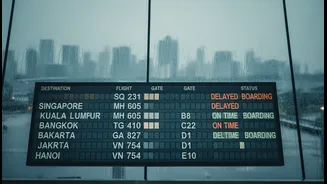
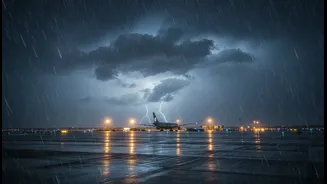
to the airport, such as National Highway 48 and the Mahipalpur bypass, are prone to flooding, which brings traffic to a near standstill. What would normally be a 60-minute drive can easily stretch to two or three hours. The second issue is the disruption to flight operations themselves. Adverse weather, including thunderstorms and poor visibility, can lead to flight delays, diversions, or even cancellations, creating a backlog that affects schedules throughout the day. Airlines including IndiGo, Air India, Akasa Air, and SpiceJet have recently issued advisories acknowledging these potential disruptions.
How Much Extra Time Is Enough?
Airlines are universally advising passengers to allow for extra travel time. While there is no magic number, a good rule of thumb during periods of heavy, continuous rain is to add at least 90 minutes to two hours to your usual airport travel time. This buffer accounts for unpredictable traffic snarls and the potential for longer queues at the terminal entrance and check-in counters, as many other passengers will also be arriving in a clustered, delayed pattern. It's wiser to spend an extra hour relaxing at the airport than to miss your flight due to circumstances beyond your control. Remember, the chaos on the roads is a key factor, as highlighted in advisories from airlines like Akasa Air, which specifically mention anticipated slow-moving traffic and congestion.
Your Smartest Option: The Metro
The most reliable way to bypass the rain-induced traffic nightmare is to take the Delhi Metro. The Airport Express Line offers a direct, weather-proof connection from the city center (New Delhi Railway Station) to Terminal 3, with a journey time of approximately 20 minutes. It remains unaffected by waterlogging and road congestion, making it the most predictable and stress-free option. DIAL, the airport operator, has also advised passengers to consider using the metro during periods of inclement weather. For travellers heading to or from Terminal 1, feeder buses and inter-terminal metro connections are available. By choosing the metro, you eliminate the single biggest variable in your journey: the city's gridlocked roads.
Stay Informed Before You Leave
Information is your best defence against monsoon travel woes. Before starting for the airport, take a few crucial steps. First, check your flight status directly with the airline through their official website or mobile app. Airlines are proactive in updating passengers about delays or changes. Second, use a real-time traffic app like Google Maps to assess the situation on the roads. This will help you make an informed decision on when to leave and which route to take, or whether to switch to the metro instead. Finally, keep an eye on weather forecasts from the India Meteorological Department (IMD), which often issues alerts for heavy rainfall.
Packing and Precautionary Measures
A few small preparations can make a big difference. Ensure your travel documents are in a waterproof pouch or bag. Pack essentials like a change of clothes, medication, and chargers in your cabin baggage, just in case your flight is severely delayed or you get separated from your checked luggage. Given the potential for getting drenched between your car and the terminal entrance, carrying a compact umbrella or raincoat is also a wise move. If your flight is delayed after you have arrived, having a book or downloaded entertainment can help you pass the time more pleasantly. Remember, while the rain brings challenges, it is a predictable part of the season, and a little planning goes a long way.