





The New Face of the Monsoon
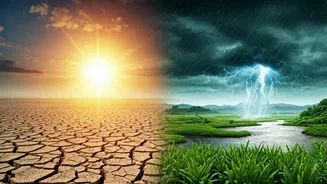
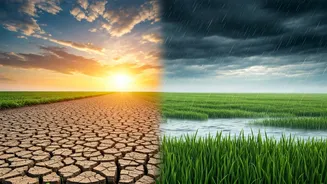
For centuries, India has moved to the predictable rhythm of the monsoon. But climate change is rewriting this annual script. The monsoon is not just about the total volume of rain anymore; it's about timing and intensity. Scientific evidence shows a disturbing
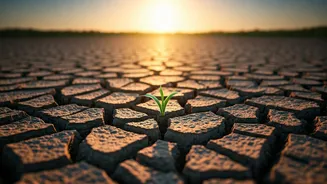
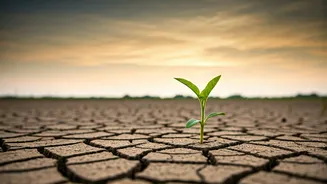
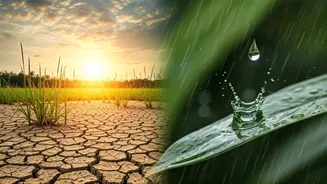
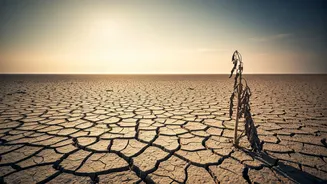
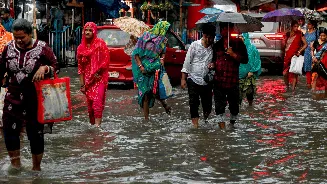
trend: delayed onsets, long dry spells, and sudden, intense bursts of extreme rainfall are becoming the new normal. Instead of a steady, season-long shower that nourishes crops, India is increasingly facing what experts call a collapse of timing. A weak start to the monsoon, as seen in June 2026 with a significant rainfall deficit, can delay the crucial sowing of kharif crops. This unpredictability creates immense challenges for farmers who depend on the rain to plant everything from rice and pulses to vegetables.
From Stressed Fields to Shaky Supply
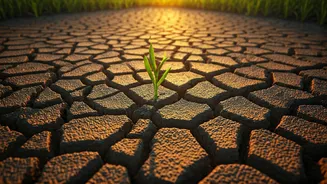
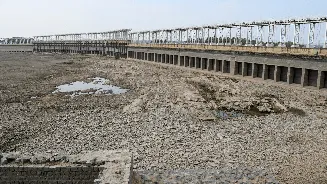
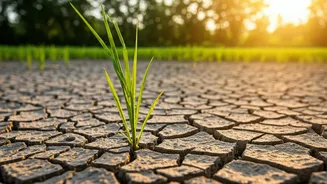
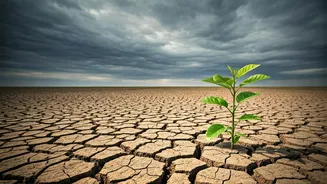
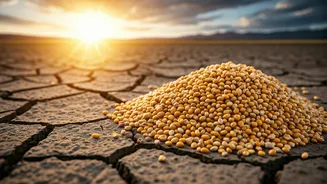
The immediate victims of this erratic rainfall are India's crops, particularly the rain-fed kharif crops sown during the monsoon season. These include staples like rice, pulses (like tur dal), soybeans, and vegetables, which are highly sensitive to weather shocks. A delayed start to the rains stresses seedlings, while sudden, heavy downpours can wash away young plants entirely. Conversely, prolonged dry spells during critical growth stages can shrivel crops and drastically reduce yields. In 2023, a below-normal monsoon led to a smaller sown area for pulses and oilseeds. This year, with a weak monsoon expected to El Niño, crops like tur dal, soybean, and onions are at high risk, especially in the less-irrigated regions of Maharashtra, Karnataka, and Madhya Pradesh. This directly translates to lower agricultural output, creating a supply shortfall even before the produce leaves the farm.
The Unavoidable Ripple Effect on Prices
When crop yields fall, the basic economic principle of supply and demand kicks in, leading to higher prices. This journey from farm to fork involves a clear chain reaction. Lower production leads to reduced supply in wholesale markets (mandis). This scarcity drives up the prices that retailers have to pay. Ultimately, these increased costs are passed on to the consumer at the local kirana store or vegetable cart. Perishable items like tomatoes, onions, and potatoes are especially vulnerable. For instance, heavy rains in key growing regions have previously caused tomato production to fall, leading to price spikes in markets across the country. Data from May 2026 already shows a significant 48.4% year-on-year inflation for tomatoes, a direct consequence of weather disruptions. Studies by the Reserve Bank of India confirm that changes in rainfall can raise vegetable inflation by over a percentage point, making climate shocks a recurring driver of high food bills.
More Than Just a Kitchen-Table Problem
Rising food prices are not just an inconvenience; they have a significant impact on the wider economy. Food and beverages constitute a large portion of India's Consumer Price Index (CPI), accounting for about 45.86%. This means that a spike in food prices can push overall national inflation higher, affecting household savings and purchasing power. The Reserve Bank of India has repeatedly flagged abnormal weather as a major risk factor for the economy. Persistent food inflation, driven by these repeated climate shocks, challenges the central bank's ability to manage price stability. Furthermore, to protect consumers and ensure food security, the government may be forced to implement measures like banning exports, as was done with rice in the past, or importing goods to stabilise domestic markets, which has its own economic consequences.
Adapting to the New Climate Reality
Tackling the impact of erratic monsoons requires a multi-pronged approach. Experts and policymakers are focusing on building resilience in the agricultural sector. This includes promoting the use of drought- and heat-resistant crop varieties that can better withstand unpredictable weather. Investing in climate-resilient infrastructure, such as better irrigation, water conservation techniques, and improved storage facilities like refrigerated transport, can also help mitigate losses and stabilise supply. The government is also working on contingency plans for districts identified as vulnerable to low rainfall, preparing strategies that include promoting alternative crops and adjusting sowing schedules. These long-term adaptation strategies are becoming critical to protect both farmers' livelihoods and consumers' wallets in an era of climate uncertainty.