








The Engine Room of the Digital Age
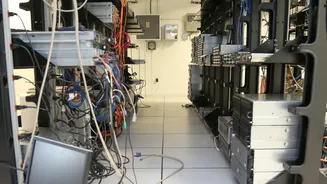
Data centres are the physical backbone of the internet. They are secure, purpose-built facilities filled with thousands of computer servers, storage systems, and networking equipment that process, store, and distribute the data behind our digital lives.
For years, their energy consumption was a quiet success story; while computing volumes exploded, efficiency gains in hardware and cooling kept overall power demand relatively flat. However, this stable pattern has been decisively broken. The global electricity consumption from data centres was estimated at around 415 terawatt-hours (TWh) in 2024, or about 1.5% of the world's total. But this figure is now set for a dramatic surge.
The AI Boom's Unprecedented Thirst for Power
The primary driver of this escalating demand is the rapid rise of Artificial Intelligence, especially generative AI. Training and running AI models are incredibly energy-intensive processes. Unlike traditional computing tasks that have variable loads, AI workloads often run at maximum capacity 24/7. This requires server racks with much higher power density—where a conventional rack might draw 5-10 kilowatts (kW), an AI rack can demand ten times that amount. This intense, constant power draw not only consumes vast amounts of electricity but also generates extreme heat, requiring even more energy for advanced cooling systems.
A Sobering Forecast by the Numbers
The International Energy Agency (IEA) has put concrete numbers to this trend. In its base case scenario, the IEA projects that global electricity consumption from data centres will more than double, reaching approximately 945 TWh by 2030. This would represent nearly 3% of projected global electricity demand. The growth is heavily concentrated, with the United States and China expected to account for nearly 80% of the increase. While tech companies are major investors in renewable energy, the sheer speed and scale of this demand growth means fossil fuels, particularly natural gas and coal, are expected to meet over 40% of the additional electricity needs until 2030.
The Challenge and Opportunity for India
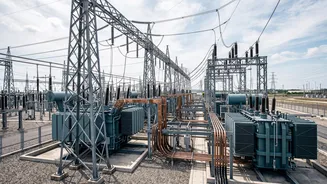
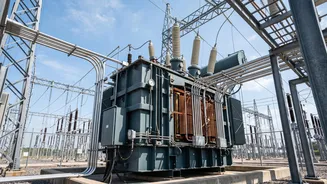
This global trend has significant implications for India, which is experiencing its own data centre boom, fueled by the 'Digital India' initiative and rising digital consumption. Projections for India's data centre capacity growth are dramatic, with some estimates suggesting a five-fold increase by 2030. This rapid expansion presents a dual challenge: securing reliable power for these energy-intensive facilities while simultaneously pursuing ambitious national goals for renewable energy. The concentration of data centres in specific hubs could strain local power grids, creating bottlenecks and requiring substantial new investment in transmission infrastructure. Industry experts note that building the data centre is often faster than upgrading the power grid, creating a potential mismatch between supply and demand.
Can Technology Solve Its Own Problem?
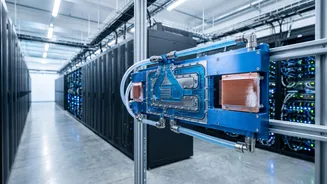
The industry is not standing still. A race is on to mitigate this surge in power consumption through innovation. Solutions being deployed include more energy-efficient hardware and server designs, and smarter software that optimises workloads. On the cooling front, which is a major source of energy use, operators are moving away from traditional air conditioning towards advanced methods like liquid cooling, which can be up to 40% more efficient. Tech giants are also among the largest corporate buyers of renewable energy, often financing new wind and solar farms through power purchase agreements (PPAs) to meet their sustainability targets. Furthermore, AI itself is being used to make data centres and power grids more efficient, creating a symbiotic relationship where the technology can help manage the problem it is creating.