
Working With India's Weather
The single most important factor for successful stargazing in India is the monsoon. This seasonal weather system blankets large parts of the country in cloud from roughly June to September, making astronomy nearly impossible. Therefore, the primary stargazing season for most of India is during
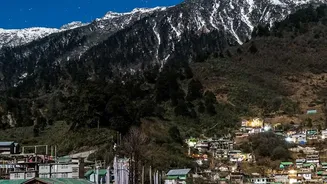
the dry, clear winter months, typically from October to February. High-altitude regions like Ladakh and Spiti Valley are an exception; they lie in a rain-shadow area, making them accessible and clear from May to September when the rest of the country is wet. For areas like the Western Ghats or the deserts of Gujarat and Rajasthan, the post-monsoon and winter periods offer the most reliable viewing conditions.
Picking Your Perfect Dark Sky Spot
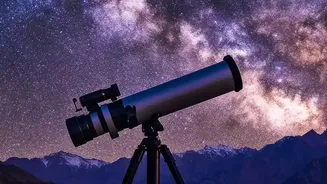
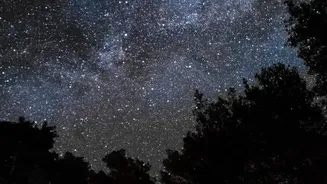
Once you know the right season, you can choose a location. India boasts several world-class stargazing destinations. Hanle in Ladakh is the crown jewel, home to India's first official Dark Sky Reserve, offering pristine, high-altitude conditions. At over 4,500 metres, it provides exceptionally clear skies, with over 250 clear nights annually. Spiti Valley in Himachal Pradesh offers a similar cold-desert environment with minimal light pollution and is another top choice for serious observers. For those seeking more accessible options, the Rann of Kutch in Gujarat provides a surreal, flat landscape with vast, dark skies during its festival season from October to February. In the south, Coorg in Karnataka offers dark skies from its high-altitude coffee plantations, especially from November to March.
Essential Tools for the Sky Watcher
Modern technology makes predicting clear skies easier than ever. Standard weather apps are useful, but for astronomy, you need tools that focus on cloud cover, atmospheric 'seeing' (stability), and transparency. Apps like Clear Outside, Astrospheric, and Ouranos are designed for astronomers and provide detailed hourly forecasts on these crucial factors. These tools can help you identify a clear window of a few hours, even on a night with intermittent clouds. They also provide information on moonrise and moonset times, which is critical for planning. The best stargazing happens on moonless nights, so always check a lunar calendar and plan your trip around the new moon for the darkest possible skies.
Escaping the Glow of City Lights
Beyond weather, the biggest obstacle to a star-filled night is light pollution. Even on a perfectly clear night, the glow from a nearby city can wash out all but the brightest stars. To find true darkness, use an online light pollution map like lightpollutionmap.info. These maps use a colour-coded system, often the Bortle Scale, to show the level of artificial brightness. Areas marked as blue, grey, or black are ideal. Use these maps to find remote parks, wildlife sanctuaries, or desert locations far from major urban centers. Even a drive of an hour or two away from a city can make a dramatic difference in what you can see overhead.
Packing for a Night Under the Stars
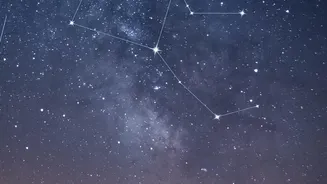
Your packing list will depend on your destination, but some items are universally essential. Nights can get surprisingly cold, even in the desert, so always pack warm layers. A red flashlight is crucial; red light affects your night vision far less than white light, allowing your eyes to stay adapted to the dark. While the naked eye is enough to enjoy a truly dark sky, a pair of binoculars can dramatically enhance the view, revealing star clusters and the faint glow of distant galaxies. Finally, a star chart or a smartphone app can help you identify the constellations and planets you are seeing, turning a simple viewing session into a genuine exploration of the cosmos.