

More Than Just a Ritual
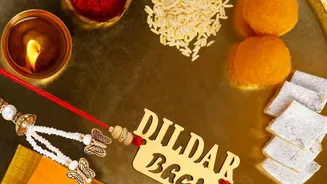
Bhai Dooj, celebrated on the second lunar day after Diwali, honours the sacred bond between brothers and sisters. At its heart is the 'tilak' or 'tika' ceremony, where a sister applies a vermillion mark on her brother's forehead, performs an aarti, and prays
for his long life and prosperity. This ritual is rooted in mythology, most famously in the story of Yama, the God of Death, visiting his sister, the river goddess Yamuna. Moved by her hospitality, Yama declared that any brother receiving a 'tilak' from his sister on this day would be blessed with longevity. Following these prayers, the offering of sweets is not just a custom but a profound expression of love, signifying the sweetness and joy of the sibling relationship.
The Taste of Tradition
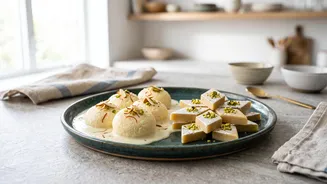
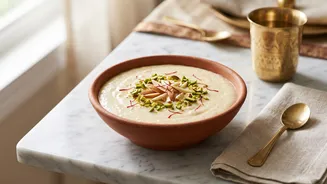
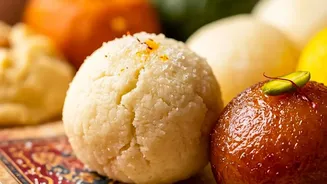
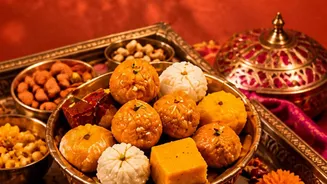
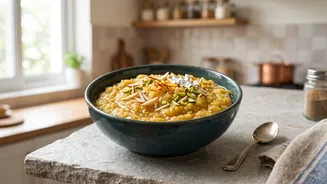
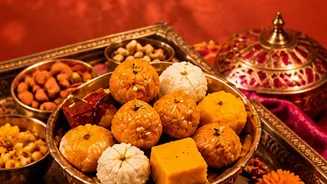
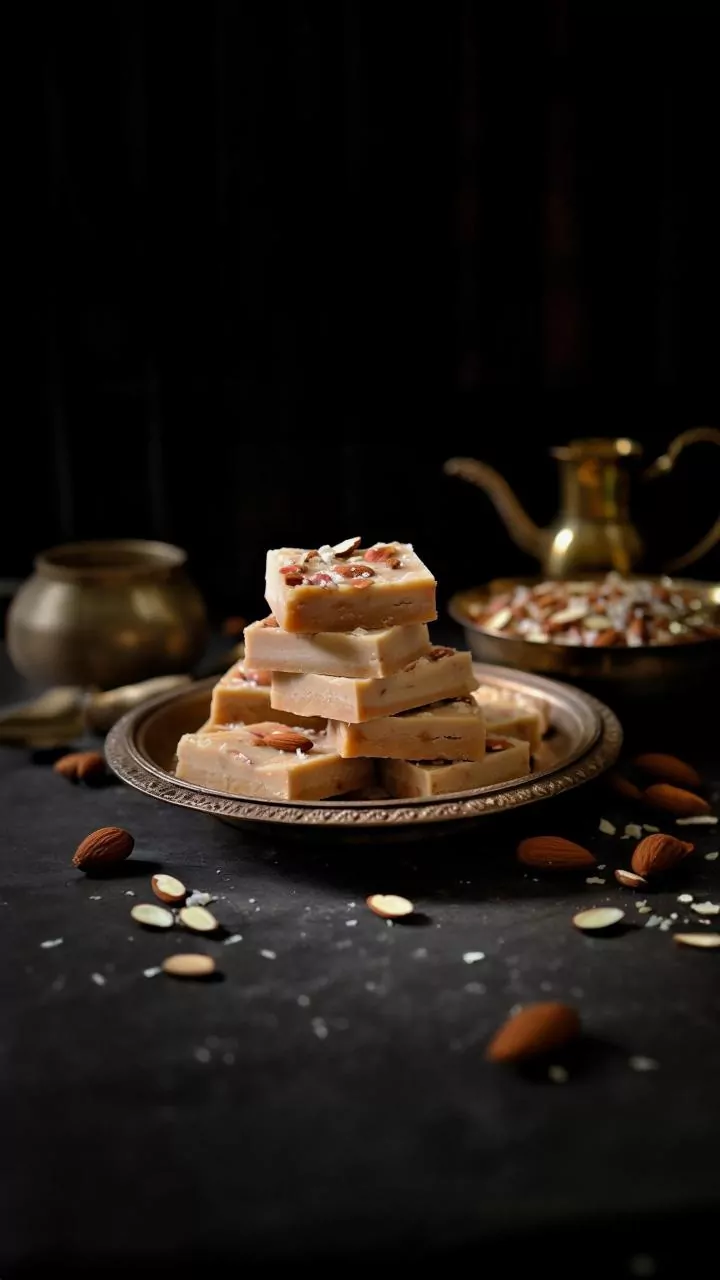
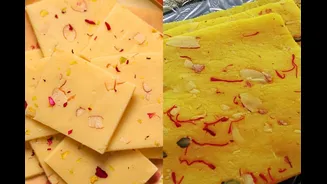
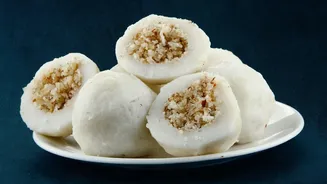
While the market is flooded with endless varieties of mithai, certain sweets hold a special place in the Bhai Dooj thali. Kheer, a creamy rice pudding, is a timeless classic, considered auspicious and pure in Hindu traditions. Its white colour is symbolic of peace and sattvic qualities, making it a common offering in festivals. Ladoos, whether made from besan, coconut, or motichoor, are another staple, their round shape symbolizing completeness. In Maharashtra, the celebration, known as Bhau Beej, might feature Puran Poli or Basundi. In Bengal, where the festival is called Bhai Phonta, Sandesh and Rasgulla are often the stars of the feast. These regional specialties highlight India's diverse culinary landscape, all unified by a shared sentiment of love.
Homemade: The Secret Ingredient is Love
In an age of convenience, buying sweets is easy, but the tradition of preparing them at home carries a weight of its own. The act of cooking a brother’s favourite sweet is a deliberate expression of care, an intimate gesture that store-bought boxes cannot fully replicate. The kitchen transforms into a festive space, filled with the aromas of roasting besan, simmering milk, and fragrant cardamom. These sensory details become intertwined with memories, passed down through generations. A recipe is rarely just a set of instructions; it is a memory of a grandmother's technique or a mother's specific touch, making the final dish a carrier of family history and tradition. Preparing food at home is an investment of time and effort, a tangible manifestation of affection that reinforces the sibling bond.
A Modern Take on Festive Cooking
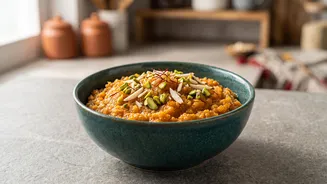
The pressures of modern life, however, have reshaped how traditions are observed. For many, spending hours in the kitchen is a luxury they cannot afford. This has led to a practical middle ground: a mix of homemade and store-bought sweets often finds its way into celebrations. Some families choose to prepare one or two simple, signature dishes at home, like Coconut Ladoos made with condensed milk or a quick Sooji Halwa, while relying on their favourite local confectioner for the rest. Others are exploring healthier adaptations of classic recipes, using jaggery instead of refined sugar or incorporating nutrient-rich nuts and seeds. This evolution doesn't diminish the spirit of the festival. Instead, it shows how traditions adapt, proving that the essence of Bhai Dooj lies in the shared moments of togetherness, whether the sweets are made from scratch or chosen with care.