


More Than Just Another Ingredient
For years, mushrooms were the humble sidekick in the Indian kitchen—chopped into a pulao, scattered over a pizza, or swimming in a generic gravy. But now, the fungus is getting its star turn. Across India, from high-end restaurants in Mumbai to cloud
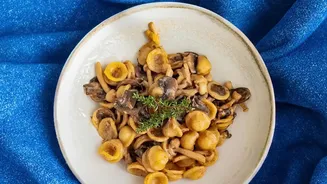
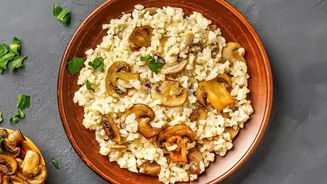
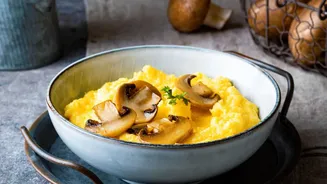
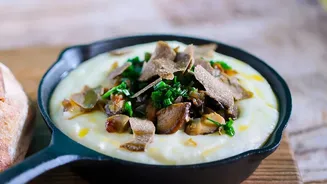
kitchens in Bengaluru and home kitchens everywhere, mushrooms are being reimagined. They are no longer just an addition but the main event, celebrated for their meaty texture and their unique ability to absorb and enhance flavour. Dishes like creamy mushroom stroganoff, rich mushroom masala, and even mushroom galouti kebabs are becoming staples, proving that this versatile ingredient can deliver the satisfying, soulful experience we crave from comfort food.
The Umami Revolution
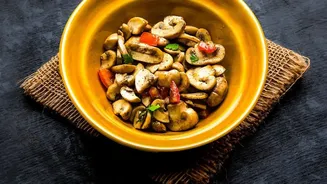
The secret to the mushroom's success lies in one powerful word: umami. Often called the fifth taste, umami is that deep, savoury flavour that makes food satisfying and mouth-watering. Mushrooms are naturally rich in glutamates, the compounds that trigger this sensation. When cooked, especially when browned or caramelised, their umami-ness intensifies, providing a depth of flavour that was once thought to be the sole domain of meat. This makes them a game-changer in vegetarian and vegan cooking. A well-cooked mushroom curry, pepper fry, or biryani can offer the same hearty satisfaction as its meat-based counterparts, making it a delicious bridge for those looking to eat more plant-based meals without sacrificing flavour.
Meet the New Audience
So, who is driving this mushroom mania? The new audience is a diverse mix. It includes health-conscious millennials and Gen Z who are actively looking for nutritious, low-calorie options. It's also powered by the growing number of flexitarians in India—people who aren't strictly vegetarian but are consciously reducing their meat intake for health or environmental reasons. Mushrooms are a perfect fit. They are low in calories and sodium, packed with B vitamins, and one of the few natural, non-animal sources of vitamin D. Their low environmental footprint, requiring minimal water and land for cultivation, also appeals to a generation increasingly concerned with sustainability.
From Kadai Mushroom to Mushroom Stew
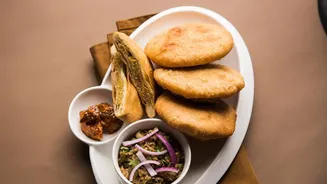
The beauty of this trend is its versatility across India's diverse culinary landscape. In the north, robust dishes like Kadai Mushroom and Matar Mushroom have long been favourites, but are now being appreciated for their hearty, comforting qualities. Indo-Chinese preparations like Chilli Mushroom also remain a crowd-pleaser. In the south, chefs and home cooks are creating stunning dishes like Mushroom Chettinad, with its bold, fiery spices, and gentle, coconut-based Mushroom Stew, perfect with soft appams. Even the classic dosa is getting a modern update with a savoury mushroom filling instead of the traditional potato masala. This adaptability ensures that mushrooms feel right at home in any Indian comfort food setting.
A Staple in the Modern Indian Kitchen
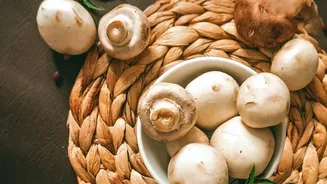
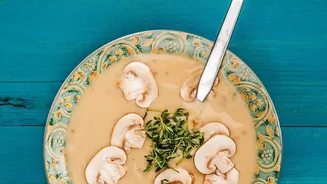
The rise of the mushroom isn't just a restaurant phenomenon; it's happening in our homes. The increased availability of different varieties like shiitake, portobello, and oyster mushrooms, beyond the standard button mushroom, has inspired home cooks to experiment. Social media is filled with recipes, from quick mushroom stir-fries to elaborate weekend meals. This shift is also supported by culinary personalities like chef Satish Sridhar, who is on a mission to popularise mushrooms in traditional Tamil cuisine, and Sanjeev Kapoor, who shares comforting recipes like mushroom and turmeric soup. This growing familiarity and appreciation are cementing the mushroom's place as a modern kitchen staple, not just a fleeting trend.