

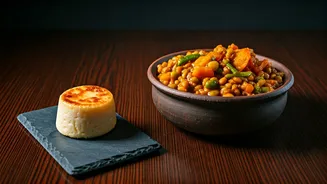




The Himalayan Hearth: Kumaon, Uttarakhand
High in the mist-laden hills of Kumaon, the kitchen is a simple, sacred space, often centred around a wood-fired 'chulha'. This isn't just a stove; it's the heart of the home, providing warmth and sustenance. The cuisine is a reflection of the rugged
landscape: robust, nutritious, and deeply comforting. Imagine a steaming bowl of 'bhatt ki churkani', a soulful black bean curry thickened with rice flour, or 'gahat' (horse gram) dal, a powerhouse of protein perfect for cold mountain nights. Vegetables are seasonal and locally grown, and meals are often accompanied by 'mandua ki roti', a rustic flatbread made from finger millet. Experiencing a Kumaoni kitchen, perhaps at a village homestay, is about understanding a life of simplicity, resilience, and a profound connection to the land. The flavours are subtle, earthy, and unforgettable.
The Spice Mansions: Chettinad, Tamil Nadu
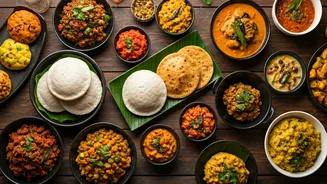
Travel south to the opulent region of Chettinad, where the kitchens are as grand as the famous mansions they inhabit. The Chettiars, a community of prosperous traders, developed a cuisine renowned for its complexity and aromatic depth. A Chettinad kitchen is a masterclass in spice blending. Star anise, stone flower ('kalpasi'), and dried flower pods ('maratti mokku') are used alongside more common spices to create layered, pungent flavours. The signature dish, Chicken Chettinad, is famous worldwide, but the true magic lies in the lesser-known preparations: fiery fish curries, intricate vegetable 'mandis', and delicate steamed rice cakes. The experience is about precision and abundance. Mealtimes are elaborate affairs, served on a banana leaf with a dizzying array of dishes, each one a testament to a culinary heritage built on global trade and local tradition.
The Coastal Blend: A Goan Catholic Home
In the sun-drenched lanes of Goa, the Catholic kitchen tells a story of cultural fusion. For over 450 years, Portuguese influences have mingled with local Konkani traditions, creating a cuisine that is tangy, spicy, and utterly unique. The key ingredients are a testament to this history: coconut, rice, and fresh seafood from the Arabian Sea meet the vinegars, chilies, and bread-making techniques brought by the Portuguese. A home kitchen here is likely to be filled with the scent of 'vindaloo' paste being ground, 'sorpotel' simmering gently for days to develop its flavour, or the sweet aroma of 'bebinca', a layered coconut cake, baking in a traditional earth oven. To eat in a Goan home is to taste history—a delicious blend of East and West, served with warm, laid-back hospitality that the region is famous for.
The Urban Legacy: A Parsi Kitchen in Mumbai
Hidden within the bustling metropolis of Mumbai are the kitchens of the Parsi community, descendants of Zoroastrians who fled Persia centuries ago. Parsi food is a delightful culinary melting pot, combining Persian love for nuts, dried fruits, and eggs with the spices and ingredients of Gujarat and Maharashtra. A typical Parsi kitchen is a study in organised chaos, producing iconic dishes that balance sweet, sour, and spicy notes ('khattu mithu'). Think of 'dhansak', a complex curry of lentils, vegetables, and meat served with caramelised brown rice, or 'patra ni machchi', fish steamed in a green chutney and wrapped in a banana leaf. Eggs are a beloved staple, appearing in dishes like 'akuri' (spicy scrambled eggs) for breakfast. Exploring a Parsi kitchen, often through a community feast or a specialised caterer, is a journey into the heart of a vibrant, resilient culture that has carved its own unique identity in India.