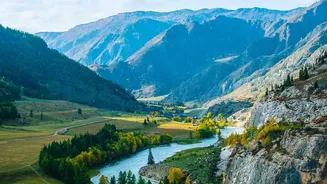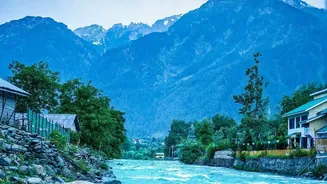


Why Choose Shoja This Autumn?
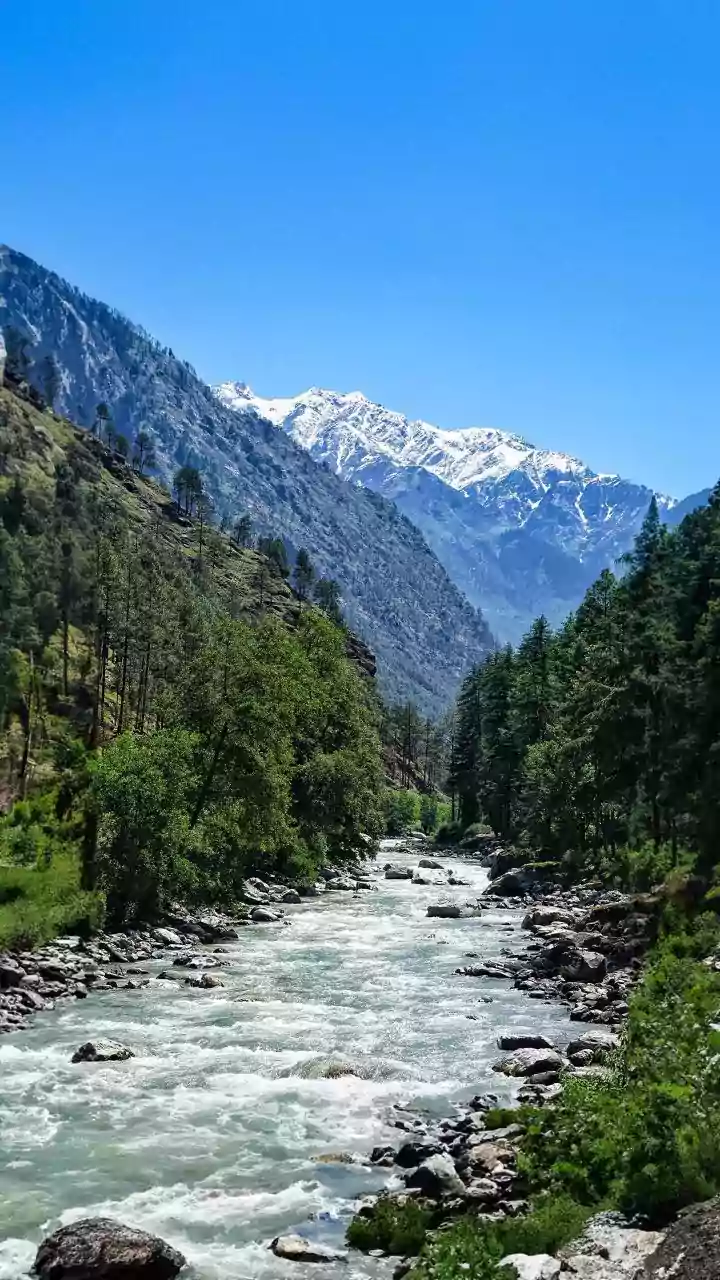
Unlike its bustling neighbours, Shoja is a destination for slow travel, where the main attractions are the profound silence and the panoramic views of the Himalayas. Autumn, from September to November, is arguably the best time to visit. The monsoon rains
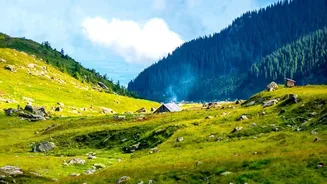
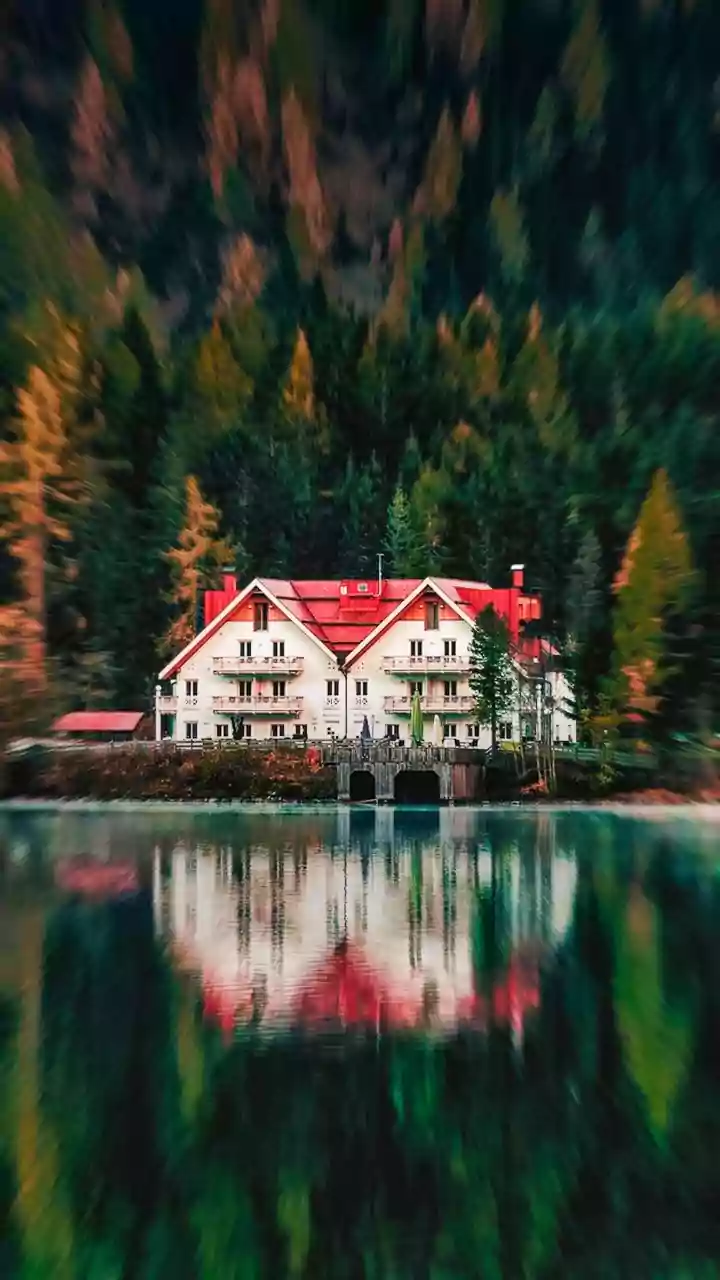
have washed the landscape clean, leaving behind lush greenery and clear, crisp skies. This season is ideal for photography and outdoor activities, as the roads are generally stable and the daytime weather is comfortably cool before the deep chill of winter sets in. It's a time when you can truly soak in the quiet charm of the village, watching mist roll through the deodar and oak forests from the balcony of a rustic homestay.
Trekking to Serolsar Lake and Jalori Pass
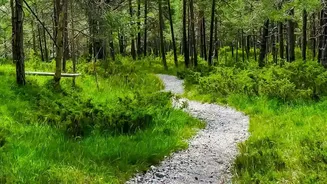
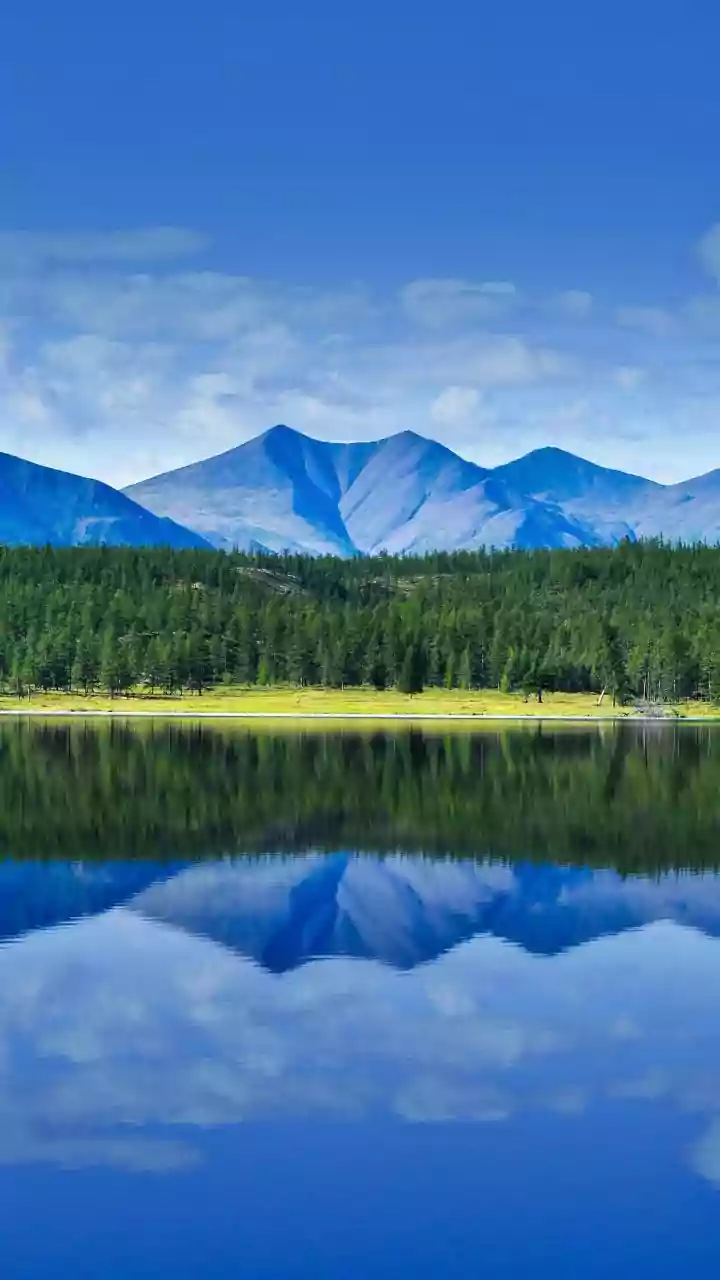
Shoja's main draw is its proximity to the majestic Jalori Pass, situated at an altitude of 3,120 metres, just a short 5 km drive away. The pass itself offers breathtaking views and serves as the starting point for two of the region's most rewarding treks. The most popular of these is the 5 km trail to Serolsar Lake. This beginner-friendly walk takes you through a dense forest of oak and deodar trees on a mostly flat path. After about two hours, you arrive at the serene high-altitude lake, which is considered sacred by locals and has a small temple dedicated to Budhi Nagin on its banks. It’s the perfect spot to enjoy a packed lunch and the tranquil atmosphere before heading back.
The Historic Raghupur Fort Trail
For those seeking more dramatic, panoramic views, the trek to Raghupur Fort is a must-do. This trail also begins at Jalori Pass but heads in the opposite direction of Serolsar Lake. The 3 km trek is a bit steeper but leads you through beautiful forests to an open meadow crowned with the ruins of an ancient fort, believed to have been built by Mandi rulers. From the top, at an elevation of about 3,540 metres, you are rewarded with a stunning 360-degree vista of the surrounding Himalayan ranges, including the Dhauladhar and Kinnaur peaks on a clear day. The fort itself is mostly in ruins, but the combination of history and expansive scenery makes this a truly memorable hike.
How to Reach Your Mountain Haven
Shoja is well-connected by road, though it requires a bit of a journey. The most common route from Delhi (approximately 500 km) is to drive or take an overnight bus towards Manali. You'll need to get off at Aut, a small town before the main tunnel to Kullu, and then take a local bus or taxi for the final leg through Banjar and Jibhi to Shoja. The road from Aut into the Banjar Valley is scenic and winds along the Tirthan River before climbing steeply towards Shoja. The nearest airport is Kullu-Manali Airport in Bhuntar, about 65-70 km away, from where you can hire a taxi for the 2-2.5 hour drive. For train travellers, the most practical major railhead is Chandigarh, from where you can continue by bus or car.
Where to Stay and What to Expect
Accommodation in Shoja is all about rustic charm and immersive nature experiences. You won't find large luxury hotels here. Instead, the village is dotted with charming homestays, guesthouses, and a few popular hostels like Zostel and Moustache. Many stays offer stunning mountain views right from your room. These places provide a chance to experience local hospitality and enjoy home-cooked Himachali meals. Life in Shoja is simple and unhurried. There's limited mobile connectivity, which encourages you to disconnect and embrace the peaceful surroundings. It’s the perfect setting to read a book, go for long walks in the woods, and simply be present in the moment.