






The Allure of the 'Self-Connection'
In the world of travel hacking, the 'self-connection' is a popular strategy. It involves buying two or more separate, unrelated flight tickets to create your own itinerary instead of purchasing a single, connected journey from an airline. For instance,
you might book a cheap flight from Mumbai to Dubai on one airline, and then a separate ticket from Dubai to London on another. The appeal is obvious: significant cost savings. By mixing and matching airlines, especially with low-cost carriers, travellers can often build a route for a fraction of the price of a traditional ticket. This method also opens up more flight options and schedules. However, these two tickets are independent contracts. In the airline's eyes, your journey from Mumbai ends in Dubai. Your trip to London is a completely separate event. This distinction is where the risk begins.
The Domino Effect of a Single Delay
When you book a single ticket with a connection, the airline is responsible for getting you to your final destination. If your first flight is delayed and you miss your connection, the airline must rebook you on the next available flight, often free of charge. With separate tickets, you have no such protection. If your first flight is delayed by even an hour, causing you to miss your second flight, the second airline owes you nothing. They will simply mark you as a 'no-show'. This means you forfeit the entire value of your ticket and are left stranded. Your only option is to buy a new, last-minute ticket to your final destination, which is often exorbitantly expensive and completely wipes out any initial savings. What started as a clever way to save money can quickly become a financial disaster.
The Hidden Hassle of Baggage and Security
Beyond the risk of delays, self-connecting introduces logistical hurdles. With separate tickets, your baggage will almost never be checked through to your final destination. This means you must go through the full arrival process at your connecting airport: deplane, clear immigration (if international), wait at the carousel for your luggage, go to the departures area, find the check-in desk for your next airline, re-check your bags, and go through security screening all over again. This entire process can easily take two to three hours, even without unexpected queues. A seemingly comfortable three-hour layover can evaporate quickly, leaving you sprinting to your gate. Flying without checked baggage makes this process easier, but for most travellers, this isn't a practical option.
So, How Long Is a 'Safe' Buffer?
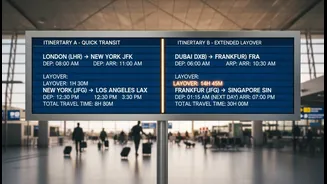
Standard minimum connection times provided by airports do not apply to self-transfers; they are designed for protected connections on a single ticket. For a self-connection, you are your own safety net. Travel experts recommend a minimum buffer of three to four hours for a domestic self-transfer and at least four to six hours for an international one. This accounts for potential flight delays, disembarking time, baggage claim, re-checking in, and passing through immigration and security. If you are flying through a notoriously busy airport or during peak season, adding even more time is wise. Some seasoned travellers even refuse to book self-connections on the same day, opting for an overnight stay to eliminate the risk entirely. This transforms the layover from a stressful race into a mini-trip.
That 'Wasted' Time Is Your Insurance Policy
The idea of spending six hours at an airport might sound like 'wasted time,' but it's more accurate to think of it as a self-purchased insurance policy. That extra time is your protection against losing hundreds or thousands of rupees and ruining your travel plans. Instead of sitting anxiously at the gate, a long layover can be productive. Use the airport lounge, catch up on work, enjoy a relaxed meal, or even take a short trip into the city if the layover is long enough and visa rules permit. The money you save on the ticket can be partially invested in making the layover comfortable. A few hours of managed boredom is a small price to pay to ensure your hard-earned vacation doesn't end before it has even properly begun.