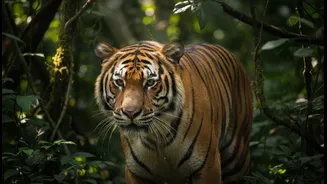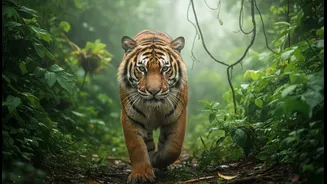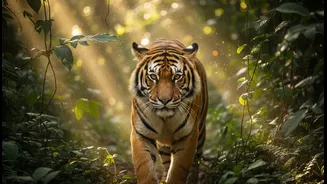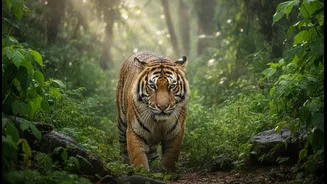







Core vs. Buffer: Understanding the Blueprint
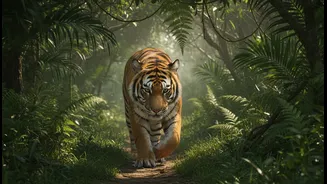
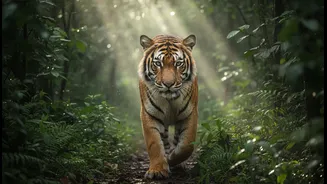
Every major national park and tiger reserve in India is structured into zones to balance conservation and human activity. The core area is the heart of the park, a strictly protected sanctuary where wildlife thrives with minimal human interference. This
is the critical habitat, legally protected to be inviolate, and it’s where animal density, especially for large predators like tigers, is typically highest. Encircling this is the buffer zone. Think of it as a protective layer or a shock absorber. The buffer acts as a transition area between the highly protected core and the outside world of villages and agriculture. Rules are more relaxed here, allowing for regulated tourism and some use by local communities. Animals, of course, don't recognize these man-made lines and move freely between zones.
The Allure of the Easy Safari
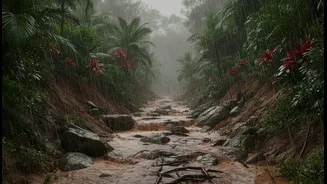
The appeal of a buffer safari is primarily convenience and cost. Core zone permits, especially in popular parks like Ranthambore, Corbett, or Kanha, are limited and can sell out months in advance. This creates a high-demand, high-stress booking process. Buffer zones offer an easier alternative. Permits are more readily available, often at a lower price, making them a tempting option for last-minute planners or budget-conscious travelers. During peak seasons or monsoon when some core zones are closed, buffer areas remain accessible. For many, the simple logic is that a safari in the buffer is better than no safari at all, and since animals cross boundaries, there's always a chance for a spectacular sighting.
The On-the-Ground Reality
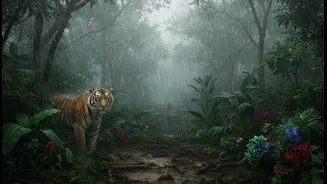
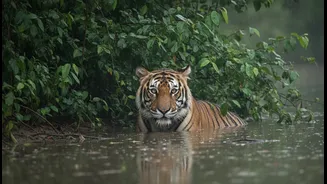
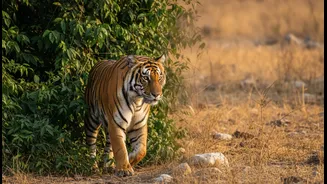
While tiger sightings can and do happen in buffer zones, it's crucial to set realistic expectations. The probability of seeing apex predators is generally lower than in the core. The habitat itself can be different, often a mix of forest, farmland, and areas with more human presence, which may not feel as pristine. You might see more signs of human life, like cattle grazing, which is permitted in many buffer areas. The experience can also feel less regulated. While core zones have a fixed number of jeeps and strict rules, buffer safaris can sometimes feel more crowded or chaotic, though in some less-popular zones, the opposite is true, offering a more peaceful drive. The key takeaway is that the experience is fundamentally different—it's not just a 'core zone lite'.
More Than Just Tiger Spotting
Buffer zones were not created to be a second-best option for tourism. Their primary role is conservation. They provide crucial extra space for a growing wildlife population spilling out of the core, helping to reduce human-animal conflict. They also serve as vital corridors that connect different protected areas, allowing for genetic exchange between animal populations. Furthermore, sustainable tourism in buffer zones is designed to involve and benefit local communities, providing livelihoods through roles like guides and homestay operators, giving them a direct stake in protecting the forest. Unregulated or purely commercially-driven tourism can undermine these goals, turning a vital conservation tool into just another crowded tourist spot.
So, Who Should Choose a Buffer Safari?
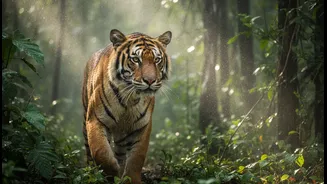
A buffer safari is not a bad choice, but it must be the right choice for your specific goals. If your trip's success is defined solely by seeing a tiger, investing the time and money to book a core zone safari is your best bet. However, if you are a birder, a nature enthusiast interested in the entire ecosystem, or someone looking for a quieter, more relaxed forest experience away from the crowds, a buffer zone can be incredibly rewarding. They are excellent for nature walks (where permitted), learning about the coexistence of humans and wildlife, and for photography of landscapes and diverse species beyond just the big cats. Some parks, like Tadoba, have buffer zones with such high wildlife density that they have become prime destinations in their own right.