







The Paradox of Modern Travel
We book trips to escape the daily grind, yet many of us return feeling more depleted than when we left. The modern travel experience can be a frantic checklist of flights, transfers, and photo opportunities. This high-speed tourism not only contributes
to stress but also carries a significant environmental cost, with tourism accounting for a substantial portion of global carbon emissions. The pressure to 'do it all' often leads to over-tourism, which strains local resources and diminishes the very beauty we travel to see. This cycle of consumption-driven travel leaves us with a high-stress, high-impact holiday that feels less like a restorative break and more like a logistical exercise. Breaking this cycle starts with rethinking our relationship with travel itself.
Slow Down to Experience More
The antidote to this travel burnout is a philosophy known as 'slow travel'. This approach encourages staying in one place for longer, prioritising depth over distance. Instead of a whirlwind tour of multiple cities, you might spend a week exploring a single region. This isn't about being lazy; it's about being present. Psychologically, this shift is profound. By removing the constant pressure to move on, your nervous system gets a chance to relax and exit the 'fight-or-flight' mode associated with tight schedules and travel stress. Studies have shown that travellers who spend more time in fewer places report higher levels of well-being and lower stress. It’s a move from being a tourist who simply sees things to a traveller who truly experiences them.
Rethink Your Ride
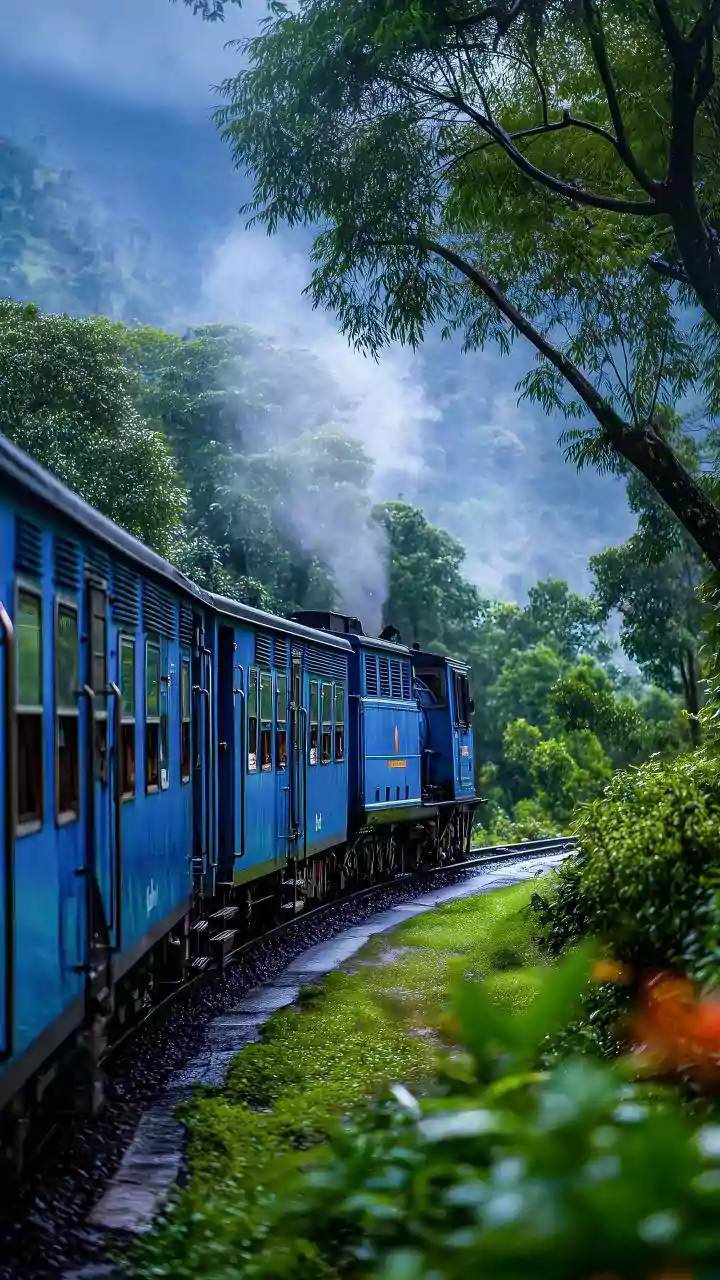
Transportation is often the largest part of a trip's carbon footprint. But choosing lower-carbon options doesn't have to be a sacrifice. In fact, it can be a core part of the adventure. In India, for example, opting for a train journey over a short-haul flight dramatically cuts emissions and offers a completely different experience. Gazing out of a train window allows you to see the landscape change, engage with fellow travellers, and arrive at your destination feeling more connected to the country. For shorter distances, using public buses or even cycling can introduce you to hidden gems you’d miss from a taxi. The journey itself becomes a memorable part of the story, not just a means to an end.
Stay Local, Eat Local, Feel Local
A climate-aware trip naturally steers you towards more authentic experiences. Choosing to stay in locally-owned homestays or eco-lodges with sustainability certifications not only reduces your environmental impact but also puts money directly into the community. These smaller establishments often provide a richer cultural connection than large, anonymous hotels. The same principle applies to food. Seeking out local markets and family-run eateries reduces food miles and offers a true taste of the region. This approach helps you avoid tourist traps, which are often sources of both stress and environmental waste. By integrating into the local rhythm, you cultivate a sense of belonging that is deeply relaxing and fulfilling.
Adventure That Gives Back
Climate-conscious travel is full of adventure. Low-impact activities are often the most thrilling. Think trekking through pristine forests, kayaking down a quiet river, or snorkelling to learn about coral conservation. These activities connect you directly with nature, which has proven benefits for mental health, including reduced anxiety and a boosted mood. Many organisations now offer adventures that actively contribute to conservation, like ethical wildlife watching that supports habitat protection or volunteer opportunities with marine research groups. This kind of adventure provides more than just an adrenaline rush; it offers a sense of purpose and the knowledge that your presence is a positive force, making the experience more profound and memorable.