




The Right Rainwear System
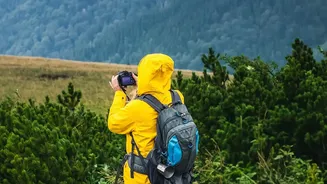
Forget that flimsy poncho you bought at a tourist spot. For the Ghats, you need a two-part system: a reliable waterproof jacket and rain pants. A simple rain jacket keeps your torso dry, but on a trail with heavy downpours, water will run down and soak
your trousers, eventually seeping into your shoes. Look for gear that is not just 'water-resistant' but fully 'waterproof' with sealed seams. A jacket with a hood is non-negotiable. While ponchos can be useful for covering you and your backpack in one go, they offer less protection from wind and can snag easily on forest trails.
Footwear That Grips, Not Slips
Your regular sports shoes will not cut it on the slippery, moss-covered rocks and muddy trails of the monsoon-drenched Ghats. The single most important feature to look for is grip. Shoes with deep lugs and soft, gum rubber soles perform best on wet surfaces. Many experienced trekkers prefer quick-dry, non-waterproof trail shoes over heavy waterproof boots. While it sounds counterintuitive, waterproof boots can fill with water that runs down your legs and then take forever to dry. Quick-dry shoes with good drainage allow water to escape, and when paired with the right socks, keep your feet more comfortable.
Double-Layer Waterproofing for Your Bag
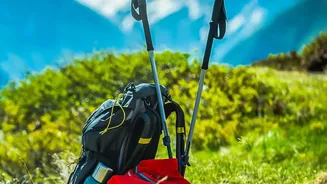
Even if your backpack claims to be water-resistant, hours of continuous rain will find a way through zippers and seams. The solution is a two-layer defence. First, use a dedicated rain cover for the outside of your pack. This is your primary shield. Second, and just as crucial, is to line the inside of your backpack with a large, heavy-duty plastic bag or use smaller, individual dry bags for your sensitive items. This ensures that your electronics, spare clothes, and food remain bone-dry even if the outer bag gets damp.
Clothing: Think Quick-Dry, Not Cotton
Cotton is your enemy on a monsoon trek. Once wet, it stays wet, gets heavy, and clings to your skin, making you feel cold and uncomfortable. Instead, pack clothes made from synthetic, quick-dry fabrics like polyester or nylon. These materials do not absorb much moisture and dry out rapidly, even in high humidity. Pack at least one extra set of clothes in a sealed dry bag. Having a completely dry set of clothes to change into at the end of a long, wet day is a massive morale booster and essential for staying warm.
Health, Safety, and Critter Protection
The monsoon brings out leeches, especially in the dense forests of the Western Ghats. A pair of anti-leech socks can be a trek-saver, preventing these critters from latching on. Carry a basic first-aid kit with essentials like antiseptic wipes, bandages, pain relievers, and any personal medications. It’s also wise to include supplies for blisters, which are common when your feet are constantly damp. An insect repellent will also be useful against mosquitoes and other bugs. Finally, always carry a torch or headlamp with extra batteries, as misty conditions can reduce visibility and it gets dark quickly in the forest.
Protecting Your Electronics
Your phone, camera, and power bank are vulnerable to both rain and humidity. Simple zip-seal plastic bags are an effective and cheap way to protect them from light rain and splashes. For better protection, invest in dedicated waterproof pouches or small dry bags. Always carry a fully charged power bank, as opportunities to charge devices may be limited. To combat humidity, which can damage electronics even without direct contact with rain, throw a few silica gel packets into the bags where you store your gadgets.