

Sachin Tendulkar
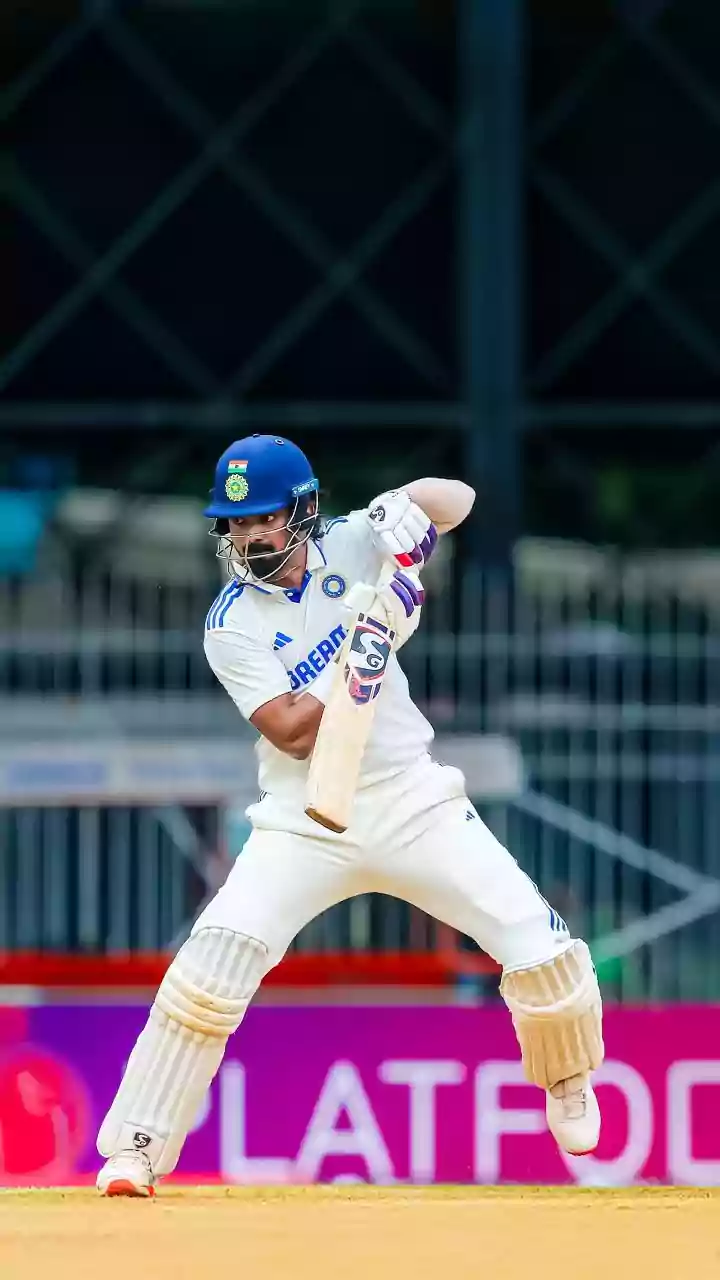
No discussion of cricketing prodigies is complete without Sachin Tendulkar. Making his Test debut at just 16 years old in 1989 against a fearsome Pakistani pace attack, he famously declined medical help after being hit in the face by a bouncer, instead
choosing to bat on. A year later, at 17, he scored his first Test century, a match-saving 119 not out against England in Manchester. Before he turned 23, Tendulkar had already scored Test centuries in England, Australia, and South Africa, marking him as a master batsman in all conditions. He became the youngest player to reach 1,000 Test runs at 19 and was the highest run-scorer at the 1996 World Cup, all before his 23rd birthday. His early career wasn't just about runs; it was about handling immense pressure and expectation with a maturity far beyond his years.
Sir Garfield Sobers
While many players score their first century in their early twenties, Sir Garfield 'Garry' Sobers turned his into a world record. In 1958, at the age of just 21, the West Indian all-rounder scored a monumental 365 not out against Pakistan. It was not only his first-ever Test century but also the highest individual score in Test history at the time, a record that stood for 36 years. Making his debut as a bowler at 17, Sobers' transformation into the world's premier all-rounder was cemented with this single innings. It was a display of immense concentration and skill that turned a precocious talent into a certified legend of the game, setting the stage for a career that would see him hailed as arguably the greatest all-rounder in cricket history.
Wasim Akram
Fast bowlers often take years to mature, but Wasim Akram was an exception. Plucked from club cricket, he made his Test debut for Pakistan in 1985 as a teenager and immediately showed his potential. In only his second Test match, he claimed a ten-wicket haul, signaling the arrival of a special talent. With a unique, whippy action, Akram mastered conventional and reverse swing at an age when most are just learning the basics. He quickly became a vital part of Pakistan's attack in both Test and ODI formats. By 23, he was already one of the most feared bowlers in the world, a key player in the team that would go on to win the 1992 World Cup, where his two crucial wickets in the final turned the game.
Kapil Dev
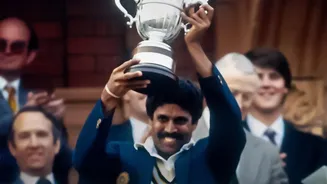
Before Kapil Dev, India was not known for producing world-class pace-bowling all-rounders. He changed that perception almost overnight. Making his debut at 19 in 1978, his impact was immediate. A natural athlete with a graceful action and aggressive batting style, he gave India a new dimension. By the time he was just 21 years old, Kapil had achieved the remarkable 'double' of 1000 runs and 100 wickets in Test cricket, becoming the youngest player in history to do so. This incredible feat, accomplished in just 25 matches, underlined his immense value to the team. It was a clear sign of the greatness that would follow, culminating in him leading India to a historic World Cup victory in 1983.
Sir Donald Bradman
Though he made his debut at 20, the period before Sir Donald Bradman turned 23 was perhaps the most statistically dominant burst any player has ever produced. On the 1930 Ashes tour of England, the 21-year-old was simply unstoppable. He scored 974 runs in the series, a record that still stands today. This included a triple century at Headingley, where he scored 309 runs in a single day, and a score of 254 at Lord's. His run-scoring was so prolific and so far beyond anything seen before that English cricket was forced to devise the controversial 'Bodyline' tactics specifically to counter him in the next series. To have redefined the game and terrified opponents at such a young age is the ultimate mark of preternatural greatness.