

The New Kitchen Calculus
The daily question of ‘what’s for dinner?’ is slowly being replaced by ‘what’s in our dinner?’. This marks a significant shift in a culinary culture celebrated for its rich, often indulgent, flavours. A growing awareness of lifestyle diseases, coupled
with unprecedented access to nutritional information, has prompted many Indian households to re-evaluate their plates. It’s a change driven not by the rejection of tradition, but by a desire to adapt it for a healthier future. Families are not just cooking; they are consciously curating their meals, questioning the amount of oil, the type of grain, and the method of preparation in a way that is becoming increasingly mainstream.
Small Swaps, Big Impact
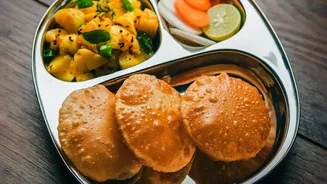
This nutritional makeover isn't about replacing buttery parathas with bland salads. Instead, it’s about making intelligent, sustainable swaps. White rice is increasingly sharing shelf space with millets like jowar and ragi, which have a lower glycemic index and higher fibre content. The deep fryer is making way for the air fryer, allowing families to enjoy favourites like samosas and pakoras with a fraction of the oil. In many homes, whole wheat flour is being blended with chickpea flour (besan) or millet flour to create rotis that are richer in protein and nutrients. Even traditional sweets are getting a light-handed treatment, with processed sugar being swapped for jaggery or dates, and portion sizes being mindfully reduced.
The Drivers of Change
Several factors are fuelling this health-conscious movement. A major catalyst is the rising incidence of non-communicable diseases like diabetes and hypertension in India. This has made preventive healthcare a dinner-table topic. Furthermore, social media has democratised nutritional knowledge. Health influencers, nutritionists, and even celebrity chefs now command huge followings, offering daily tips on how to make traditional Indian food healthier without sacrificing taste. Younger, health-aware generations are often the agents of this change, introducing new ingredients like quinoa and different cooking oils into kitchens still managed by their parents and grandparents, creating a unique fusion of old and new wisdom.
Rediscovering Ancient Wisdom
Interestingly, this modern health kick is also leading many back to ancient practices. Traditional Indian cuisine, at its core, has always been built on a foundation of balance. The concept of a 'thali'—a platter featuring small portions of grains, lentils, vegetables, and curd—is a masterclass in balanced macronutrient intake. Spices like turmeric, cumin, and ginger, long used for flavour, are now being celebrated for their proven anti-inflammatory and digestive benefits. Many are discovering that the healthiest way forward is to look back—to embrace principles of using seasonal vegetables, whole grains, and fermented foods like homemade dahi, which have been part of the Indian food ethos for centuries.
Balancing Act: Taste vs. Health
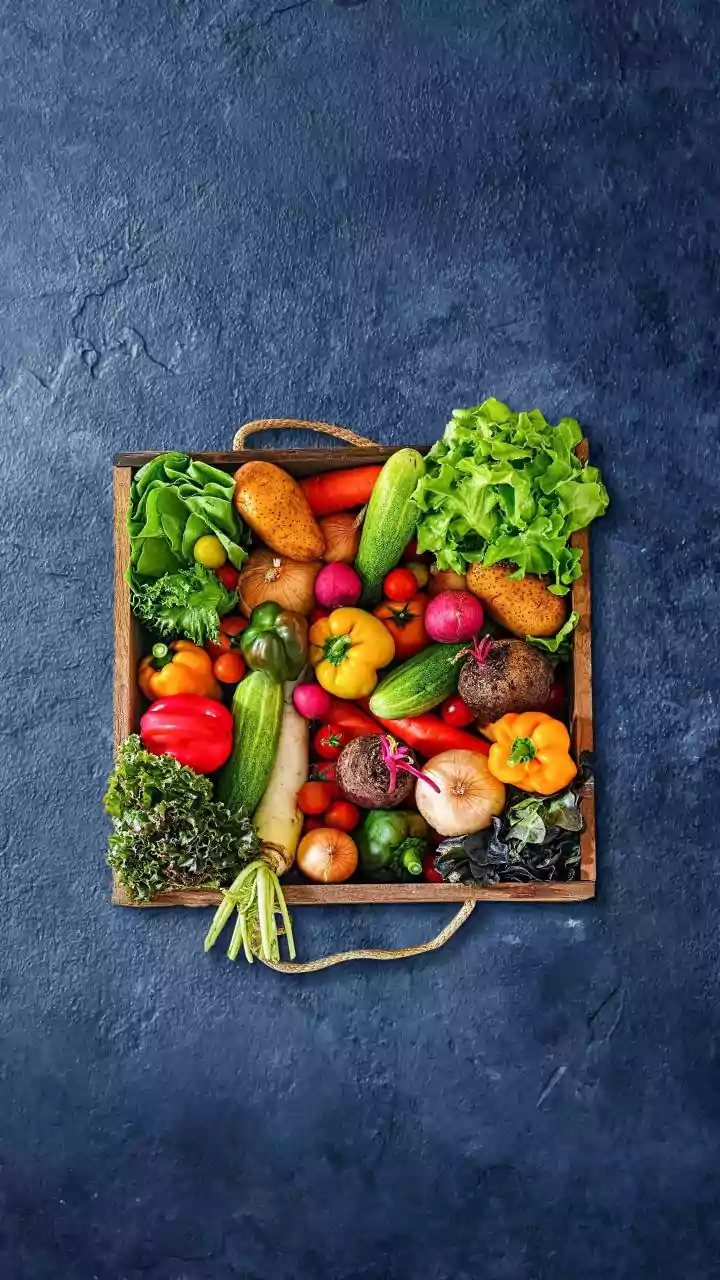
The greatest challenge—and success—of this movement is the ability to strike a balance. Nutritionists emphasise that Indian food doesn't need a complete overhaul. The inherent strength of the cuisine lies in its diversity of plant-based ingredients, from protein-rich lentils and legumes to a vast array of vegetables. The key is in the preparation. Simple techniques like steaming, light sautéing, and reducing the amount of ghee and cream can drastically improve the nutritional profile of a dish without erasing its identity. It’s about being mindful of portion sizes and ensuring that protein and vegetables get as much importance on the plate as carbohydrates.