




The Power Inside Rice Water
Before we get to temperature, it’s worth understanding why rice water is beneficial in the first place. The cloudy liquid left over from rinsing uncooked rice is not just starchy water. It contains a mild dose of nutrients that plants appreciate, including
nitrogen, phosphorus, and potassium. It also carries trace minerals and B vitamins. This nutrient-rich solution acts as a gentle, natural fertiliser. The starch itself serves as food for beneficial microbes in the soil. These microorganisms help improve soil structure and make nutrients more available to the plant’s roots, promoting healthier overall growth.
A Shock to the System: Why Temperature Matters
Plant roots are surprisingly sensitive. While they can handle gradual shifts in soil temperature, a sudden drenching with hot or even very warm water can cause thermal shock. This can damage or even 'cook' the delicate feeder roots responsible for absorbing water and nutrients. Applying hot water can disrupt the cellular structure of the roots and kill off the beneficial microorganisms that your soil ecosystem relies on. Excessively warm water also holds less dissolved oxygen, which roots need for respiration. In simple terms, hot water creates a stressful, low-oxygen environment that can lead to wilting, stunted growth, or even the death of the plant.
The Cool Advantage for Healthy Roots
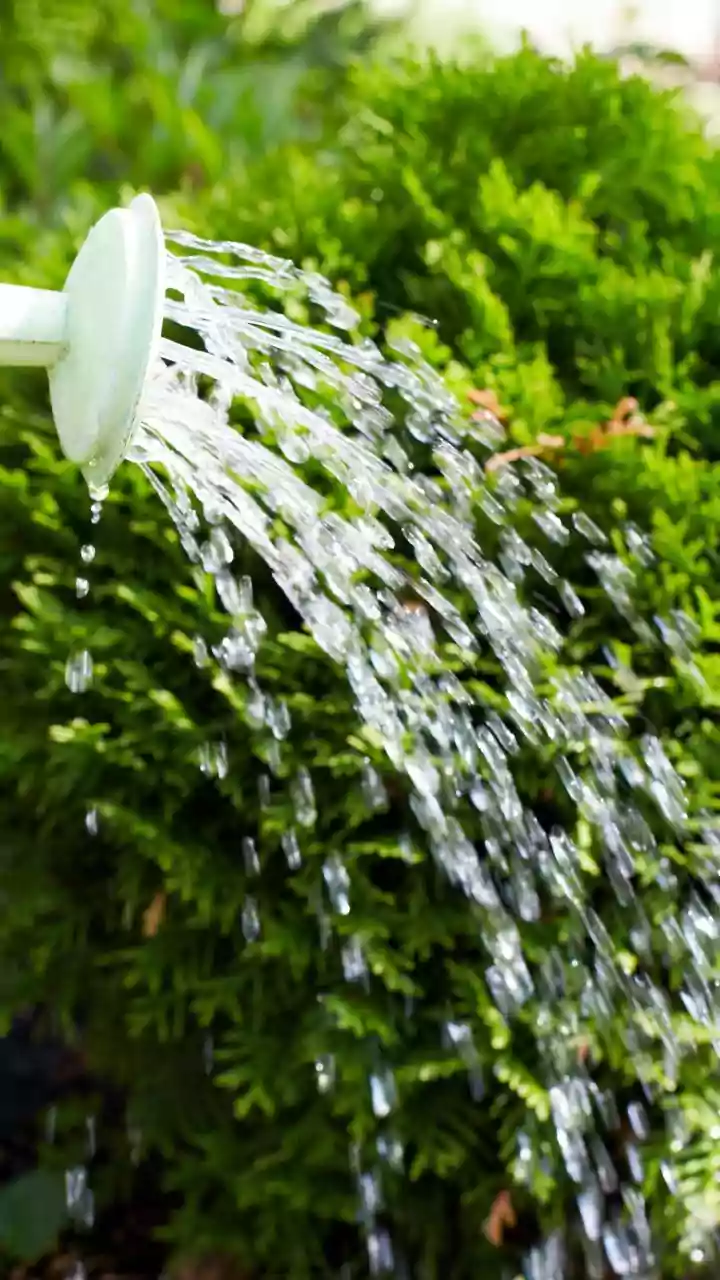
This brings us to the core of the issue: cooled versus warm rice water. While some studies suggest slightly warm water (around room temperature) might be absorbed efficiently, anything hot is a risk. Just-strained water from boiled rice can be scalding hot and cause the damage described above. Even the warm water from a thorough rinse can be problematic for sensitive plants. Letting the rice water cool to room temperature completely eliminates the risk of thermal shock. It ensures you are delivering the nutrients and beneficial starches without harming the delicate root system or the vital microbial life in the soil. Room-temperature water is generally considered the safest and most effective for watering most plants.
How to Use Rice Water Correctly
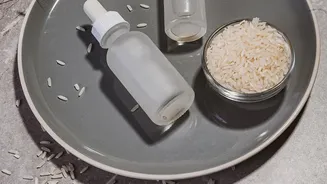
To make the most of this free fertiliser, follow a few simple steps. The best rice water comes from rinsing uncooked rice, as it avoids the risk of any salt you might add during cooking. Simply swirl your uncooked rice in a bowl of water until the water becomes cloudy, then strain the liquid into a jar. Always let the water cool to room temperature before using it. For a potent boost, you can ferment the rice water by letting it sit in a loosely covered jar for two to three days until it develops a slightly sour smell. This process increases the nutrient levels and population of beneficial bacteria. Whether fresh or fermented, it's best to dilute the rice water. A good rule of thumb is one part rice water to five parts regular water for fresh, and up to one part to ten for fermented, applying it about once every one to two weeks.