



The New Peak Season
Forget the old wisdom that monsoon means empty hotels and cheap tickets. Recent trends show a significant shift, with hospitality and travel companies reporting a surge in monsoon bookings. This is no longer the lean season; it's emerging as a powerful
travel driver in its own right. Reports from July 2026 show hotel bookings are up nearly 54% year-on-year, with some hotel chains seeing bookings pacing 10% ahead of the previous year. This surge is driven by travellers seeking nature-based experiences and shorter, more frequent getaways, turning destinations across the country into year-round hotspots.
Where Everyone is Going
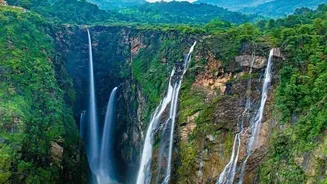
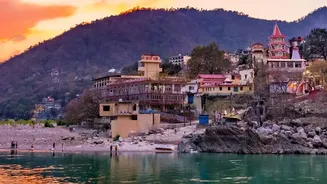
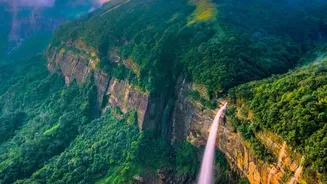
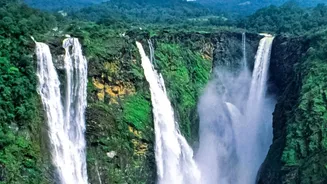
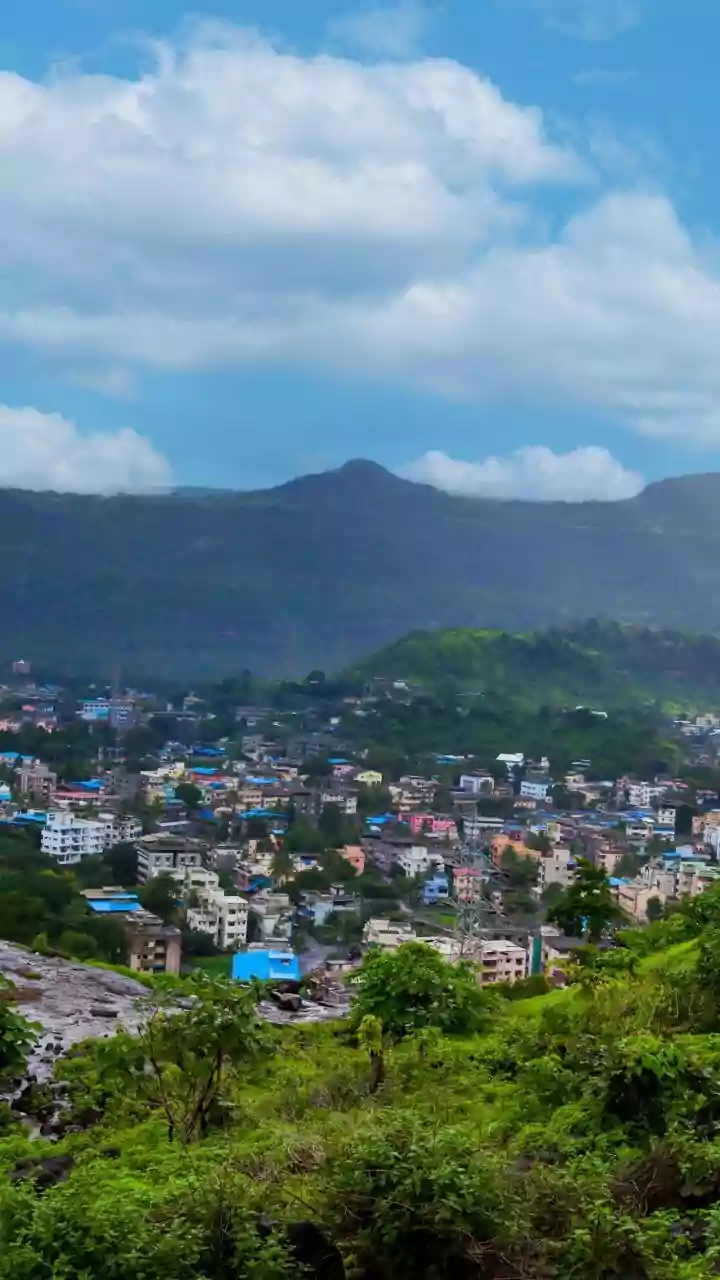
The demand is widespread, from the rain-washed Western Ghats to the hills in the north. Popular destinations like Goa, Kerala, and the Nilgiris continue to draw crowds. Goa, for instance, saw hotel bookings jump by over 110%. But the real story is the dramatic rise of new hotspots. Rishikesh and Mussoorie have seen a massive spike in interest, with search queries growing by over 200% and 160% respectively. The Northeast is also a major gainer, with Nagaland and Arunachal Pradesh seeing flight bookings increase by 62% and hotel bookings by over 90%. This experience-led travel means more people are heading to destinations known for wellness, spirituality, and outdoor activities.
The Battle for Tickets: Flights and Trains
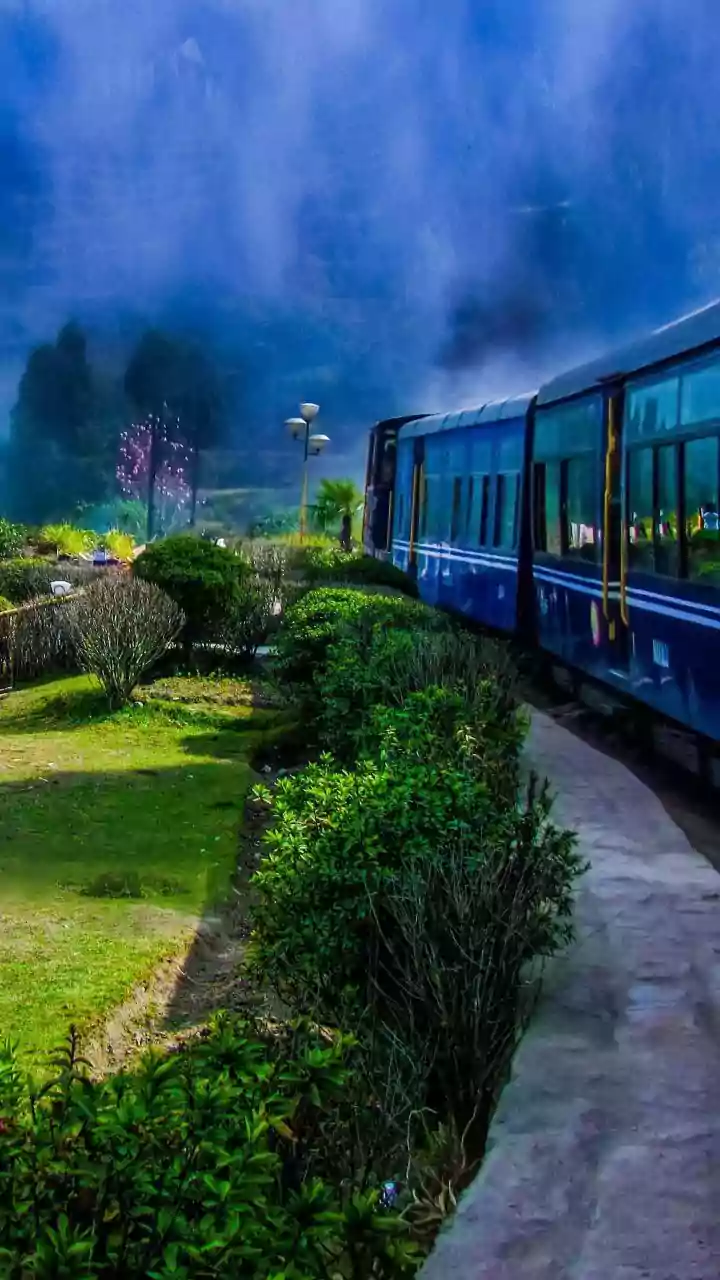
With more people travelling, securing transport has become a competitive sport. While monsoon traditionally offered lower fares, the increased demand is changing the game. For popular routes, especially during long weekends, waiting for last-minute deals is a risky strategy. To avoid weather-related disruptions, experts suggest booking morning flights, as thunderstorms and heavy rain are more common in the afternoon. Flexible fares that allow for low-cost changes are also a smart investment during these months. For train travellers, the demand is equally high, particularly with Gen Z and Millennial travellers. As always, planning well in advance is the only way to guarantee a confirmed seat on popular routes.
Hitting the Road: Bus and Car Travel
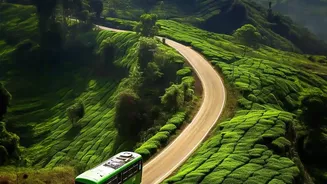
Road trips are a quintessential part of monsoon travel, and data shows this trend is accelerating. Bus bookings have surged by a staggering 140% year-on-year, especially for routes leading to hill stations and other nature-centric destinations. While driving through rain-soaked landscapes is scenic, it requires caution. It's crucial to check weather forecasts and road conditions before you start, as landslides and waterlogging can cause significant delays. Ensure your vehicle is serviced, and pack essentials like a first-aid kit, snacks, and a power bank. If you're travelling by bus, booking with reputable operators can ensure a safer and more reliable journey.
Your Monsoon Travel Checklist
The key to a successful monsoon trip in 2026 is preparation. First, book your main transport—flights or trains—at least 8-12 weeks in advance for better prices and assured availability, especially if travelling to popular spots. Next, secure your accommodation, as places in high-demand areas like Coorg, Munnar, Lonavala, and Udaipur are filling up fast. Pack smart: include waterproof bags for electronics, quick-drying clothes, a sturdy umbrella, and appropriate footwear. Finally, keep your itinerary flexible. Build in buffer days to account for potential travel delays caused by weather, a common reality of travelling during this beautiful but unpredictable season.