
What Exactly Is Sourdough Discard?
If you've ever maintained a sourdough starter, you know the routine: to keep the wild yeast culture healthy and active, you must regularly 'feed' it with fresh flour and water. Before each feeding, you remove a portion of the existing starter to keep it at a manageable
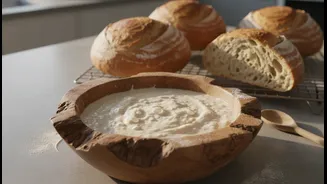
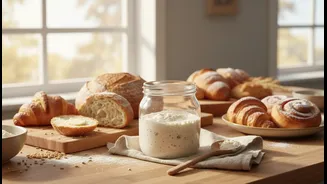
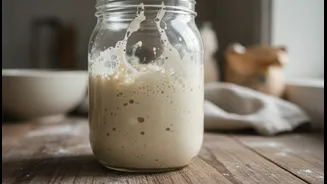
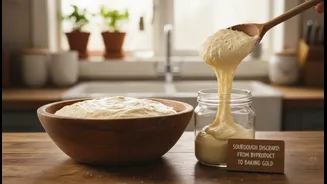
size. This unfed portion is what's known as sourdough discard. While the name implies it's waste, it's far from it. This mixture of flour, water, and fermented goodness is packed with flavour and potential. It has less leavening power than an active starter, but it brings a tangy complexity and other benefits to a wide range of recipes.
From Waste to Wonder Ingredient
The shift from tossing discard to treasuring it is rooted in the growing zero-waste movement in home kitchens. Bakers realised that throwing away this flavourful byproduct was unnecessary. Using discard not only reduces food waste but also adds a unique depth to dishes. The fermentation process in the discard breaks down phytic acid and gluten, which can make foods easier to digest. It's also a source of probiotics, vitamins, and minerals. The subtle, tangy flavour it imparts can enhance everything from sweet baked goods to savoury meals, much like buttermilk or crème fraîche.
Easy Starts: Pancakes, Waffles, and Biscuits
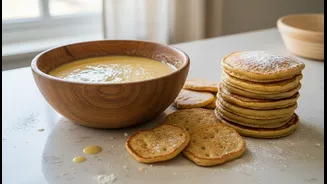
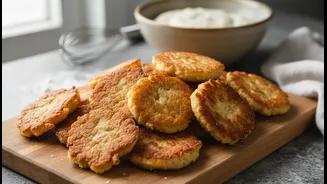
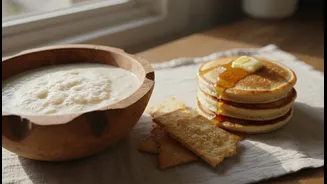
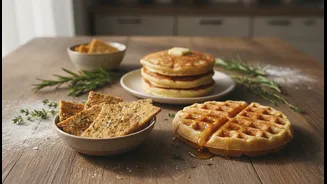
For anyone new to using discard, breakfast foods are a forgiving and delicious starting point. Sourdough discard pancakes and waffles are incredibly popular because the discard adds a light, airy texture and a pleasant tang that balances the sweetness of maple syrup. Simply substitute some of the flour and liquid in your favourite recipe with the discard. Biscuits are another simple way to use it, resulting in a tender, flavourful bake that pairs perfectly with butter and jam. These recipes often don't rely on the discard for rising, using baking soda or powder instead, which makes them nearly foolproof.
Savoury Sensations: Crackers and Pizza
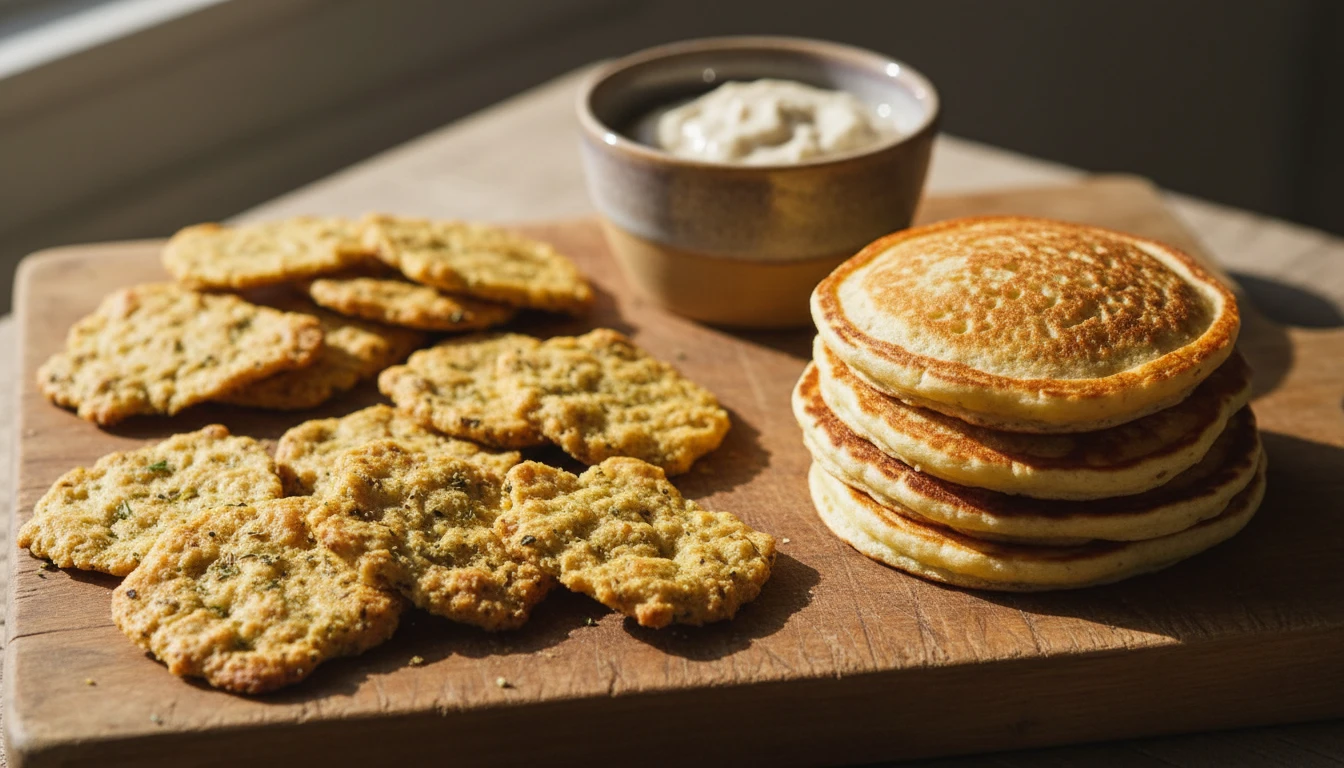
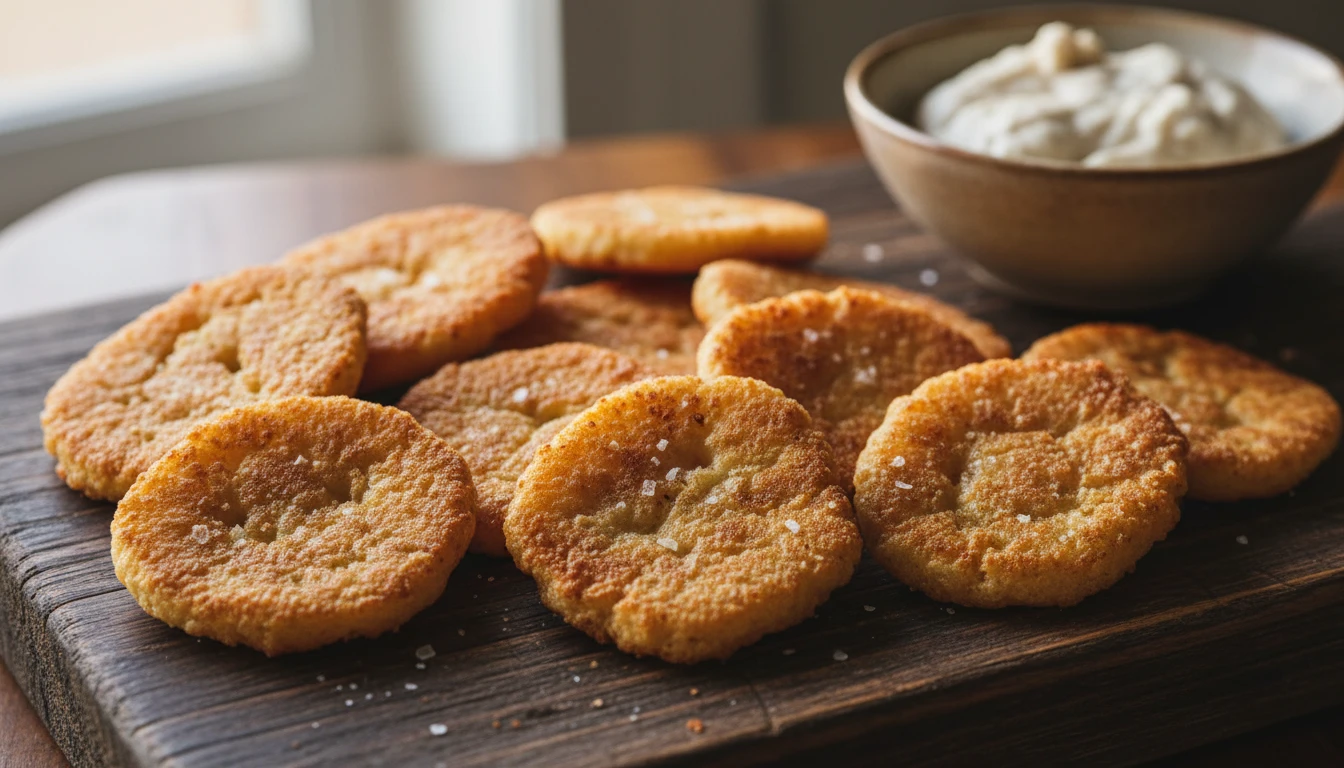
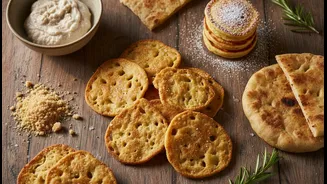
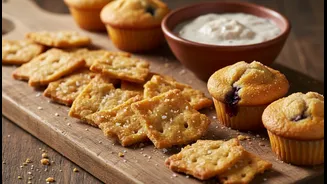
On the savoury side, sourdough discard truly shines. Homemade crackers are a classic discard recipe, turning a simple mix of discard, flour, oil, and seasonings into a crispy, addictive snack. The discard gives them a complex, almost cheesy flavour. Pizza crust is another fantastic application. Using discard in your pizza dough creates a crust that is both chewy and tender, with a sophisticated flavour that stands up to bold toppings. As discard ages in the fridge, its flavour becomes more pronounced and acidic, which is especially well-suited for these savoury bakes.
Creative Cooking Beyond the Basics
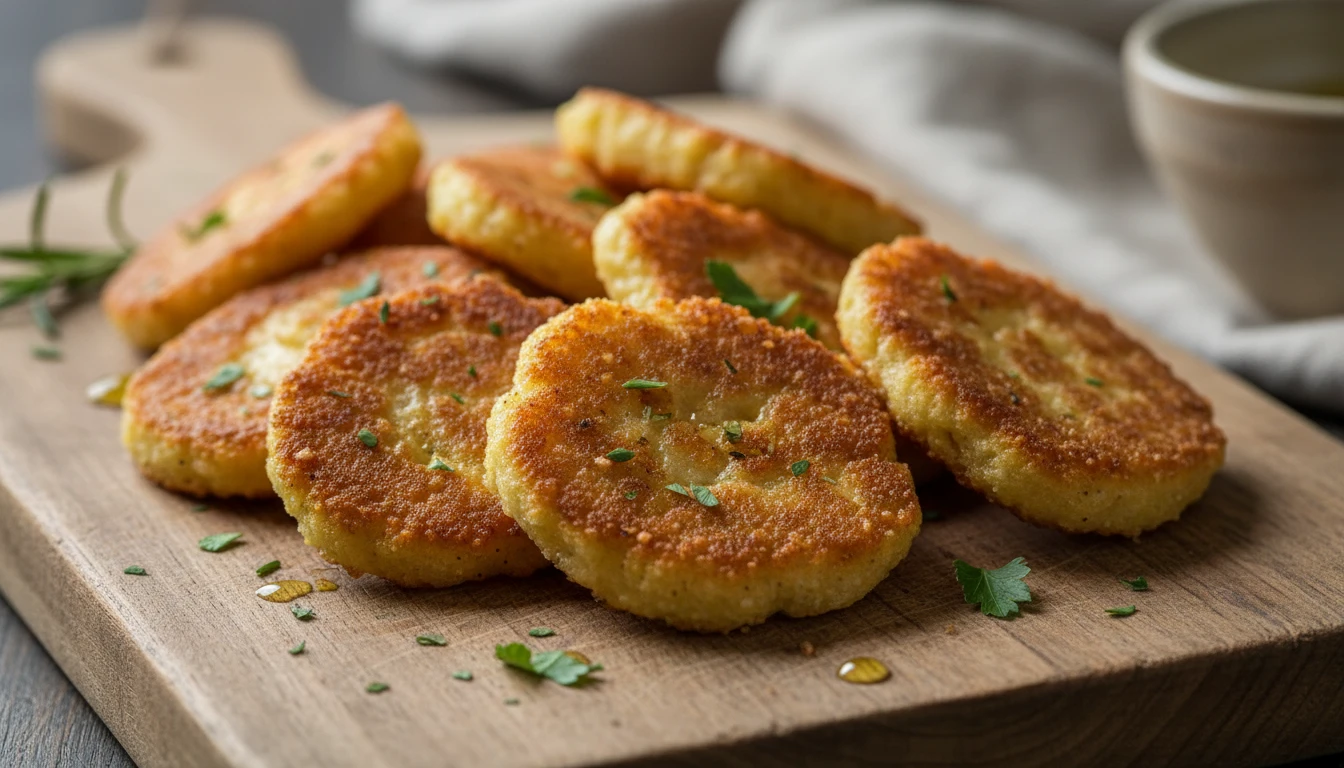
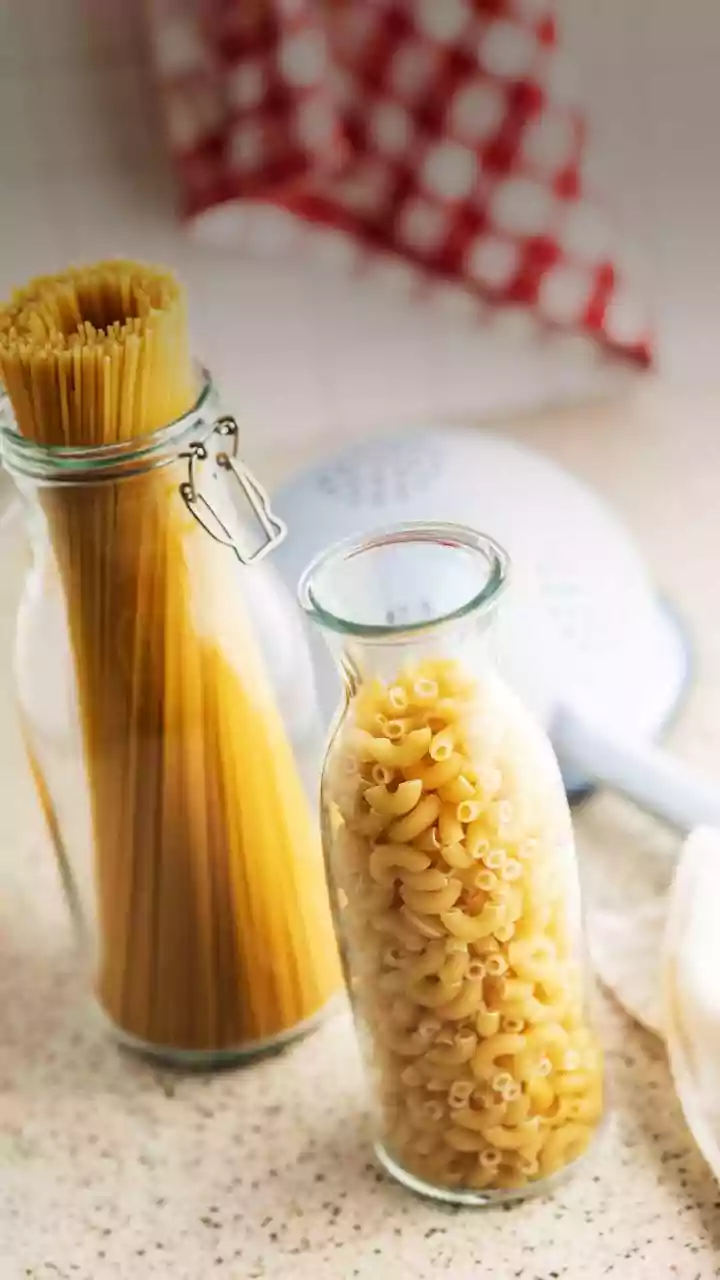
Once you're comfortable with the basics, a world of creative possibilities opens up. Sourdough discard can be incorporated into everything from rich chocolate chip cookies and fudgy brownies to moist banana bread and tangy lemon scones. It can be used to make chewy bagels and pretzels, giving them a creamy interior and a longer shelf life. Some inventive cooks even use it as a batter for frying onion rings or fish, or they dehydrate it into a powder to boost the nutrition and flavour of other dishes. From cakes and muffins to homemade pasta, the discard adds a secret weapon of flavour and texture.
How to Store and Use Your Discard
Storing discard is simple. Keep it in a sealed container in the refrigerator. You can keep adding fresh discard to the same jar for up to a week or two. A dark liquid called 'hooch' may form on top; this is just a sign your starter is hungry and can either be stirred in for a tangier flavour or poured off. When you're ready to bake, you can use the discard straight from the fridge. Most recipes will specify how much to use, but a general rule is to substitute equal parts of the flour and liquid in a recipe with your discard.