






Why Low-Impact Is a Game Changer
Low-impact exercise minimizes stress on your joints, particularly weight-bearing ones like your knees, hips, and ankles. Instead of jarring movements like running and jumping, it involves fluid motions where one foot often stays on the ground or your body
is supported by equipment or water. For individuals carrying more weight, this is crucial. The additional body mass can multiply the force that goes through your joints during high-impact activities, increasing the risk of pain and injury. By reducing this mechanical stress, low-impact exercise allows for greater consistency, which is more important for long-term health than workout intensity. It helps improve heart health, build endurance, and manage weight effectively without punishing your body.
Cardio That's Kind to Your Joints
Cardiovascular exercise is vital for heart health, and there are plenty of joint-friendly options. Swimming and water aerobics are top-tier choices because the water's buoyancy supports your body weight, virtually eliminating impact. On land, walking is one of the most accessible and effective forms of low-impact cardio. You can start at a comfortable pace and gradually increase speed or tackle gentle hills. Stationary or recumbent bikes are also excellent, as the seated position removes pressure from your lower-body joints while still providing a great workout. The elliptical machine is another gym favorite, designed specifically to mimic a running motion without the associated impact, making it a smooth and effective choice.
Building Strength Without the Strain
Strength training is essential for boosting metabolism and supporting your bones and joints. 'Gentle' doesn't mean ineffective; it means being smart about your movements. You can start with bodyweight exercises that use your own resistance. The sit-to-stand, where you slowly rise from a sturdy chair without using your hands, is a fantastic functional movement for building leg strength. Wall push-ups are a great way to build upper-body strength without dropping to the floor. As you progress, you can incorporate resistance bands or light dumbbells for moves like seated bicep curls, shoulder presses, and rows. The key is to focus on slow, controlled movements and perfect form rather than lifting heavy weights.
Creating a Balanced Weekly Routine
A sustainable plan balances activity with recovery. Aim for at least 150 minutes of moderate-intensity exercise per week, combined with two days of strength training. A simple schedule could involve alternating between cardio and strength days, with at least one full rest day. For example: two or three days of cardio like brisk walking or cycling for 30-40 minutes, and two days dedicated to full-body gentle strength training. Listen to your body—rest days are when your muscles rebuild and get stronger. You might also include 'active recovery' days, which could involve gentle stretching or a leisurely walk to keep your body moving without intense effort.
Tips for a Successful and Enjoyable Journey
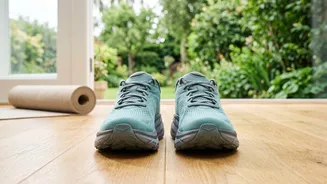
Setting yourself up for success goes beyond the exercises themselves. Always start with a 5-minute warm-up, like gentle arm circles and leg swings, to prepare your muscles and joints for movement. Follow every workout with a cool-down involving gentle stretching to improve flexibility and reduce stiffness. Proper footwear that provides good support is also non-negotiable to prevent foot and joint pain. Most importantly, focus on how exercise makes you feel. Celebrate non-scale victories like having more energy, sleeping better, or climbing stairs with greater ease. Finding joy in movement is the ultimate key to making it a lasting part of your life.