






The New Definition of Delicious
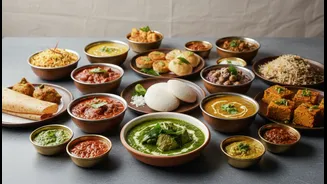
A shift is underway in India's restaurant scene. The old markers of fine dining—ingredients flown in from across the globe—are giving way to a newfound appreciation for what's local. Diners are increasingly seeking authentic experiences that tell a story
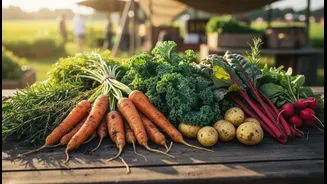
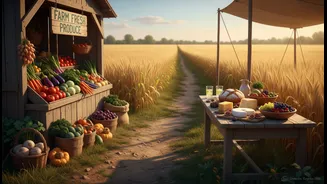
about the place they're in. This has sparked a "farm-to-table" movement that is redefining eating habits and strengthening the connection between people and the origins of their food. This trend goes beyond just food; it’s about creating a meal with a narrative, where knowing the source of an ingredient enhances its appeal.
From Hyper-Local to Your Plate
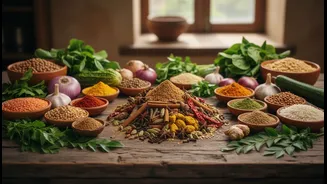
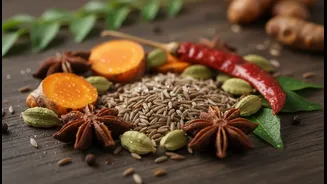
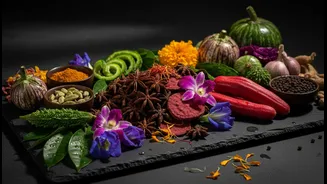
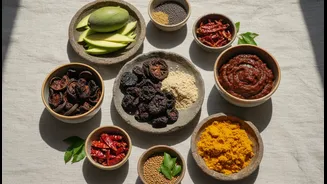
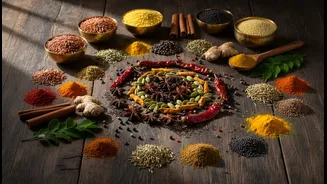
This movement is more than just a trend; it's a celebration of India's immense biodiversity. Chefs are at the forefront, moving beyond broad categories like 'North Indian' to explore hyper-regional cuisines from specific localities or communities. This might mean using thangnyer chillies from the Northeast or Bandel cheese, reimagining them in modern, genre-defying dishes. Restaurants like Masque in Mumbai and Naar in Kasauli are building menus around these indigenous ingredients, from foraged wild mushrooms in Himachal to seaweed from the Konkan coast. The result is a dining experience that feels both innovative and deeply rooted in tradition.
Pioneers of the Plate
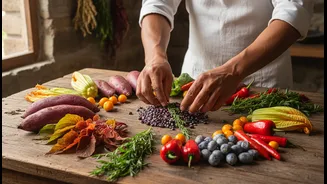
Visionary chefs are leading this charge. Chef Vanika Choudhary of Mumbai's Noon champions foraged and fermented ingredients, working with remote communities to preserve micro-cuisines. Her menus trace the stories of kitchens shaped by seasonal shifts, featuring ingredients that are on the verge of being forgotten. Similarly, Thomas Zacharias, founder of The Locavore, was inspired after discovering the wealth of indigenous ingredients just outside Mumbai, realizing that losing these flavours meant losing entire food traditions. These chefs are not just cooking; they are acting as culinary archivists, bringing forgotten tastes back to the mainstream.
Good for the Planet, Good for the Palate
The benefits of this culinary philosophy extend far beyond the dining table. Sourcing locally drastically reduces the carbon footprint associated with transporting ingredients across the globe. It fosters a more sustainable and ethical food system by supporting local farmers and producers, creating mutually beneficial relationships that bolster local economies. This direct link between the farm and the restaurant ensures unparalleled freshness and quality, as produce is harvested at its peak. The Godrej Food Trends Report noted a 60% increase in farm-to-table establishments in 2023, a clear indicator of the movement's growing momentum.
A Confident Culinary Identity
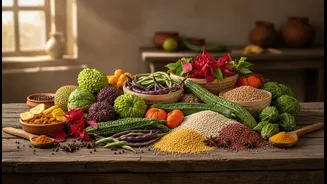
Ultimately, this shift represents a maturation of the Indian food scene. For years, Indian food was often simplified for international audiences, but chefs are now presenting regional flavours and traditional recipes with pride and confidence. Diners, in turn, are more curious and conscious, seeking authenticity and a connection to their food. This movement shows that the most exciting flavours don't need to be imported; they can be discovered in our own backyards, in the foraged greens of a forest or the heirloom grains of a nearby farm. It is a celebration of India's rich culinary heritage, proving that a true sense of place is the most valuable ingredient of all.