






The Problem with Processed Cereals
For decades, boxes of processed cereals have been marketed as the cornerstone of a quick, healthy breakfast. They are convenient, often fortified with vitamins, and taste appealingly sweet. However, this convenience often comes at a nutritional cost.
Most packaged cereals are made from refined grains like corn or wheat, which are stripped of their natural fibre and nutrients during processing. To make them palatable, large amounts of sugar are often added. This combination of refined carbohydrates and high sugar content leads to a rapid spike in blood sugar levels. While this gives you a quick burst of energy, it's followed by a sharp crash as your body releases insulin to manage the sugar overload, leaving you feeling tired, irritable, and hungry long before lunchtime.
Enter Millets: The Ancient Grain for Modern Energy
Long before processed foods filled our pantries, millets were a staple across India. Grains like ragi (finger millet), jowar (sorghum), and bajra (pearl millet) have been cultivated for thousands of years. These ancient grains are now making a comeback as people rediscover their incredible health benefits. Unlike refined cereals, millets are complex carbohydrates. This means they are packed with dietary fibre, which slows down digestion. This slow digestion is the key to their power. Instead of a rapid sugar rush, millets provide a steady, gradual release of glucose into the bloodstream, offering sustained energy that can keep you feeling full and focused all morning.
The Science of Sustained Fuel
The secret to sustained energy lies in a concept called the Glycemic Index (GI), which measures how quickly a food raises blood sugar levels. Processed cereals like cornflakes often have a high GI, sometimes over 80, causing that undesirable spike and crash. Millets, on the other hand, generally have a low to medium GI, often around 30% lower than refined rice or wheat. A meta-analysis of multiple studies found the average GI of millets to be around 52.7, compared to over 70 for milled rice and refined wheat. This lower GI means your body breaks down the carbohydrates slowly, providing a stable and prolonged energy supply without the dramatic hormonal response that leads to fatigue.
More Than Just Energy
The benefits of switching to millets extend far beyond stable energy. They are naturally gluten-free, making them an excellent choice for those with sensitivities. They are also a powerhouse of nutrients. Millets are richer in protein and essential minerals like iron, magnesium, and calcium compared to refined cereals. For example, ragi is an exceptional source of calcium, crucial for bone health. The high fibre content not only aids in sustained energy release but also promotes digestive health and increases feelings of fullness, which can help with weight management.
Easy Ways to Start Your Day with Millets
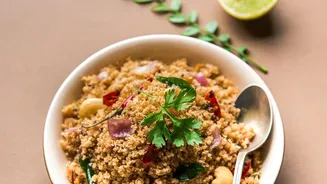
Incorporating millets into your breakfast routine is easier than you might think and doesn't require sacrificing flavour. Steaming is a fantastic way to prepare them, preserving nutrients while creating a light, fluffy texture. You can easily adapt traditional recipes. Try making upma with foxtail millet or little millet instead of semolina. Prepare soft and fluffy idlis using a batter made from kodo millet or little millet. A warm bowl of ragi porridge, sweetened with jaggery and flavoured with cardamom, is a comforting and nutritious start to the day. Even classic dishes like poha and khichdi can be made with cooked millets for a fibre-rich twist.