

What is a Complete Protein?
Think of protein as a structure built from 20 different building blocks called amino acids. Your body can produce 11 of these on its own, but nine—known as essential amino acids—must come from your diet. A "complete protein" is a food source that contains
all nine of these essential amino acids in the right proportions for your body to build and repair tissues, including muscle. While meat and dairy are naturally complete proteins, most plant-based foods are considered "incomplete" because they are low in one or more of these essential amino acids. This is where strategic food pairing becomes a game-changer for vegetarian lifters.
The Power of Complementary Proteins
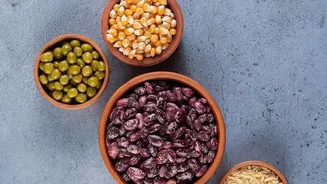
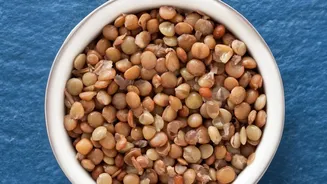
The classic combination of lentils and rice is a nutritional powerhouse for a scientific reason. Lentils are rich in the essential amino acid lysine but low in methionine. Grains like rice are the opposite; they are low in lysine but contain the sulfur-based amino acids, including methionine, that lentils lack. When you eat them together, their amino acid profiles complement each other, creating a complete protein source that provides all the necessary building blocks for muscle synthesis. This principle applies to many combinations, such as beans and toast, or chickpeas with whole-wheat pasta.
Do You Need to Combine at Every Meal?
For years, the conventional wisdom was that vegetarians had to meticulously combine complementary proteins at every single meal. However, modern nutritional science has debunked this myth. The body maintains a pool of free amino acids, so as long as you consume a variety of plant protein sources throughout the day, your body can pull what it needs to form complete proteins. That said, for athletes and lifters with higher protein demands for recovery and growth, combining complementary proteins within the same meal remains a highly effective and efficient strategy to ensure your muscles get exactly what they need, when they need it most.
Adding Seeds to Supercharge Your Meals
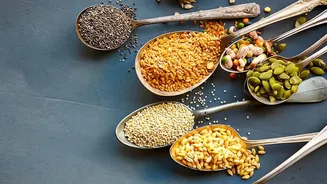
While lentils and rice form a fantastic base, adding seeds into the mix elevates the nutritional profile even further. Seeds like chia, flax, and hemp are nutritional powerhouses. Hemp seeds offer the highest protein content of the three and, like quinoa, are one of the few plant-based sources that contain all nine essential amino acids. Flax and chia seeds are packed with fiber, healthy omega-3 fatty acids, and important minerals. Sprinkling toasted sesame, pumpkin, or sunflower seeds onto your dal and rice not only adds a satisfying crunch but also contributes to your methionine intake, further balancing the amino acid profile. You can also blend them into smoothies or stir them into oatmeal for an easy protein boost.
Practical Combinations for Lifters
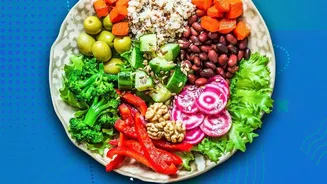
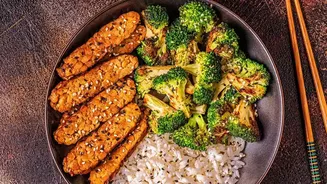
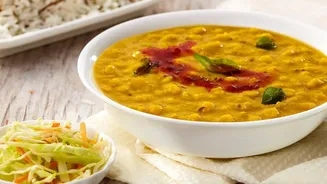
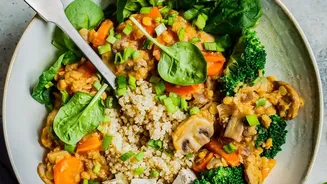
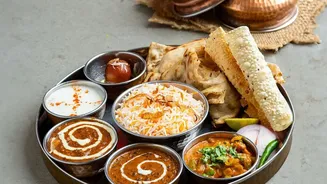
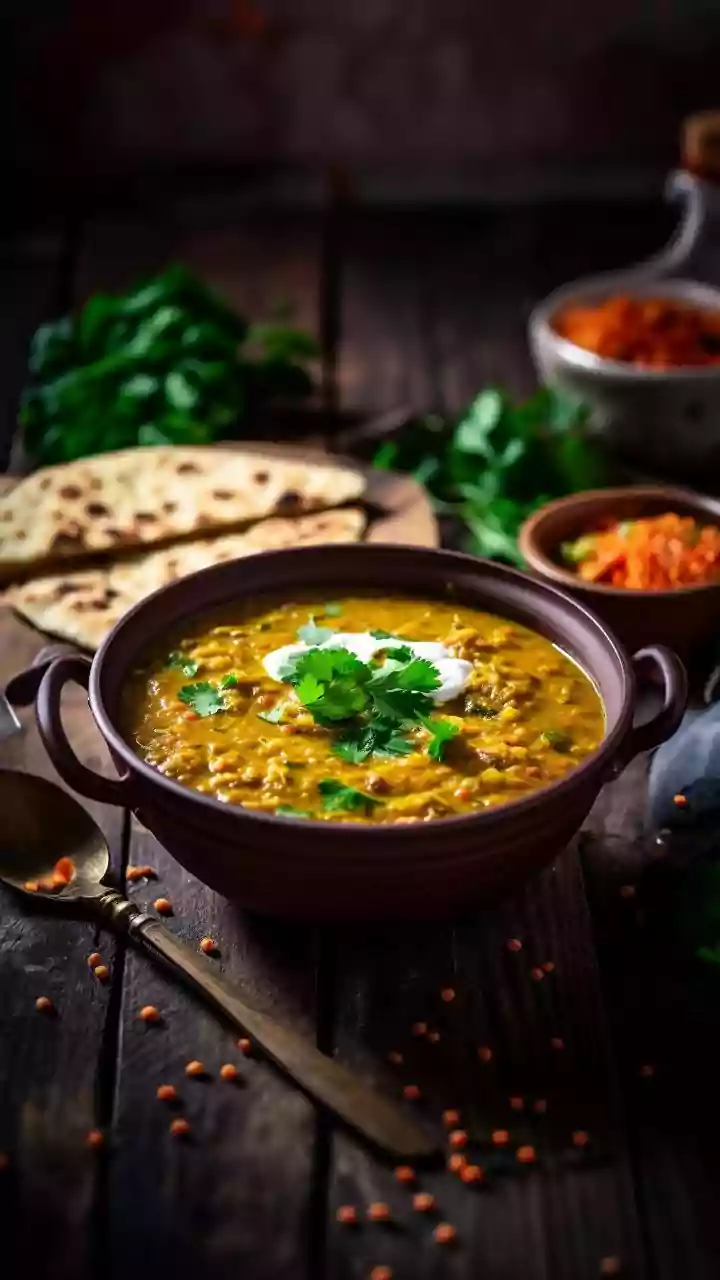
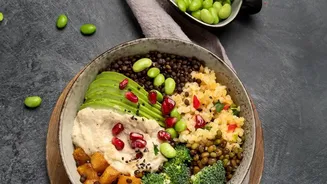
Putting this knowledge into practice is simple and delicious. A classic bowl of lentil dal served over brown or white rice is a perfect post-workout meal. You can prepare a large batch of lentil soup and pair it with a slice of whole-grain toast topped with avocado and hemp seeds. Another great option is a hearty khichdi, a one-pot dish of rice and lentils, which you can top with toasted seeds for extra texture and nutrients. For a quicker meal, a quinoa bowl with black beans, corn, and a sprinkle of chia seeds provides a complete protein profile along with sustained energy. The key is variety and consistency, ensuring your diet includes a mix of legumes, grains, nuts, and seeds daily.