




The Kharif Season’s Lifeline
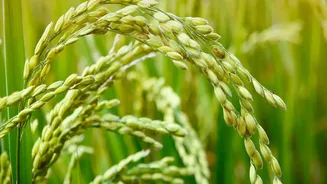
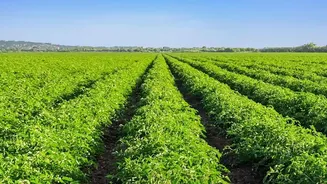
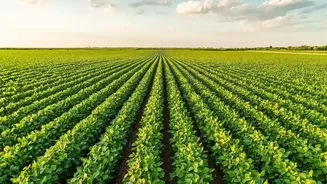
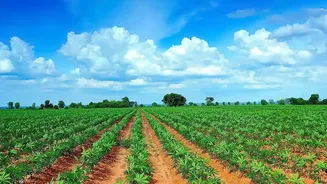
The Kharif season, which typically runs from June to October, is inextricably linked to the Southwest Monsoon. This period accounts for roughly 75% of India's annual rainfall and is vital for the cultivation of major staples like rice, maize, cotton,
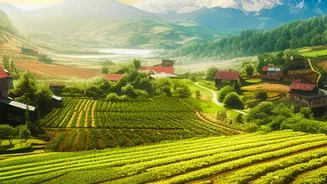
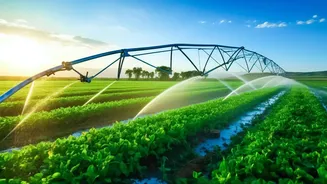
and soybean. Unlike the winter Rabi crops, which often rely more on irrigation, Kharif agriculture is predominantly rain-fed. This makes the monsoon's performance a direct determinant of farm yields, rural incomes, and the nation's food security. A good monsoon can spell prosperity, but an erratic one can bring significant economic hardship, making the daily patterns of rainfall a subject of intense focus for every farmer.
Timing Is Everything
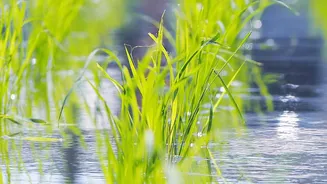
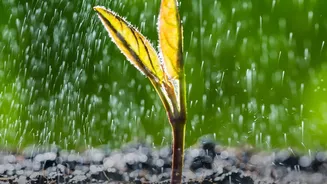
The total quantity of rain in a season can be misleading if its timing is off. Different crops have critical stages where water availability is non-negotiable. The first showers are crucial for softening the soil, preparing the land for ploughing, and ensuring uniform germination. Sowing seeds in a field that has received a deep, soaking rain ensures that all plants sprout and grow at the same pace, preventing stronger plants from overshadowing weaker ones. A delay in the monsoon's onset can postpone sowing, effectively shortening the growing season. Conversely, if rain arrives too late in the season, it can submerge young seedlings that haven't had time to establish themselves, leading to crop loss. For rice, the panicle initiation and flowering stages are highly sensitive; for cotton, it's the flowering and boll development period. A dry spell during these key phases can irreversibly damage yield potential.
The Peril of Uneven Distribution
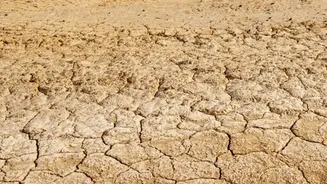
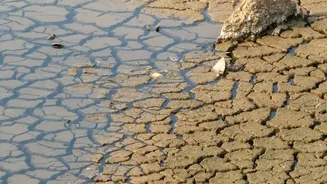
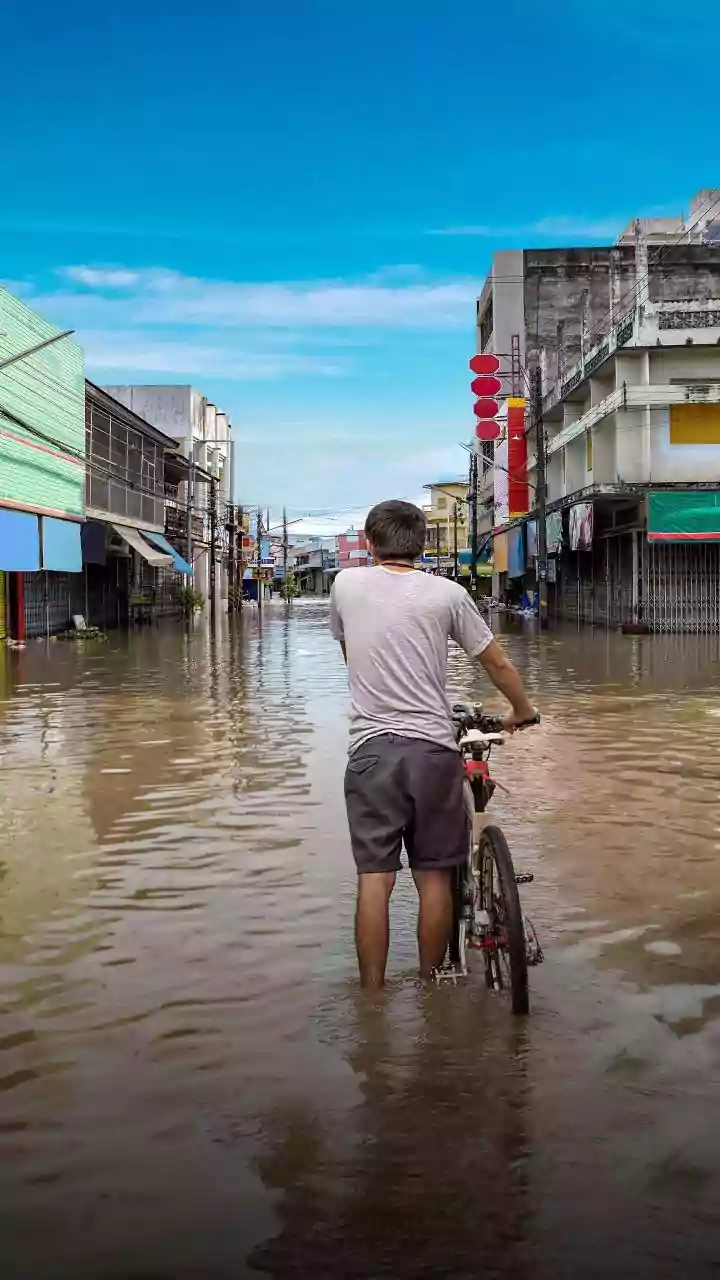
National or even state-level rainfall averages can mask dangerous realities on the ground. It is the district-level distribution that truly matters to a farmer. One or two days of extremely heavy rain cannot compensate for weeks of dry spells. These intense downpours often lead to flooding, waterlogging, and soil erosion, which are just as damaging as droughts. When rain is followed by a long, dry period, soil moisture declines rapidly, putting crops under severe stress. This year, for instance, has seen some districts experience floods while neighbouring ones struggle with rainfall deficiency. This spatial unevenness is a major concern because it means that even in a year with 'normal' overall rainfall, large agricultural belts can face crippling crop losses.
Impact on Farming Operations
The rhythm of the rain dictates the entire schedule of farming activities. A timely start to the monsoon allows for sowing to be completed on schedule. However, the distribution of rain also affects subsequent tasks. Weeding, for example, becomes a major challenge as the moisture that helps crops grow also encourages weeds to flourish. The application of fertilisers and pesticides is also dependent on rainfall patterns. Spraying before a heavy downpour can wash away the chemicals, rendering them ineffective and wasting a significant investment. Conversely, some treatments require a certain level of soil moisture to be properly absorbed by the plant. Farmers must therefore track not just the rain, but also the forecast, to make crucial decisions about when to apply these expensive inputs for maximum effect.
From Traditional Wisdom to Modern Tech
For centuries, farmers have relied on traditional knowledge to predict rain—observing cloud formations, wind direction, and even the behaviour of birds and insects. This ancestral wisdom is still practised, but it is now increasingly supplemented by modern technology. Many farmers now receive weather forecasts on their mobile phones through government initiatives and private services. These forecasts, sometimes powered by AI, can provide more granular, location-specific information about the probability of rain in the coming days and weeks. Simple tools like rain gauges, both manual and automatic, help farmers measure the exact amount of precipitation their fields have received, allowing for more scientific decision-making regarding irrigation and other water management practices.