


The Case for Weight: Accuracy Is King
There’s a reason professional bakers and chefs almost exclusively measure by weight: it’s infallibly accurate. Baking is a science, where the ratio of ingredients triggers chemical reactions that determine the final texture and structure of your goods.
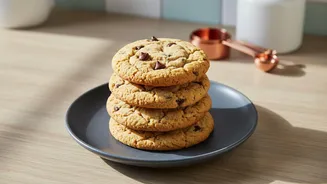
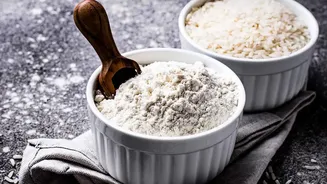
A gram will always be a gram, but a cup of flour can vary dramatically. Depending on whether the flour is sifted, settled, or packed into the measuring cup, its weight can differ by as much as 30 percent. That variance is often the culprit behind a cake that’s dense instead of fluffy, or cookies that spread into a single sheet. Using a digital scale eliminates this guesswork. Ingredients like flour, sugar, and cocoa powder have different densities, meaning a cup of each will have a different weight. By weighing ingredients, you guarantee the exact amount the recipe intended, ensuring your favourite cake turns out the same way every single time.
When Precision Is Everything
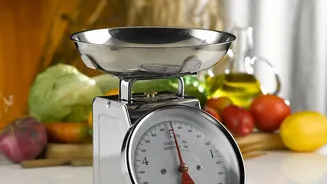
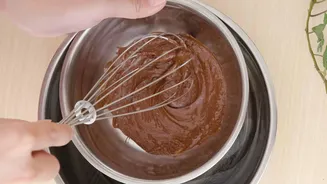
A kitchen scale is your best friend when baking. For recipes like bread, delicate pastries, macarons, and complex cakes, precision is not just recommended; it's essential for success. These recipes rely on a delicate balance of flour for structure, sugar for moisture and tenderness, and leaveners for lift. An extra 20 grams of flour can turn a tender crumb into a tough, dry one. A scale is also invaluable for tasks that require uniformity. Want perfectly even cake layers? Weigh the batter as you pour it into each pan. Striving for bakery-style cookies that are all the same size and bake evenly? Weigh each ball of dough. This level of control removes frustrating variables and builds confidence, making the baking process more enjoyable and the results more reliable. Furthermore, it simplifies cleanup and scaling recipes. You can measure multiple ingredients directly into one bowl, and doubling a recipe is a matter of simple multiplication rather than fiddling with fractions of cups.
The Freedom of Volume: When It’s Good Enough
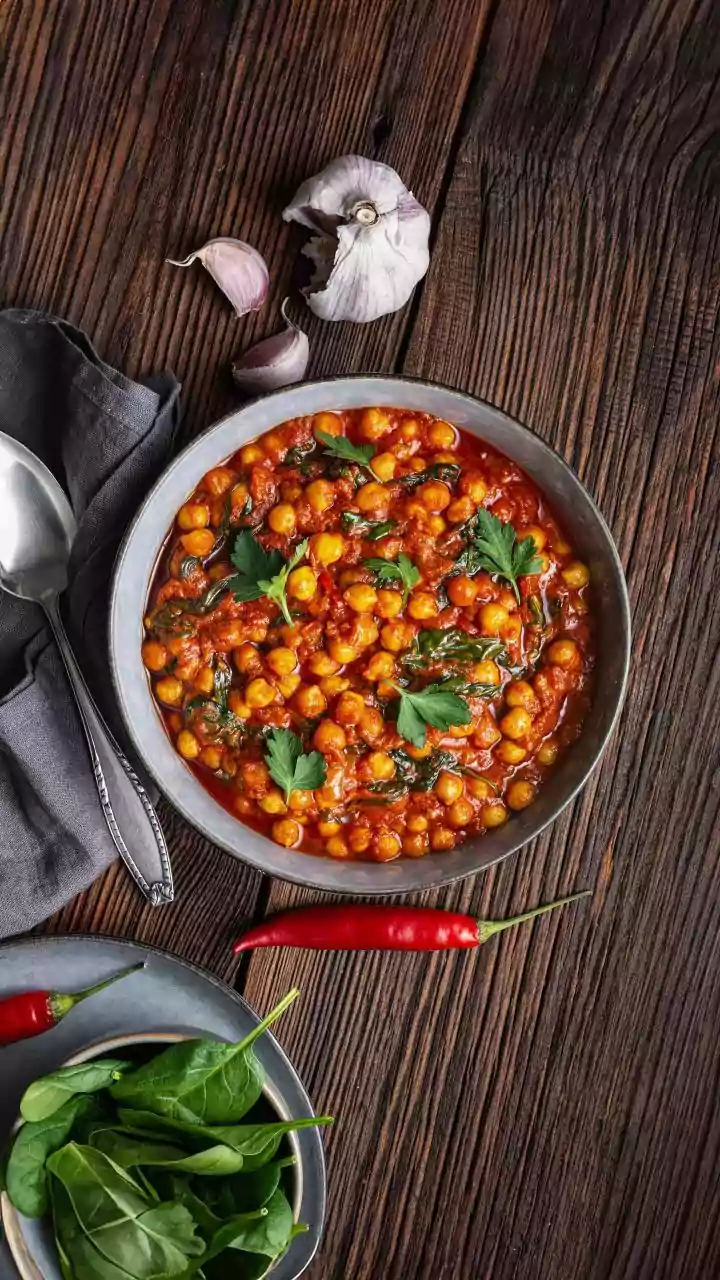
This isn’t to say you should throw out your measuring cups. For general cooking, measuring by volume is often perfectly fine—and sometimes, even preferable. When you're making a soup, a stew, a curry, or a stir-fry, you have more room for improvisation. These dishes are built on tasting and adjusting as you go. A little extra chopped onion or a splash more stock is unlikely to ruin the dish; it might even improve it. Volume measurements are also suitable for liquids like water, milk, and broth, as their density is relatively consistent—a cup of water weighs about the same every time. Small amounts of potent ingredients like salt, herbs, and spices, typically measured with teaspoons and tablespoons, are also forgiving. In these cases, the goal isn't strict chemical precision but building layers of flavour. Using measuring cups is quick, convenient, and perfectly suited for the fluid, adaptable nature of everyday cooking.
A Practical Guide: Weight or Volume?
So how do you decide? Follow this simple rule: if the structure and texture are critical and can't be easily adjusted during the process, use a scale. If you can taste and adjust as you go, volume is fine. For baking, always default to weights if the recipe provides them. If a recipe only lists cup measurements, be aware that results can vary. For cooking, feel free to use cups and spoons for vegetables, liquids, and spices. Investing in a digital kitchen scale is one of the single best steps a home cook can take to elevate their baking from inconsistent to consistently impressive. It's a small change in process that delivers a huge improvement in the final product, giving you the confidence to tackle any recipe.