





The New Digital Guidebook
The role of the traditional travel guide is being rapidly usurped by a new generation of digital creators. Indian travellers, particularly younger demographics, are increasingly turning to YouTube vloggers for authentic, on-the-ground perspectives that
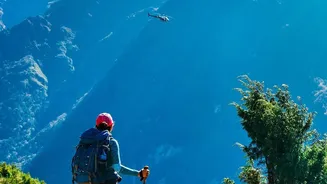
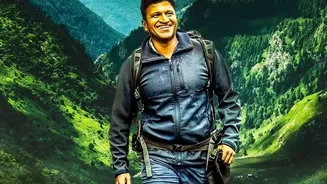
glossy brochures often miss. Creators like Varun Vagish (Mountain Trekker) and Tanya Khanijow have built massive followings by blending cinematic visuals with practical advice on everything from budgets to local transport. These influencers are seen as more relatable and trustworthy than official advertisements. Their vlogs offer a perceived authenticity and an emotional connection that strongly influences a viewer's desire to visit a destination, effectively making their channels the first stop in modern holiday planning.
Spotlighting India's Hidden Gems
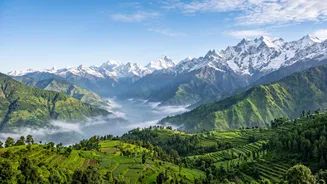
One of the most significant impacts of this trend is the decentralisation of tourism. While popular spots like Goa and Manali remain favourites, vloggers are venturing into lesser-known territories, bringing national attention to previously overlooked locales. A single viral video can put a remote village in Arunachal Pradesh or a quiet valley in Uttarakhand on the map, driving economic benefits directly to local communities. This content helps diversify tourist footfalls, encouraging travellers to explore beyond the conventional circuits. For instance, influencer-driven content was credited with a significant increase in tourist footfall in Spiti Valley. This phenomenon showcases the power of user-generated content in promoting niche and experiential tourism, benefiting homestays, local guides, and small businesses that were previously outside the mainstream tourism ecosystem.
The Economics of Influence
The Indian influencer marketing industry is a rapidly growing sector, projected to be worth thousands of crores by 2025. A slice of this market is reshaping tourism economics. Destination Marketing Organisations and even the Union Tourism Ministry now actively collaborate with influencers to promote initiatives like 'Dekho Apna Desh'. These partnerships, often non-commercial, leverage the creators' reach to showcase India's diversity. For local economies, the impact can be immediate. A vlogger's recommendation for a small cafe or a family-run guesthouse can lead to a surge in business. This shift reduces the perceived risks of travelling to new places and boosts tourist confidence, turning digital views into tangible revenue for local stakeholders.
The Challenge of Overtourism
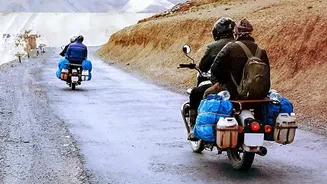
However, this new engine of tourism is not without its problems. The same viral attention that brings prosperity can also lead to overtourism, straining local infrastructure and ecosystems in fragile environments. Destinations like Leh-Ladakh have experienced environmental degradation due to a sudden influx of tourists inspired by social media. There are also concerns about authenticity, as paid partnerships can sometimes blur the line between a genuine recommendation and a commercial promotion, leading to skepticism among viewers. The fear of missing out (FOMO) amplified by social media can lead to impulsive travel decisions that disregard principles of sustainability. This has prompted local authorities in some areas to implement measures to manage the flow of tourists, highlighting the need for responsible content creation.